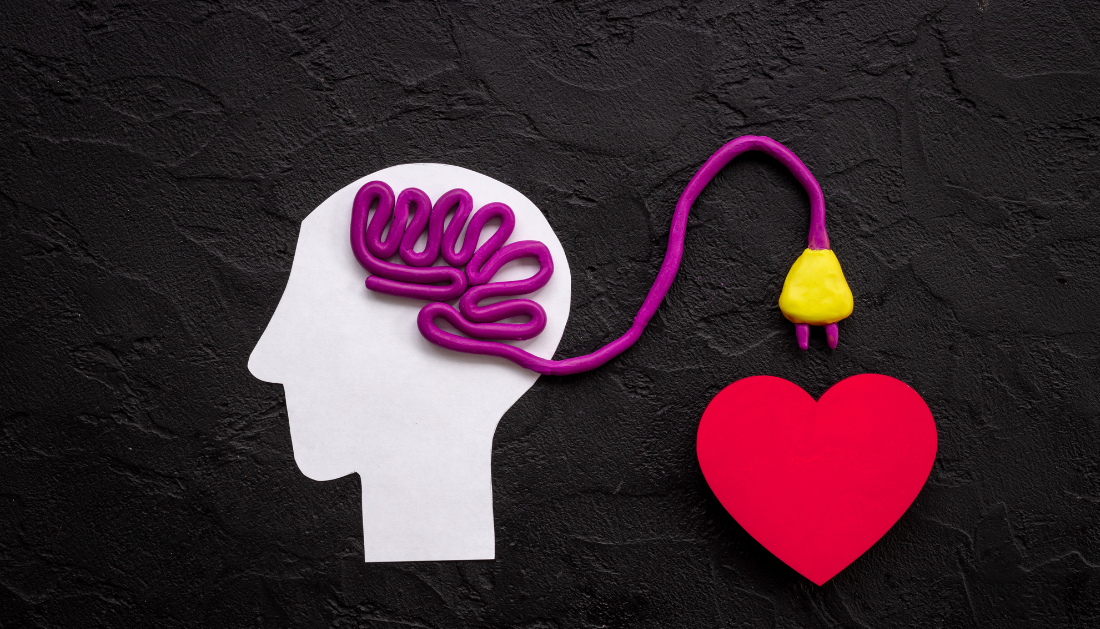
High blood pressure May Not Harm Brain Health in 90-Year-Olds

A groundbreaking study by the University of California, Irvine (UC Irvine) challenges long-held beliefs about the relationship between high blood pressure, diabetes, and brain health in individuals aged 90 and older. Traditionally, these conditions are associated with cognitive decline and brain blood vessel damage in younger populations. However, findings published in Alzheimer’s & Dementia: The Journal of the Alzheimer’s Association reveal that these associations may not hold true in advanced age.
Lead researcher Dr. Ravi Rajmohan, clinical instructor of neurology at UC Irvine, explains that while high blood pressure and diabetes are well-known contributors to brain damage in younger adults, their effects may diminish—or even shift—in older populations. Surprisingly, the study also indicates that certain blood pressure-lowering medications might offer protective benefits for the brain in people over 90.
The research analyzed data from 267 participants enrolled in the National Institute on Aging’s 90+ Study, one of the largest investigations into brain health in the oldest-old demographic. Researchers used statistical models adjusted for age, sex, and education to examine connections between vascular risk factors, brain health, and medication use. They found no direct link between high blood pressure or diabetes and brain damage in this age group.
Interestingly, medications such as diuretics were associated with a lower likelihood of atherosclerosis, while beta blockers and vasodilators were linked to a reduced risk of cerebral amyloid angiopathy, a condition marked by protein buildup in brain blood vessels.
Dr. Rajmohan suggests that these results could stem from effective treatment protocols or survival bias, as individuals with untreated severe conditions might not live into their 90s. He emphasizes the need for further research to understand whether blood pressure medications directly reduce brain damage risk or if other factors are at play.
These findings could pave the way for more personalized treatments and guidelines for managing blood pressure in older adults, potentially improving their cognitive health and quality of life.
This study challenges conventional assumptions and highlights the complex relationship between vascular health, aging, and brain resilience in the oldest populations.
Register for the International Brain Health Symposium 2025 for more insights on brain health.
More Information: Rajmohan, R., et al. (2025) Vascular risk factors and cerebrovascular pathologic changes on autopsy: The 90+ Study. Alzheimer’s & Dementia. doi.org/10.1002/alz.14454.

 Gamma Oscillations Restored in Alzheimer’s Disease Mice
Key takeaways Researchers restored parvalbumin (PV).
 Coffee Consumption Linked to Lower Recurrent VTE Risk
Key points at a glance Study.
 Body Roundness Index Linked to Higher Heart Attack Risk
Key findings at a glance Study.
 Maternal Diet Fails to Reduce Infant Egg and Peanut Allergy
Key Points A large Australian randomized.
 Visual Impairment Linked to Higher Dementia Risk
Key findings at a glance A.
 Long-Acting HIV Treatment May Help Drug-Resistant Cases
Key Takeaways A UCSF study found.
 Night Shift Work Alters Key Circadian Gene Expression
A recent study published in Frontiers.
 Tirzepatide Weight Loss: Fat Mass and Muscle Findings
Key points Tirzepatide was associated with.
 Coffee and Gut Microbiome: Brewing and Metabolic Effects
Key Points Coffee contains caffeine, chlorogenic.
 Low-Dose Radiation Therapy Shows Promise in Early Knee OA
Key Points Low-dose radiation therapy was.
Leave a Comment