
Can a Mindset Shift Reduce Loneliness

A groundbreaking study published in Nature Communications reveals that our perception of being alone plays a crucial role in determining whether solitude feels peaceful or lonely. Researchers found that negative portrayals of being alone—especially in media and public health campaigns—reinforce loneliness, while a positive mindset can reduce it.
With global loneliness levels reaching epidemic proportions, experts suggest that reframing alone time as beneficial rather than harmful could be a cost-effective way to improve mental health.
The study conducted controlled experiments and experience-sampling research across nine countries to explore how individual beliefs about solitude impact loneliness risk.
Key Findings:
“For people who already feel lonely, changing how they think about alone time could be a powerful mental health intervention.”
The study suggests that instead of warning against loneliness, public health campaigns should also highlight the benefits of solitude, such as:
“Fostering positive beliefs about alone time may offer a cost-effective, scalable way to reduce loneliness—particularly for those at greatest risk.”
As loneliness becomes a global health crisis, this study challenges the negative stigma around solitude and suggests that changing how we think about being alone may be just as important as social connection in combating loneliness.
More Information: Rodriguez, M., Schertz, K.E. & Kross, E. How people think about being alone shapes their experience of loneliness. Nat Commun 16, 1594 (2025), DOI – 10.1038/s41467-025-56764-3, https://www.nature.com/articles/s41467-025-56764-3

 Brain-Computer Interface Uses EEG in Unresponsive Patients
Key findings at a glance Mind-controlled.
 Gamma Oscillations Restored in Alzheimer’s Disease Mice
Key takeaways Researchers restored parvalbumin (PV).
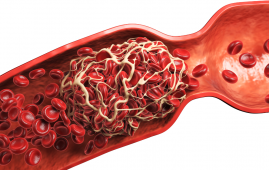 Coffee Consumption Linked to Lower Recurrent VTE Risk
Key points at a glance Study.
 Visual Impairment Linked to Higher Dementia Risk
Key findings at a glance A.
 Epilepsy Drugs May Interact With Hormonal Contraceptives
Key points: Nearly one-third of people.
 Night Shift Work Alters Key Circadian Gene Expression
A recent study published in Frontiers.
 Tirzepatide Weight Loss: Fat Mass and Muscle Findings
Key points Tirzepatide was associated with.
 Dietary Polyphenol Intake Associated With Lower MCI Odds
Key Points Older adults without mild.
 Pink Noise Boosts Brain Waste Clearance During Sleep
Key Points Pink noise delivered during.
 Smoking and Loneliness Linked in Large European Study
Key points: A Europe-wide study of.
Leave a Comment