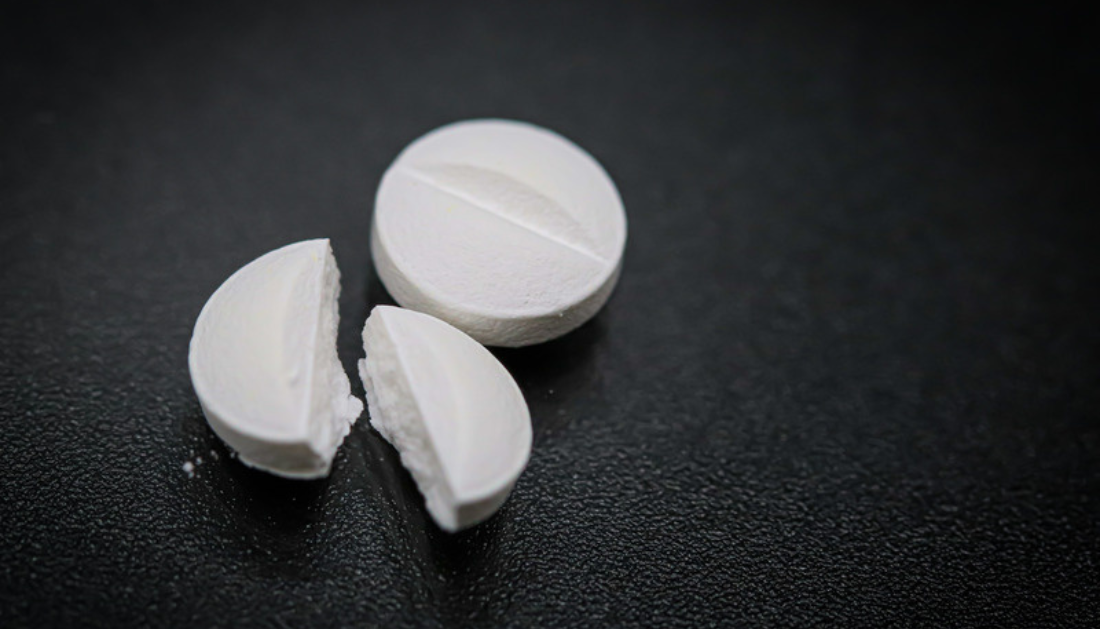
Prenatal Paracetamol Exposure May Affect Ovarian Reserve

Prenatal paracetamol exposure may be associated with measurable differences in reproductive development, according to findings from the Copenhagen Analgesic Study (COPANA), published in Human Reproduction Open.
Researchers followed pregnant women and assessed 302 of their daughters at three months of age. They compared girls exposed to paracetamol during fetal life with those without reported exposure.
Among exposed infants, researchers observed an average 40% smaller ovarian volume, 13% smaller uterine volume, and 23% fewer ovarian follicles. Girls exposed during early fetal life also had lower concentrations of anti-Müllerian hormone (AMH), an established marker of ovarian reserve.
The findings address an important question in reproductive medicine and gynecology because the ovarian follicle pool forms during fetal development and gradually declines throughout life.
The findings align with previous animal research suggesting that paracetamol exposure during pregnancy could interfere with fetal ovarian development and follicle formation. However, researchers emphasize that the human study only identified associations.
The team also examined 1,210 girls from an independent Copenhagen Mother-Child Cohort. In this group, prenatal paracetamol exposure was associated with smaller uteruses at puberty and smaller ovaries during adolescence, providing additional support for the observed relationship.
The study population generally received relatively low paracetamol exposure, and none of the mothers exceeded the recommended maximum daily dose of 4,000 mg.
The researchers caution against interpreting the findings as evidence that paracetamol causes infertility or earlier menopause. The study did not assess reproductive outcomes in adulthood, and researchers need long-term follow-up through reproductive age and menopause to determine whether the observed anatomical and hormonal differences have clinical significance.
For HCPs and nurses, the findings reinforce the importance of individualized medication counseling during pregnancy. Current European and UK guidance continues to recommend paracetamol as a first-choice treatment for pain and fever during pregnancy when clinically indicated. Untreated fever or severe pain can also present risks to the mother and fetus.
Non-pharmacological measures, including rest, hydration, physiotherapy, exercise, and heat therapy, may help manage some conditions when clinically appropriate.
Further research should clarify whether prenatal paracetamol exposure, ovarian reserve, fertility, and reproductive aging are causally connected.

 AI in Women’s Health May Reinforce Gender Bias, Study Warns
Key Takeaways Researchers caution that AI.
 Early Menopause Risk Higher in Rural Women: New Study
Key Points Early menopause affects more.
 Parkinson’s Disease and Alzheimer’s Pathology in Women
Key Takeaways Women with Parkinson’s disease.
 Estradiol Fluctuations May Influence Daily Physical Activity
Key Summary A new study published.
 HPV Vaccination Supports Cervical Cancer Prevention Efforts
Key Points Summary HPV vaccination is.
 Women’s Healthcare Advances Through FemTech
Key Summary FemTech has grown from.
 Pregnancy Nausea May Signal Anxiety and Depression Risk
Key Summary A prospective study published.
 Vitamin D3 in Pregnancy May Improve Child Memory
Key Takeaways High-dose prenatal vitamin D3.
 PCOS Renamed to PMOS to Reflect Broader Health Risks
Key Points The World Health Organization.
 Breast Cancer Gene Panel Predicts Chemotherapy Response
Key Highlights Researchers at The University.
Leave a Comment