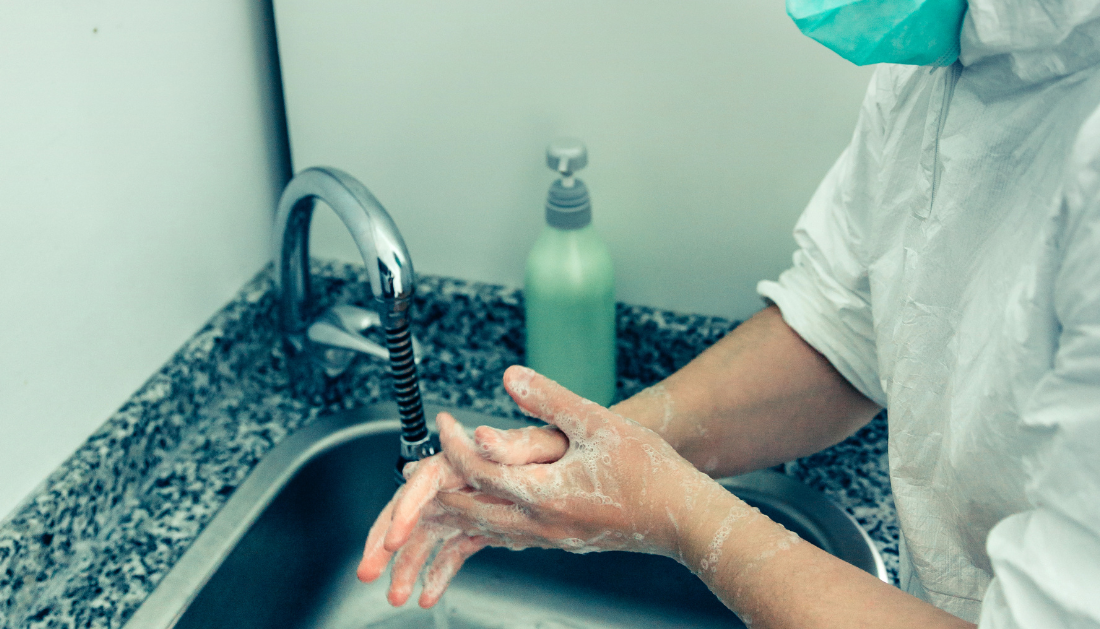
Antibiotic-Resistant Bacteria Found in Hospital Drains

A recent study conducted by researchers from the University of the Balearic Islands in Spain sheds light on the hidden dangers of hospital sink drains. Despite rigorous cleaning protocols, dangerous bacteria, including antibiotic-resistant strains, continue to thrive in hospital drains. These findings raise concerns about the potential for new healthcare-associated infections (HAIs) and antibiotic resistance, which pose a growing problem worldwide.
The Study: Examining Bacterial Diversity in Hospital Drains
Researchers discover significant bacterial presence in sinks
In the study, published in Frontiers in Microbiology, the team focused on drains in a modern university hospital on the island of Majorca. The hospital, which opened in 2001, follows stringent cleaning protocols, including regular disinfection with bleach and pressurized steam. Yet, the researchers found persistent bacterial diversity in the drains over the course of one year. They sampled bacteria from six drains in five wards, including intensive care, hematology, and microbiology, and identified 67 different species from the samples.
Dangerous Pathogens and Antibiotic Resistance
Hospital drains serve as a breeding ground for antibiotic-resistant bacteria
The study revealed the presence of several notorious hospital-associated pathogens, including Pseudomonas aeruginosa, Klebsiella pneumoniae, and Staphylococcus aureus. Particularly concerning was the discovery of P. aeruginosa, which is resistant to multiple antibiotics, including cephalosporins and, in some strains, even carbapenems. These bacteria are part of the ESKAPE group, known for their resistance to multiple antibiotics and their potential to cause severe infections.
Implications for Infection Control and Patient Safety
Researchers call for improved infection control measures
While the hospital’s cleaning protocols were considered state-of-the-art, the study highlights the need for more comprehensive infection control strategies. The team emphasizes the importance of studying the sources of these bacteria and their transmission routes to better prevent the spread of infections, particularly among immunocompromised patients.
Conclusion
Hospital sink drains: an overlooked threat
This study underlines the hidden dangers lurking in hospital sink drains and the importance of ensuring stringent infection control practices, especially in high-risk areas like intensive care units. The researchers stress that controlling bacterial growth in drains and preventing the spread of antibiotic-resistant pathogens should be a top priority for hospitals worldwide.
More Information: Yearlong analysis of bacterial diversity in hospital sink drains: culturomics, antibiotic resistance and implications for infection control, Frontiers in Microbiology (2025). DOI: 10.3389/fmicb.2024.1501170

 Long-Acting HIV Treatment May Help Drug-Resistant Cases
Key Takeaways A UCSF study found.
 Night Shift Work Alters Key Circadian Gene Expression
A recent study published in Frontiers.
 Tirzepatide Weight Loss: Fat Mass and Muscle Findings
Key points Tirzepatide was associated with.
 Coffee and Gut Microbiome: Brewing and Metabolic Effects
Key Points Coffee contains caffeine, chlorogenic.
 Low-Dose Radiation Therapy Shows Promise in Early Knee OA
Key Points Low-dose radiation therapy was.
 Oral Hormone Replacement Therapy Raises Blood Clot Risk
Key Points Oral hormone replacement therapy.
 GLP-1 Health Information: Quality, Completeness, & Engagement
Key Points A study assessed 128.
 DNA Damage Response May Drive Biological Aging
Key Points Chronic DNA damage response.
 Dietary Polyphenol Intake Associated With Lower MCI Odds
Key Points Older adults without mild.
 Maternal Diet Fails to Reduce Infant Egg and Peanut Allergy
Key Points A large Australian randomized.
Leave a Comment