
Canada Sees 17.6% Rise in Alcohol Deaths Amid Pandemic

A new study published in the Canadian Medical Association Journal has revealed a sharp rise in alcohol-related deaths and hospitalizations in Canada during the COVID-19 pandemic. From April 2020 to December 2022, alcohol-related mortality rose by 17.6%, with 1,600 excess deaths, while hospital admissions increased by 8.1%—a total of 7,100 additional hospitalizations.
Before the pandemic, alcohol consumption was already a significant public health concern in Canada, contributing to 18,000 deaths and 100,000 hospitalizations annually. However, COVID-19 exacerbated these issues due to:
✔ Increased stress, isolation, and disrupted routines
✔ A surge in alcohol sales, marking the highest increase in a decade
✔ More at-home drinking due to lockdowns
✔ Reduced healthcare access for alcohol use disorders
While it was clear that alcohol use spiked during the pandemic, its direct impact on mortality and hospitalizations remained unknown—until now.
Researchers analyzed national health records from 2016-2022, using statistical models to compare expected vs. observed alcohol-related death and hospitalizations during the pandemic.
“The COVID-19 pandemic created the perfect storm for increased alcohol consumption,” researchers noted.
Experts warn that these findings highlight long-term public health risks, urging policymakers to:
The study confirms that COVID-19 had profound and lasting effects on alcohol consumption and its health consequences. With alcohol-related death and hospitalizations still elevated, public health experts stress the need for urgent intervention to reduce harm and support those affected.
More Information: Shi, Y., Macrae, K., Groh, de, Thompson, W., & Stockwell, T. (2025). Mortality and hospitalizations fully attributable to alcohol use before versus during the COVID-19 pandemic in Canada. Canadian Medical Association Journal, 197, 4. doi:10.1503/cmaj.241146

 Brain-Computer Interface Uses EEG in Unresponsive Patients
Key findings at a glance Mind-controlled.
 Gamma Oscillations Restored in Alzheimer’s Disease Mice
Key takeaways Researchers restored parvalbumin (PV).
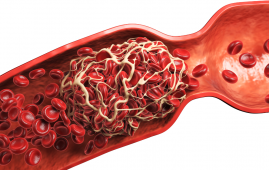 Coffee Consumption Linked to Lower Recurrent VTE Risk
Key points at a glance Study.
 Body Roundness Index Linked to Higher Heart Attack Risk
Key findings at a glance Study.
 Maternal Diet Fails to Reduce Infant Egg and Peanut Allergy
Key Points A large Australian randomized.
 Visual Impairment Linked to Higher Dementia Risk
Key findings at a glance A.
 Long-Acting HIV Treatment May Help Drug-Resistant Cases
Key Takeaways A UCSF study found.
 Night Shift Work Alters Key Circadian Gene Expression
A recent study published in Frontiers.
 Tirzepatide Weight Loss: Fat Mass and Muscle Findings
Key points Tirzepatide was associated with.
 Coffee and Gut Microbiome: Brewing and Metabolic Effects
Key Points Coffee contains caffeine, chlorogenic.
Leave a Comment