
CEBPA Mutation Linked to Blood Cancer Progression

A new cell culture model developed by researchers at the University of Birmingham is changing the landscape of Blood Cancer research. The model, created using induced pluripotent stem cells (iPSCs) from a patient diagnosed with myelodysplastic syndromes (MDS), replicates the disease’s progression into acute myeloid leukaemia (AML), an aggressive and often treatment-resistant form of cancer.
This breakthrough enables scientists to simulate disease progression in vitro and monitor how specific gene mutations influence malignancy. The model provides a realistic environment for drug screening, allowing researchers to test novel treatments and uncover mechanisms behind chemotherapy resistance.
The team’s research confirmed that a mutation in the CEBPA gene significantly contributes to the transformation from MDS to AML. The study involved taking blood samples from a patient early in their MDS diagnosis and later during AML progression. Using genome engineering, researchers introduced the CEBPA mutation into iPSCs and observed alarming outcomes: impaired white blood cell formation, rapid aberrant cell division, and reduced healthy cell counts, even under chemotherapy.
Further analysis revealed the mutation disrupted DNA structure and altered gene activity, driving malignant behavior. The discovery of how this gene mutation reshapes DNA architecture confirms its role in fueling chemotherapy resistance and opens doors for targeted treatments to interrupt this pathway.
Using iPSCs, researchers recreated a timeline of genetic changes identical to the patient’s real disease evolution. This allows for precision testing of therapies tailored to specific genome modifications. Because the cells act like true patient samples, the model is ideal for evaluating therapeutic responses and resistance mechanisms.
This new model offers a crucial platform for screening compounds that may reverse or halt the malignancy caused by the CEBPA mutation.
This new cell culture model represents a significant advancement in understanding how aggressive blood cancers evolve. By confirming the role of CEBPA gene mutation in driving the progression from MDS to AML, the research opens new avenues for early diagnosis, targeted treatment, and resistance profiling.
More information: Paloma Garcia et al., A patient-derived iPSC model confirms CEBPA mutation drives progression of myelodysplastic syndromes to acute myeloid leukaemia, Nature Communications (2025). University of Birmingham News.

 Night Shift Work Alters Key Circadian Gene Expression
A recent study published in Frontiers.
 Tirzepatide Weight Loss: Fat Mass and Muscle Findings
Key points Tirzepatide was associated with.
 Coffee and Gut Microbiome: Brewing and Metabolic Effects
Key Points Coffee contains caffeine, chlorogenic.
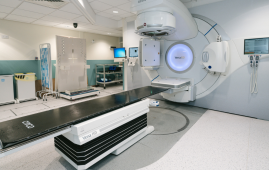 Low-Dose Radiation Therapy Shows Promise in Early Knee OA
Key Points Low-dose radiation therapy was.
 Oral Hormone Replacement Therapy Raises Blood Clot Risk
Key Points Oral hormone replacement therapy.
 GLP-1 Health Information: Quality, Completeness, & Engagement
Key Points A study assessed 128.
 DNA Damage Response May Drive Biological Aging
Key Points Chronic DNA damage response.
 Maternal Diet Fails to Reduce Infant Egg and Peanut Allergy
Key Points A large Australian randomized.
 Psychedelic-Assisted Psychotherapy: Music in Treatment
Key Takeaways Psychedelic-assisted psychotherapy combines psychedelic.
 Cardiovascular Frailty Links Heart Health and Aging
Key Points Cardiovascular frailty may connect.
Leave a Comment