
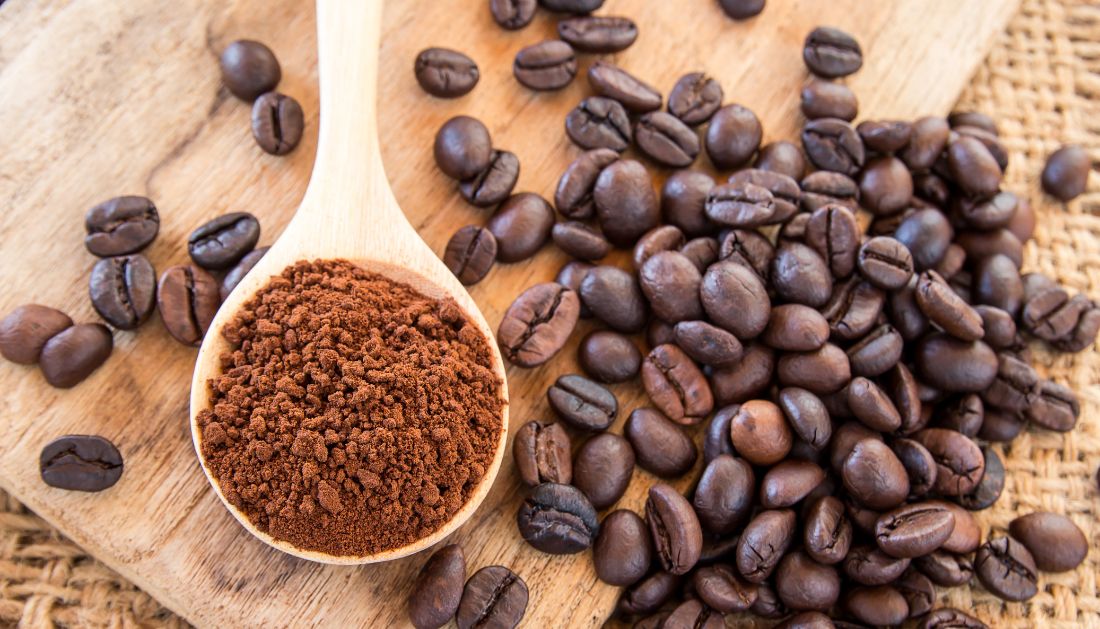
For the first time in decades, researchers may have found a fresh angle in the fight against Sudden Infant Death Syndrome (SIDS). A new hypothesis from Rutgers Health suggests a surprising ally: caffeine. The research, recently published in the Journal of Perinatology, proposes that caffeine may help protect infants by preventing intermittent hypoxia, a temporary drop in oxygen that could trigger SIDS.
Why This Hypothesis Matters
Despite decades of public health campaigns promoting safe infant sleep, rates of Sudden Unexpected Infant Death (SUID) — including SIDS — have plateaued at around 3,500 deaths annually in the U.S. That’s approximately 1 death for every 1,000 live births.
According to neonatologist Dr. Thomas Hegyi of Rutgers Robert Wood Johnson Medical School, most known SIDS risk factors—such as bed-sharing, stomach sleeping, and exposure to maternal smoking—are linked by one common mechanism: oxygen deprivation.
So, what counters intermittent hypoxia? The answer may lie in something already used in neonatal care.
Caffeine’s Role in Infant Health
Caffeine is currently used to treat apnea of prematurity, where it acts as a respiratory stimulant in premature babies. Not only is it safe and effective in neonates, but its **extended half-life in infants—up to 100 hours—**means it lingers in their systems much longer than in adults.
This metabolic delay might explain why SIDS rates peak between two and four months, as infants begin to metabolize caffeine more rapidly, reducing its protective potential. It also offers a potential reason breastfeeding appears protective—since caffeine passes through breast milk.
A New Direction, Not a Replacement
Importantly, Rutgers researchers emphasize that caffeine is not a substitute for safe sleep practices. Practices like eliminating soft bedding and placing babies on their backs to sleep remain crucial.
Instead, if proven effective, caffeine could complement existing strategies as the first pharmacological approach to reducing SIDS risk.
Looking Ahead
The Rutgers team plans to test their hypothesis further by comparing caffeine levels in infants who died of SIDS with those who passed from other causes. While still in early stages, this idea offers new hope in a field where progress has long been stagnant.
As Dr. Hegyi put it, this theory aims “to stimulate new thinking about a problem that has remained unchanged for 25 years.”
For more information: Hegyi, T., & Ostfeld, B. M. (2025). Reducing the risk of sudden unexpected infant death: the caffeine hypothesis. Journal of Perinatology. doi.org/10.1038/s41372-025-02333-x.

more recommended stories
 Brain-Computer Interface Uses EEG in Unresponsive Patients
Key findings at a glance Mind-controlled.
 Gamma Oscillations Restored in Alzheimer’s Disease Mice
Key takeaways Researchers restored parvalbumin (PV).
 Coffee Consumption Linked to Lower Recurrent VTE Risk
Key points at a glance Study.
 Body Roundness Index Linked to Higher Heart Attack Risk
Key findings at a glance Study.
 Maternal Diet Fails to Reduce Infant Egg and Peanut Allergy
Key Points A large Australian randomized.
 Visual Impairment Linked to Higher Dementia Risk
Key findings at a glance A.
 Long-Acting HIV Treatment May Help Drug-Resistant Cases
Key Takeaways A UCSF study found.
 Night Shift Work Alters Key Circadian Gene Expression
A recent study published in Frontiers.
 Tirzepatide Weight Loss: Fat Mass and Muscle Findings
Key points Tirzepatide was associated with.
 Coffee and Gut Microbiome: Brewing and Metabolic Effects
Key Points Coffee contains caffeine, chlorogenic.
Leave a Comment