
Colorectal Cancer Screening Rates Low Among Adults Aged 45–49

Recent UCLA research reveals that colorectal cancer screening uptake among adults aged 45 to 49 remains significantly below expectations, even after the United States Preventive Services Task Force (USPSTF) lowered the recommended starting age from 50 to 45. Despite heightened national concern about rising early-onset colorectal cancer, fewer than one in four eligible adults completed screening, signaling a concerning gap in preventive care for this newly prioritized age group.
The study, published in the Journal of the National Cancer Institute, examined 2022 BRFSS data from more than 13,300 adults aged 45–49. Researchers found that only 22.5% of respondents completed any colorectal cancer test following the guideline change, a small increase from 19.7% in 2021. This modest improvement suggests that many adults are still unaware of or unable to act upon the updated screening recommendations.
Among those who were screened, 61% underwent colonoscopy, 32% used stool-based testing, and 7% chose sigmoidoscopy or CT colonography. However, the overall participation rate remains low for a population facing an increasing risk of early-onset colorectal cancer—a trend that continues to concern clinicians as incidence rises in younger adults.
The research team explored whether unmet social needs, housing insecurity, transportation challenges, or food insecurity might be contributing factors. Initial unadjusted data showed that each unmet need was associated with 14% lower odds of Colorectal Cancer screening. But when researchers adjusted for multiple sociodemographic and clinical characteristics, those differences were no longer statistically significant.
This finding suggests that the primary barriers for this age group may extend beyond socioeconomic challenges. Limited awareness of the new screening age, lack of proactive clinician recommendation, misconceptions about personal risk, and competing health priorities may all play a role. Transportation insecurity was associated with an increased reliance on stool-based tests rather than colonoscopies, but it did not impact the overall likelihood of screening completion.
Lead author Dr. Katherine Chen emphasized that targeted actions are urgently required:
“Media campaigns and health policies that improve access to preventive care are essential to detect colorectal cancer early, when treatment is most effective.”
For healthcare providers, the study highlights the importance of emphasizing the age-45 colorectal cancer screening recommendation and integrating CRC testing into routine primary care interactions. Nurses, primary care physicians, and GI specialists can help close the gap by offering clearer guidance, simplifying access to testing options, and encouraging discussions during annual visits.

 Stroke Rehabilitation: Early High-Intensity Therapy Findings
Key Highlights High-intensity therapy within 2.
 TRPM8 Cold Sensation Mechanism Explained for Pain Care
Quick Summary TRPM8 ion channel converts.
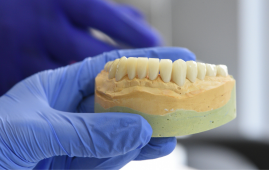 Gum Recession from Snus Confirmed, Caries Risk Debated
Key Highlights Snus use is strongly.
 Hypertensive Disorders of Pregnancy: Role of Daily Activity
Key Points Summary Limiting sedentary time.
 Climate Change Drives Dengue Outbreaks Globally
Key Takeaways Extreme weather significantly increases.
 Teen Driving Risks: Parents Underestimate Safety Threats
Key Takeaways Teen driving risks remain.
 PFK Enzyme Dual Role in Metabolism and Cell Cycle
Key Highlights Phosphofructokinase (PFK Enzyme) shows.
 Exercise During Chemotherapy Supports Brain Health
Key Points Summary A nationwide clinical.
 Invasive Cosmetic Procedures Raise Patient Safety Concerns
Key Summary Experts publishing in The.
 Oligometastatic Pancreatic Cancer: New Global Consensus
Key Points Summary An international expert.
Leave a Comment