
Vagus Nerve and Cardiac Aging: New Evidence for Heart Longevity

The vagus nerve and cardiac aging are now directly linked through compelling experimental evidence. A multidisciplinary study led by Sant’Anna School of Advanced Studies in Pisa and published in Science Translational Medicine demonstrates that maintaining bilateral cardiac vagal innervation, particularly on the right side, acts as a biological safeguard against premature heart aging.
For cardiologists, intensivists, and perioperative care teams, these findings redefine how autonomic nervous system integrity influences myocardial health beyond conventional metrics such as heart rate control.
Researchers observed that disruption of vagal-heart connectivity accelerates myocardial aging, structural remodelling, and contractile decline. In contrast, partial restoration of the right cardiac vagus nerve preserved cardiomyocyte integrity and sustained adequate cardiac contractility.
Notably, these benefits occurred independently of heart rate modulation, highlighting a direct cellular and molecular influence of vagal signalling on cardiac tissue health. This insight positions autonomic preservation as a core factor in long-term cardiovascular resilience, especially relevant for patients undergoing cardiac or thoracic surgery.
A critical contribution came from bioengineering innovation. Scientists at the Biorobotics Institute developed an implantable bioabsorbable nerve conduit designed to guide spontaneous regeneration of the thoracic vagus nerve at the cardiac level.
This neuro-regenerative approach bridges experimental medicine and surgical application, offering a tangible pathway to preserve autonomic-cardiac communication after surgical disruption. Supported by European FET NeuHeart funding and Italy’s PNRR Tuscany Health Ecosystem initiative, the project reflects international collaboration across cardiology, neuroengineering, and aging research.
The study suggests a paradigm shift for cardiothoracic and transplant surgery: restoring cardiac vagal innervation during surgery may prevent long-term myocardial aging rather than managing its consequences years later.
For healthcare professionals, this opens new preventive strategies targeting autonomic integrity to support cardiac longevity, postoperative recovery, and functional preservation, particularly in high-risk or aging populations.

 Tirzepatide Weight Loss: Fat Mass and Muscle Findings
Key points Tirzepatide was associated with.
 Coffee and Gut Microbiome: Brewing and Metabolic Effects
Key Points Coffee contains caffeine, chlorogenic.
 Low-Dose Radiation Therapy Shows Promise in Early Knee OA
Key Points Low-dose radiation therapy was.
 Oral Hormone Replacement Therapy Raises Blood Clot Risk
Key Points Oral hormone replacement therapy.
 GLP-1 Health Information: Quality, Completeness, & Engagement
Key Points A study assessed 128.
 DNA Damage Response May Drive Biological Aging
Key Points Chronic DNA damage response.
 Maternal Diet Fails to Reduce Infant Egg and Peanut Allergy
Key Points A large Australian randomized.
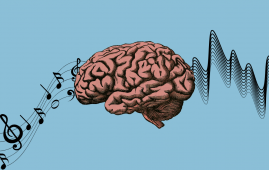 Psychedelic-Assisted Psychotherapy: Music in Treatment
Key Takeaways Psychedelic-assisted psychotherapy combines psychedelic.
 Cardiovascular Frailty Links Heart Health and Aging
Key Points Cardiovascular frailty may connect.
 Laser Blended Vision: Simple Test Predicts Success
Key Points A simple phoropter-based test.
Leave a Comment