Accessible Dance and Healthy Aging Research

Why Are Joyful Dance Programs for Older Adults Gaining Attention in Community Health?
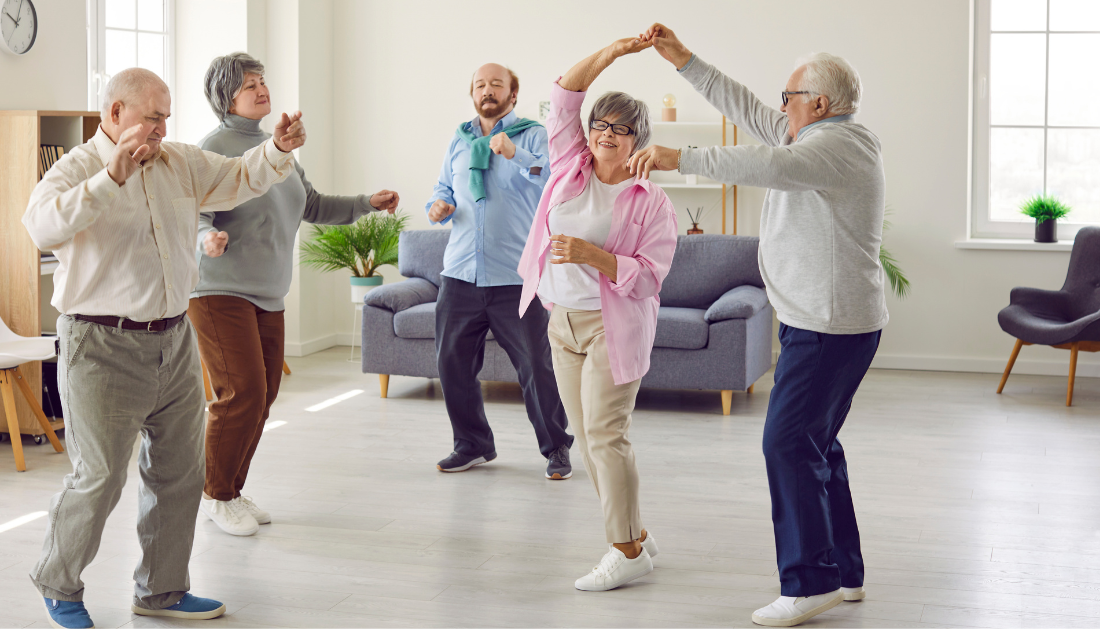
A recent qualitative study published in the Journal of Ageing and Longevity examined the Sharing Dance Older Adults (SDOA) initiative at the National Ballet School of Canada. Designed as an inclusive, imaginative movement program, SDOA demonstrates how accessible dance programs can promote healthy aging beyond traditional exercise models.
For many older adults, declining mobility, chronic conditions, and limited access to tailored physical activity reduce engagement in structured fitness programs. While previous research links dance to improvements in strength, balance, cardiovascular function, and cognitive health, this study shifts the lens toward joy, social inclusion, and emotional well-being.
Using an arts-based methodology with video elicitation and focus groups, researchers explored participants’ lived experiences. Themes were analyzed through frameworks such as the Activity Theory of Aging and embodied cognition, positioning joy as a measurable and meaningful health outcome.
For healthcare professionals (HCPs) and nurses, these findings reinforce the need to consider holistic well-being in aging populations, particularly when recommending non-pharmacologic interventions.
Participants aged 55 and older described improvements in:
Unlike traditional gym-based exercise, the program integrated storytelling, imaginative prompts, and music to deepen emotional engagement. Creative imagery, such as walking on a beach or embodying sunlight, stimulated memory and positive affect. Music served as both a sensory cue and a bridge to personal narratives, reinforcing emotional resilience.
Importantly, the study highlights that joyful movement in aging is not incidental; it is foundational. Emotional connection and shared experiences strengthened peer relationships, extending beyond class through informal gatherings and carpooling. This social dimension aligns with evidence linking reduced isolation to better long-term health outcomes.
Accessibility was a defining feature of the SDOA model. Seated and standing options accommodated varied functional levels, while instructors fostered a judgment-free environment. Peer support mitigated minor challenges such as visibility or hearing limitations.
However, barriers persisted, waitlists, transportation issues, and limited outreach reduced access. Participants expressed interest in geographically closer classes and clearer information about virtual options.
For clinicians and community health planners, these findings offer actionable insights:
By centering joy and inclusion, dance for healthy aging may represent a practical, scalable adjunct to conventional geriatric care strategies. As aging populations grow globally, integrating creative movement into public health planning warrants serious consideration.

 Tirzepatide Weight Loss: Fat Mass and Muscle Findings
Key points Tirzepatide was associated with.
 Dietary Polyphenol Intake Associated With Lower MCI Odds
Key Points Older adults without mild.
 Smoking and Loneliness Linked in Large European Study
Key points: A Europe-wide study of.
 Malaria Vaccination Turns Mosquito Bites Into Immune Boosters
Key takeaways: WEHI researchers developed a.
 Lead Exposure in Indoors and Contamination in Soil
Key Points Lead contamination in soil.
 Drinking Water With Meals Linked to Higher Food Intake
Key Points Summary A new Appetite.
 Cyclosporiasis Risk: Who Faces the Highest Threat?
Key Summary Cyclosporiasis cases are increasing.
 EP2 Receptor Research Opens New Path for Healthy Aging
Key Points Researchers identified the EP2.
 Lifestyle Behaviors and Mood Linked in Daily Life Study
Key Points A 70-day diary study.
 England Obesity Prevalence Climbs to 30%, Lancet Study
Key Points A nationwide study of.
Leave a Comment