
Every day, approximately 5 million children in the United States wake up unsure whether they will make it through the school day, soccer practice, or a sleepover with friends without experiencing painful coughing, wheezing, and shortness of breath. These children suffer from asthma, for which there is no cure. But what if it was possible to forecast a child’s risk of acquiring asthma and intervene to prevent it? UC San Francisco researchers discovered a correlation between the gut microbiome — the community of microbes living in the gut — and childhood asthma risk in 2019. By focusing on certain bacteria, they are now establishing a new path for treating the condition.
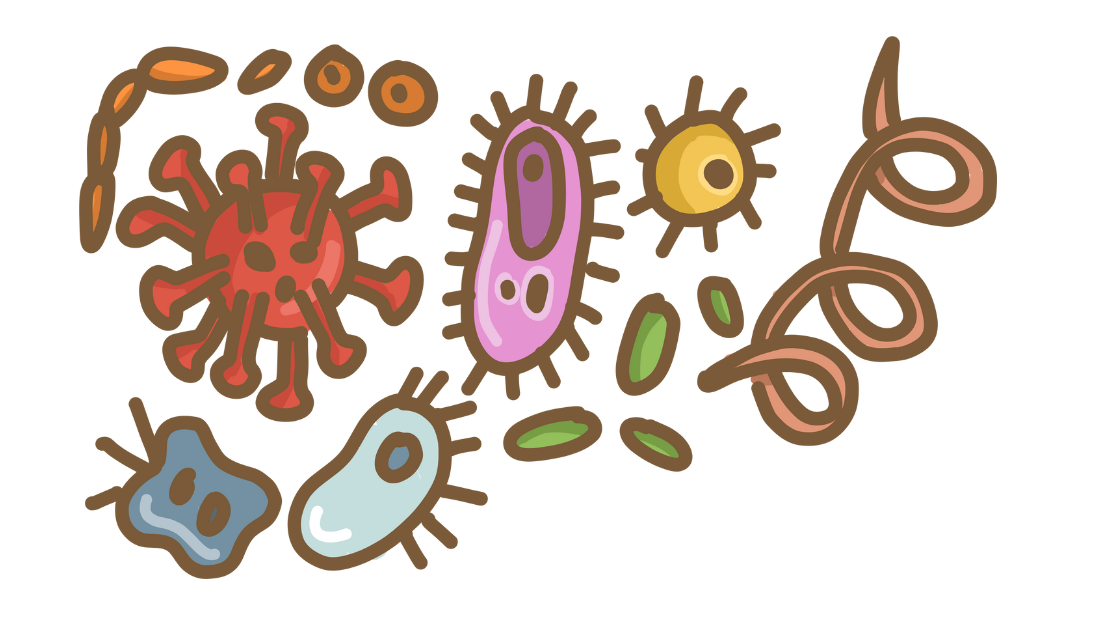
Microbiomes can be found all over and inside our bodies, from the gut to the mouth, to the skin and airways. Each microbiome’s bacteria play an important role in our health and, tragically, disease. However, a better knowledge of our relationship with these bacteria has opened the door of treating a wide range of human disorders by targeting microbiomes themselves.
“Our goal is to engineer the infant gut microbiome in order to steer the growing child away from asthma development.” We also intend to use this technology to target airway infections and reduce asthma exacerbations in children with asthma,” said Sue Lynch, Ph.D., director of the UCSF Benioff Center for Microbiome Medicine (BCMM) and project leader. “We’re aiming to have a therapy ready for human clinical trials in under 5 years.”
“Our goal is to engineer the infant gut microbiome to divert the growing child’s trajectory away from asthma development.”- Sue Lynch, Ph.D.
How to Strengthen Your Immune System
Lynch has collaborated with Nobel Laureate Jennifer Doudna, Ph.D., and Jill Banfield, Ph.D. — both pioneers of CRISPR gene editing at UC Berkeley and the Innovative Genomics Institute (IGI) — to precisely modify asthma-causing genes in the microbiome without disrupting the microbiome’s beneficial functions.
Lynch explained that the neonatal microbiota is uniquely positioned for long-lasting interventions. Her asthma medication alters the infant gut microbiota, which instructs the growing immune system to function healthily over the course of a lifetime.
The research wants to pave the path for treating many other disorders, ranging from ulcerative colitis to periodontal disease and multiple sclerosis, by testing this method in a well-known example of a microbiome-related condition.
“The combination of UCSF’s incredible clinical infrastructure and the science facilities within the Benioff Center for Microbiome Medicine make us uniquely poised to push the boundaries of translational human microbiome research,” Lynch said in a press release.

more recommended stories
 Night Shift Work Alters Key Circadian Gene Expression
A recent study published in Frontiers.
 Tirzepatide Weight Loss: Fat Mass and Muscle Findings
Key points Tirzepatide was associated with.
 Coffee and Gut Microbiome: Brewing and Metabolic Effects
Key Points Coffee contains caffeine, chlorogenic.
 Low-Dose Radiation Therapy Shows Promise in Early Knee OA
Key Points Low-dose radiation therapy was.
 Oral Hormone Replacement Therapy Raises Blood Clot Risk
Key Points Oral hormone replacement therapy.
 GLP-1 Health Information: Quality, Completeness, & Engagement
Key Points A study assessed 128.
 DNA Damage Response May Drive Biological Aging
Key Points Chronic DNA damage response.
 Maternal Diet Fails to Reduce Infant Egg and Peanut Allergy
Key Points A large Australian randomized.
 Psychedelic-Assisted Psychotherapy: Music in Treatment
Key Takeaways Psychedelic-assisted psychotherapy combines psychedelic.
 Cardiovascular Frailty Links Heart Health and Aging
Key Points Cardiovascular frailty may connect.
Leave a Comment