
Huntington’s Prevention: Biomarkers Offer Early Detection

Huntington’s disease (HD) is a genetic neurodegenerative disorder that progressively impairs movement, cognition, and behavior. However, a recent study led by researchers at University College London reveals that subtle brain changes begin as early as 20 years before clinical motor symptoms appear. These findings could revolutionize Huntington’s prevention strategies and early treatments for Huntington’s and other neurodegenerative diseases.
This groundbreaking research emphasizes the significance of early intervention. The detection of subtle biomarkers decades before clinical symptoms highlights a potential therapeutic window.
CAG expansions in the huntingtin gene amplify over time, accelerating neuron damage. This process was found to be measurable through blood analysis, predicting brain volume reductions and validating it as a promising therapeutic target.
This study paves the way for preventive approaches:
More Information: Somatic CAG repeat expansion in blood associates with biomarkers of neurodegeneration in Huntington’s disease decades before clinical motor diagnosis, Nature Medicine (2025). DOI: 10.1038/s41591-024-03424-6

 Gamma Oscillations Restored in Alzheimer’s Disease Mice
Key takeaways Researchers restored parvalbumin (PV).
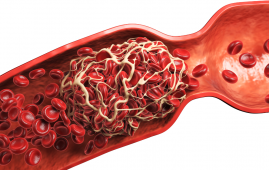 Coffee Consumption Linked to Lower Recurrent VTE Risk
Key points at a glance Study.
 Body Roundness Index Linked to Higher Heart Attack Risk
Key findings at a glance Study.
 Maternal Diet Fails to Reduce Infant Egg and Peanut Allergy
Key Points A large Australian randomized.
 Visual Impairment Linked to Higher Dementia Risk
Key findings at a glance A.
 Long-Acting HIV Treatment May Help Drug-Resistant Cases
Key Takeaways A UCSF study found.
 Night Shift Work Alters Key Circadian Gene Expression
A recent study published in Frontiers.
 Tirzepatide Weight Loss: Fat Mass and Muscle Findings
Key points Tirzepatide was associated with.
 Coffee and Gut Microbiome: Brewing and Metabolic Effects
Key Points Coffee contains caffeine, chlorogenic.
 Low-Dose Radiation Therapy Shows Promise in Early Knee OA
Key Points Low-dose radiation therapy was.
Leave a Comment