Immune Cell Epigenome and Disease Risk Explained

Why do patients infected with the same virus experience vastly different clinical outcomes? According to new research from the Salk Institute, the answer lies in the immune cell epigenome, a molecular layer that records both inherited genetics and lifetime exposures.
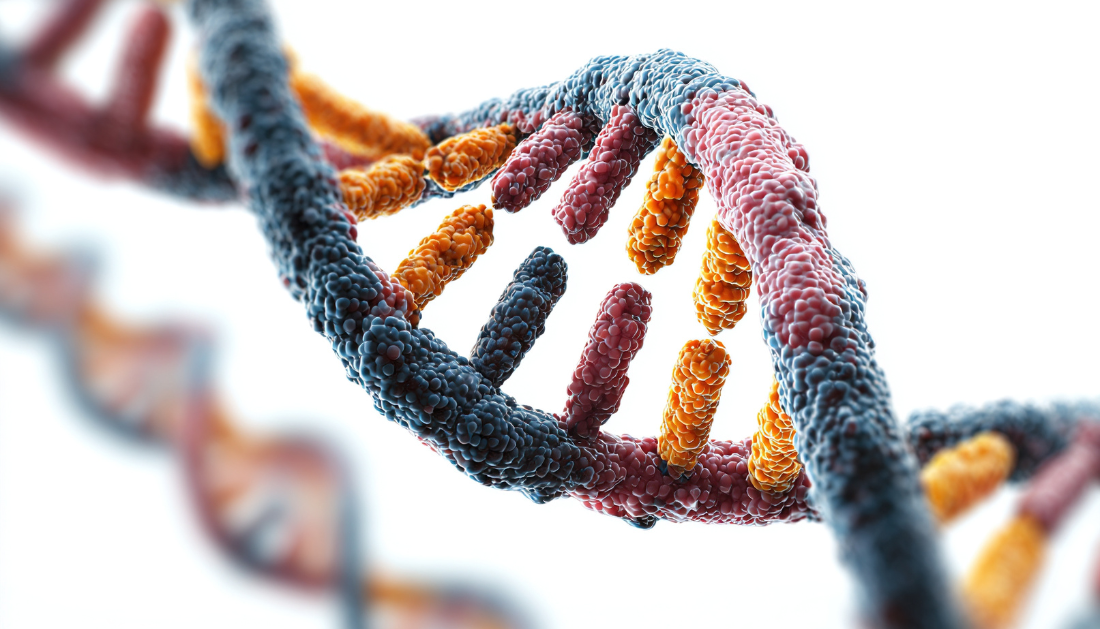
Published in Nature Genetics (January 27, 2026), the study presents a comprehensive cell-type–specific epigenetic atlas of immune cells, showing how DNA methylation patterns regulate immune behavior. While DNA sequences remain constant across cells, epigenetic markers determine which genes are active, shaping immune identity and response.
This distinction is especially relevant for clinicians managing variable responses to infections such as COVID-19, influenza, HIV-1, and MRSA, where risk prediction remains challenging.
The researchers analyzed blood samples from 110 individuals with diverse medical histories, including prior infections, anthrax vaccination, and pesticide exposure. Four immune cell types were studied: T cells, B cells, monocytes, and natural killer cells.
The immune epigenome catalog offers a roadmap for linking disease-associated genetic variants to the immune cells where pathology begins. By identifying which cell types are affected by specific epigenetic changes, clinicians may better understand disease susceptibility, prognosis, and therapeutic response.
With expanded datasets, this approach could support infection outcome prediction. For example, shared epigenetic markers among infection survivors could guide early risk assessment and targeted intervention, before severe symptoms develop.
For HCPs and nurses, this research reinforces the importance of integrating genetics, exposure history, and immune profiling into patient evaluation.

 Night Shift Work Alters Key Circadian Gene Expression
A recent study published in Frontiers.
 Tirzepatide Weight Loss: Fat Mass and Muscle Findings
Key points Tirzepatide was associated with.
 Coffee and Gut Microbiome: Brewing and Metabolic Effects
Key Points Coffee contains caffeine, chlorogenic.
 Low-Dose Radiation Therapy Shows Promise in Early Knee OA
Key Points Low-dose radiation therapy was.
 Oral Hormone Replacement Therapy Raises Blood Clot Risk
Key Points Oral hormone replacement therapy.
 GLP-1 Health Information: Quality, Completeness, & Engagement
Key Points A study assessed 128.
 DNA Damage Response May Drive Biological Aging
Key Points Chronic DNA damage response.
 Maternal Diet Fails to Reduce Infant Egg and Peanut Allergy
Key Points A large Australian randomized.
 Psychedelic-Assisted Psychotherapy: Music in Treatment
Key Takeaways Psychedelic-assisted psychotherapy combines psychedelic.
 Cardiovascular Frailty Links Heart Health and Aging
Key Points Cardiovascular frailty may connect.
Leave a Comment