
New Frailty Intervention Reduces ER Visits by 35%

A new study led by researchers at University College London (UCL) has found that a personalized home-based support program for older adults with mild frailty can significantly reduce emergency hospital admissions. The clinical trial, published in The Lancet Healthy Longevity, showed that participants receiving the intervention had 35 percent fewer unplanned hospital visits, leading to an average saving of £586 per person for the NHS over the course of a year.
Frailty, a condition that reduces a person’s ability to recover from health problems, is common among older adults and increases the likelihood of disability, hospitalization, and the need for long-term care. The study tested a new six-visit intervention designed to help older individuals remain independent and maintain their well-being. Support workers provided tailored assistance, including home exercise programs, nutritional guidance, strategies to improve mental health, and efforts to enhance social engagement.
The trial included 388 participants over the age of 65 from London, Hertfordshire, and Yorkshire. Of these, 195 were randomly selected to receive the intervention, while 193 received their usual care without additional support. Participants were monitored over a 12-month period to assess the impact of the program.
Researchers found that, beyond reducing emergency hospital visits, the intervention led to small but meaningful improvements in well-being, psychological distress, and frailty scores. However, it did not significantly enhance independence in self-care activities.
Lead researcher Professor Kate Walters emphasized the importance of preventative care, stating that by offering personalized support, healthcare services can help older adults remain healthier for longer while alleviating strain on hospitals. The findings align with recent policy shifts emphasizing community-based and preventative care to reduce hospital pressures.
The study’s success suggests that with the right funding and implementation, the program could be rolled out across the UK within the next two years. Researchers believe that investing in such interventions could help prevent long-term deterioration, ultimately benefiting both patients and the healthcare system.
More Information: A personalised health intervention to maintain independence in older people with mild frailty: a process evaluation within the HomeHealth RCT, The Lancet Healthy Longevity (2025). DOI: 10.1016/j.lanhl.2024.100670

 Long-Acting HIV Treatment May Help Drug-Resistant Cases
Key Takeaways A UCSF study found.
 Night Shift Work Alters Key Circadian Gene Expression
A recent study published in Frontiers.
 Tirzepatide Weight Loss: Fat Mass and Muscle Findings
Key points Tirzepatide was associated with.
 Coffee and Gut Microbiome: Brewing and Metabolic Effects
Key Points Coffee contains caffeine, chlorogenic.
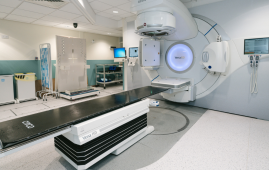 Low-Dose Radiation Therapy Shows Promise in Early Knee OA
Key Points Low-dose radiation therapy was.
 Oral Hormone Replacement Therapy Raises Blood Clot Risk
Key Points Oral hormone replacement therapy.
 GLP-1 Health Information: Quality, Completeness, & Engagement
Key Points A study assessed 128.
 DNA Damage Response May Drive Biological Aging
Key Points Chronic DNA damage response.
 Dietary Polyphenol Intake Associated With Lower MCI Odds
Key Points Older adults without mild.
 Maternal Diet Fails to Reduce Infant Egg and Peanut Allergy
Key Points A large Australian randomized.
Leave a Comment