Image by Freepik

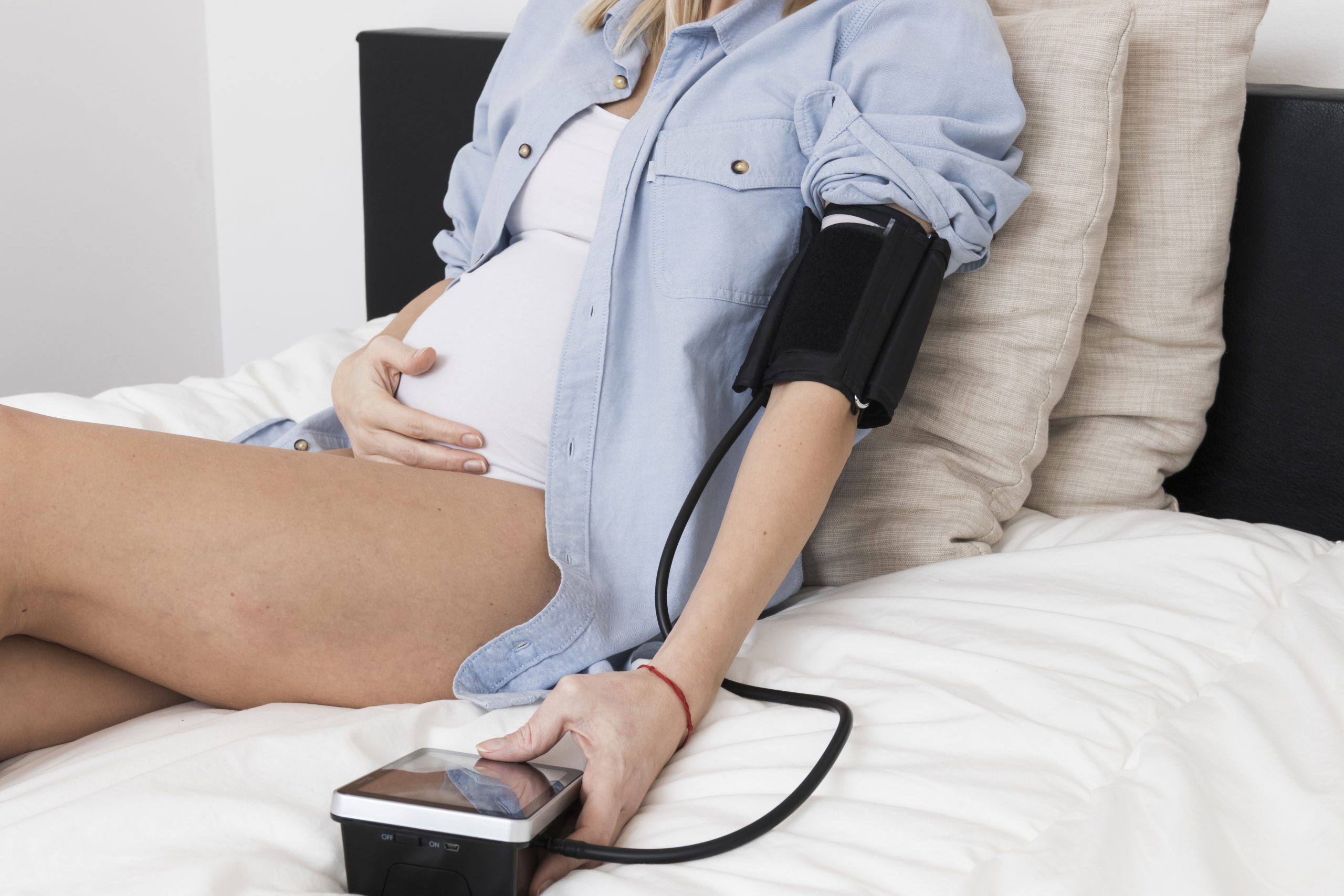
According to a study published in the March 1, 2023, online issue of Neurology, prenatal high blood pressure is linked to an elevated chance of thinking issues later in life. Researchers discovered that those with these diseases were more likely than individuals who did not have high blood pressure during pregnancy to experience cognitive issues in later life.
They also discovered that preeclampsia, a form of prenatal high blood pressure that usually affects the kidneys and other organs and appears halfway through pregnancy, may put people at even higher risk of cognitive decline later in life than gestational high blood pressure, which causes high blood pressure during pregnancy but doesn’t harm the kidneys or other organs.
“While high blood pressure during pregnancy, including preeclampsia, is recognized as a risk factor for heart disease and stroke, our study suggests that it may also be a risk factor for cognitive decline in later life,” said study author Michelle M. Mielke, Ph.D., of Wake Forest University School of Medicine in Winston-Salem, North Carolina, and a member of the American Academy of Neurology.
2,239 female subjects with an average age of 73 participated in the study. Medical records were examined by researchers to learn more about past pregnancies.
385 people, or 17% of the participants, had either never been pregnant or had a pregnancy that lasted fewer than 20 weeks, whereas 1,854 persons, or 83%, had at least one pregnancy. A total of 1,607 women with longer than 20-week pregnancies had normal blood pressure, 147 had preeclampsia or eclampsia, and 100 had gestational high blood pressure. When there is too much protein in the urine during pregnancy, preeclampsia occurs. Eclampsia is a condition in which pregnancy-related elevated blood pressure results in one or more seizures, occasionally followed by a coma.
During the course of an average of five years, participants in the study underwent nine memory and cognitive tests. The exams evaluated a variety of cognitive abilities, including language, visual perception, executive function, processing speed, and global cognition.
In measures of global cognition, attention, executive function, and language, researchers discovered that women with high blood pressure during pregnancy experienced a higher drop than women without high blood pressure during pregnancy and women who had not given birth.
After accounting for age and education, participants with any type of high blood pressure disorder saw a decline in their average composite score on all memory and thinking tests of 0.3 points, as opposed to participants who did not experience high blood pressure during pregnancy, who saw a decline of 0.05 points. Preeclampsia caused a drop in blood pressure of 0.04 points when compared to other high blood pressure conditions, which caused a 0.05 drop, and to individuals who did not have any high blood pressure conditions.
After adjusting for age and education, those who had high blood pressure during pregnancy experienced a decline in executive function and attention scores of 0.4 standard deviations over five years, as opposed to those who had normal blood pressure throughout all of their pregnancies, who experienced a decline of only 0.1 standard deviations. Preeclampsia patients had more severe outcomes, with a 0.5 standard deviation decline in executive function and attention tests compared to a 0.1 decline in individuals with normal blood pressure across all pregnancies.
“More research is needed to confirm our findings. However, these results suggest that managing and monitoring blood pressure during and after pregnancy is an important factor for brain health later in life,” Mielke said.

 Visual Impairment Linked to Higher Dementia Risk
Key findings at a glance A.
 Long-Acting HIV Treatment May Help Drug-Resistant Cases
Key Takeaways A UCSF study found.
 Night Shift Work Alters Key Circadian Gene Expression
A recent study published in Frontiers.
 Tirzepatide Weight Loss: Fat Mass and Muscle Findings
Key points Tirzepatide was associated with.
 Coffee and Gut Microbiome: Brewing and Metabolic Effects
Key Points Coffee contains caffeine, chlorogenic.
 Low-Dose Radiation Therapy Shows Promise in Early Knee OA
Key Points Low-dose radiation therapy was.
 Oral Hormone Replacement Therapy Raises Blood Clot Risk
Key Points Oral hormone replacement therapy.
 GLP-1 Health Information: Quality, Completeness, & Engagement
Key Points A study assessed 128.
 DNA Damage Response May Drive Biological Aging
Key Points Chronic DNA damage response.
 Maternal Diet Fails to Reduce Infant Egg and Peanut Allergy
Key Points A large Australian randomized.
Leave a Comment