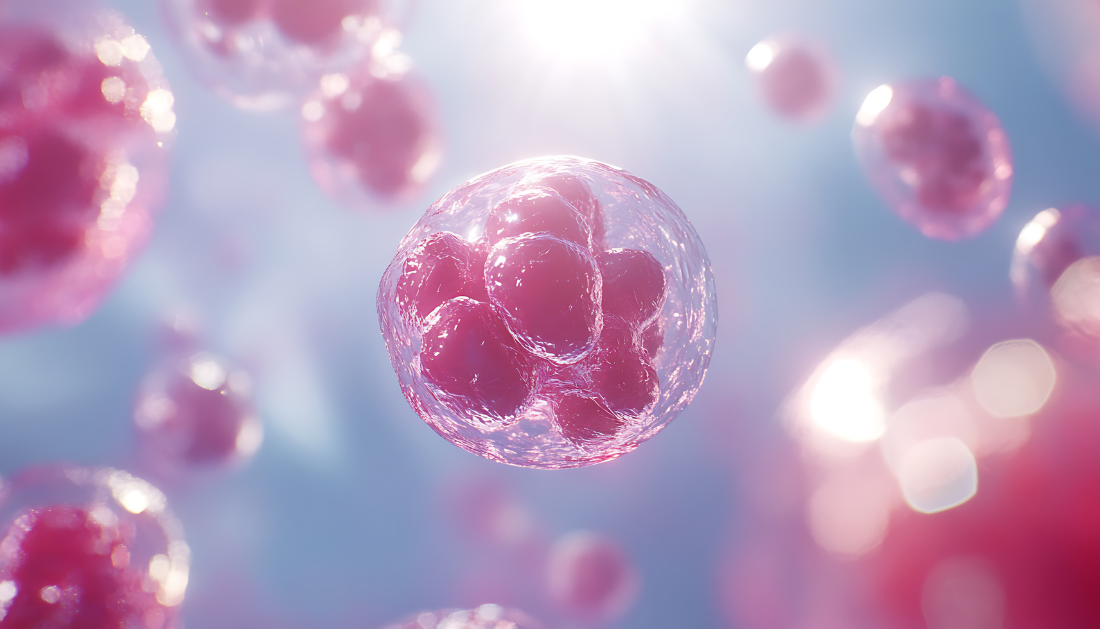
Chromosome Congression and Cancer Therapy Insight

Accurate chromosome alignment during mitosis is essential for healthy cell division. When this process is disrupted, it can lead to chromosomal instability, a key characteristic observed in many cancers. A new study from The University of Osaka, conducted in collaboration with the Massachusetts Institute of Technology, uncovers a cooperative mechanism between two motor proteins, KIF18A and CENP-E, that plays a crucial role in chromosome congression. The findings not only enhance our understanding of mitotic regulation but also reveal a potential therapeutic strategy that selectively targets cancer cells.
The research team employed a genome-wide CRISPR screen in a cell model with a mild kinetochore defect resulting from a CENP-C mutation. They identified KIF18A as a key gene whose loss led to cell death when the kinetochore was already compromised. Further analysis showed that the defect included reduced activity of CENP-E, another motor protein responsible for guiding chromosome movement toward the metaphase plate.
The study demonstrated that KIF18A and CENP-E operate in tandem to ensure chromosomes align properly during the early stages of cell division. In healthy cells, if one protein functions inefficiently, the other can often compensate. However, when both are impaired, alignment fails, leading to mitotic arrest and subsequent cell death.
A notable finding was that certain cancer cells naturally display low CENP-E expression. These cells are highly sensitive to KIF18A inhibition, making them uniquely vulnerable. This suggests that measuring CENP-E levels could help identify tumors more likely to respond to KIF18A-targeting therapies. Additionally, combining inhibitors of both proteins may enhance therapeutic effectiveness against selectively vulnerable cancers.
“We not only uncovered detailed mechanisms of chromosome segregation but also applied these findings to efficiently kill cancer cells, emphasizing that such targeted therapies must be grounded in basic research.”
– Tatsuo Fukagawa, Study Senior Author and Professor, The University of Osaka
This research bridges fundamental cell biology and clinical relevance. As stated by senior author Prof. Tatsuo Fukagawa, the work highlights how basic mechanistic insight can directly inform cancer treatment strategies. For oncology professionals and clinical researchers, the study provides groundwork for biomarker-driven therapeutic development aimed at minimizing systemic toxicity while maximizing tumor specificity.

 Long-Acting HIV Treatment May Help Drug-Resistant Cases
Key Takeaways A UCSF study found.
 Night Shift Work Alters Key Circadian Gene Expression
A recent study published in Frontiers.
 Tirzepatide Weight Loss: Fat Mass and Muscle Findings
Key points Tirzepatide was associated with.
 Coffee and Gut Microbiome: Brewing and Metabolic Effects
Key Points Coffee contains caffeine, chlorogenic.
 Low-Dose Radiation Therapy Shows Promise in Early Knee OA
Key Points Low-dose radiation therapy was.
 Oral Hormone Replacement Therapy Raises Blood Clot Risk
Key Points Oral hormone replacement therapy.
 GLP-1 Health Information: Quality, Completeness, & Engagement
Key Points A study assessed 128.
 DNA Damage Response May Drive Biological Aging
Key Points Chronic DNA damage response.
 Maternal Diet Fails to Reduce Infant Egg and Peanut Allergy
Key Points A large Australian randomized.
 Psychedelic-Assisted Psychotherapy: Music in Treatment
Key Takeaways Psychedelic-assisted psychotherapy combines psychedelic.
Leave a Comment