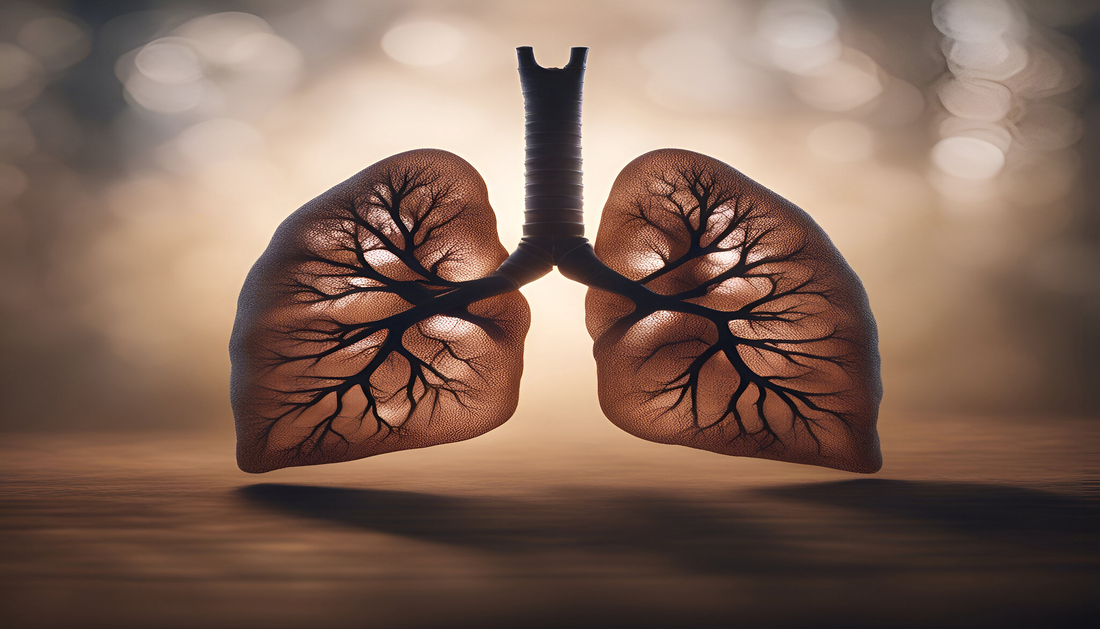
Lung transplant discovery for better survival rates

Researchers at the University Of Virginia School Of Medicine have discovered a potential method to enhance the survival rates of individuals undergoing lung transplant surgery.
For numerous individuals grappling with advanced or end-stage respiratory conditions, lung transplantation stands as the sole treatment recourse. Although survival rates after lung transplants have shown improvement in recent years, they still significantly trail behind the survival rates observed in recipients of other organ transplants.
This has sparked enthusiasm among doctors and researchers to explore methods for enhancing the procedure and mitigating or minimizing post-transplant complications.
Under the guidance of Swapnil K. Sonkusare from the Department of Molecular Physiology and Biological Physics at UVA, a group of researchers has pinpointed cellular alterations within the transplanted lung. These changes play a role in causing “ischemia-reperfusion injury,” a significant factor in organ rejection and post-transplant mortality. The injury occurs when blood supply is restored to tissue after a period without oxygen.
Sonkusare and his research team discovered that by addressing the fundamental biological processes, there is potential for doctors to avert ischemia-reperfusion injuries.
These results have been documented in the journal Science Signaling.
“Our collaborative studies with Dr. Victor Laubach from [UVA’s Department of] Surgery show a new mechanism for lung ischemia-reperfusion injury,” said Sonkusare, of UVA’s Robert M. Berne Cardiovascular Research Center. “This mechanism could be targeted to improve the clinical success of lung transplantation.”
The primary culprit behind “primary graft dysfunction,” the leading cause of death within 30 days after lung transplant, is the ischemia-reperfusion injury. Additionally, this injury can result in chronic allograft dysfunction, which is the primary cause of death a year or more after the transplant. According to the National Institutes of Health, half of lung transplant recipients experience chronic allograft dysfunction within five years of the transplant.
Patients undergoing organ transplants are bound to experience some extent of ischemia-reperfusion injury. The disconnection from the original blood supply and reconnection to a new one cause trauma to the tissues. In the case of lung transplants, this trauma can lead to detrimental outcomes such as inflammation, permeable blood vessels, impairment of the small sacs responsible for oxygen exchange, and other associated issues.
Although the occurrence of ischemia-reperfusion injury is widely recognized, researchers have faced challenges in comprehending its root causes. Sonkusare’s recent study offers insights by pinpointing a specific pathway of biological processes activated by ischemia-reperfusion. These processes took place in the endothelial cells lining the blood vessels in the lung, ultimately leading to immune cell activation and subsequent lung injury, as stated by UVA researchers.
The researchers observed that inhibiting crucial stages in this pathway in laboratory mice effectively halted inflammation and prevented lung damage. This indicates a potentially promising strategy for averting similar issues in human transplant recipients, although extensive research is required before implementation.
“Our collaborative research with Dr. Laubach has revealed the cellular mechanisms for lung ischemia-reperfusion injury,” Sonkusare said. “We are currently testing the effectiveness of drug molecules that block these mechanisms in various models of lung injury after transplantation, with the ultimate goal of improving the success rate of lung transplantation.”
More information: Purinergic P2Y2 receptor–induced activation of endothelial TRPV4 channels mediates lung ischemia-reperfusion injury, Science Signaling (2023).
DOI: 10.1126/scisignal.adg1553
Source: University of Virginia

 Gamma Oscillations Restored in Alzheimer’s Disease Mice
Key takeaways Researchers restored parvalbumin (PV).
 Coffee Consumption Linked to Lower Recurrent VTE Risk
Key points at a glance Study.
 Body Roundness Index Linked to Higher Heart Attack Risk
Key findings at a glance Study.
 Maternal Diet Fails to Reduce Infant Egg and Peanut Allergy
Key Points A large Australian randomized.
 Visual Impairment Linked to Higher Dementia Risk
Key findings at a glance A.
 Long-Acting HIV Treatment May Help Drug-Resistant Cases
Key Takeaways A UCSF study found.
 Night Shift Work Alters Key Circadian Gene Expression
A recent study published in Frontiers.
 Tirzepatide Weight Loss: Fat Mass and Muscle Findings
Key points Tirzepatide was associated with.
 Coffee and Gut Microbiome: Brewing and Metabolic Effects
Key Points Coffee contains caffeine, chlorogenic.
 Low-Dose Radiation Therapy Shows Promise in Early Knee OA
Key Points Low-dose radiation therapy was.
Leave a Comment