
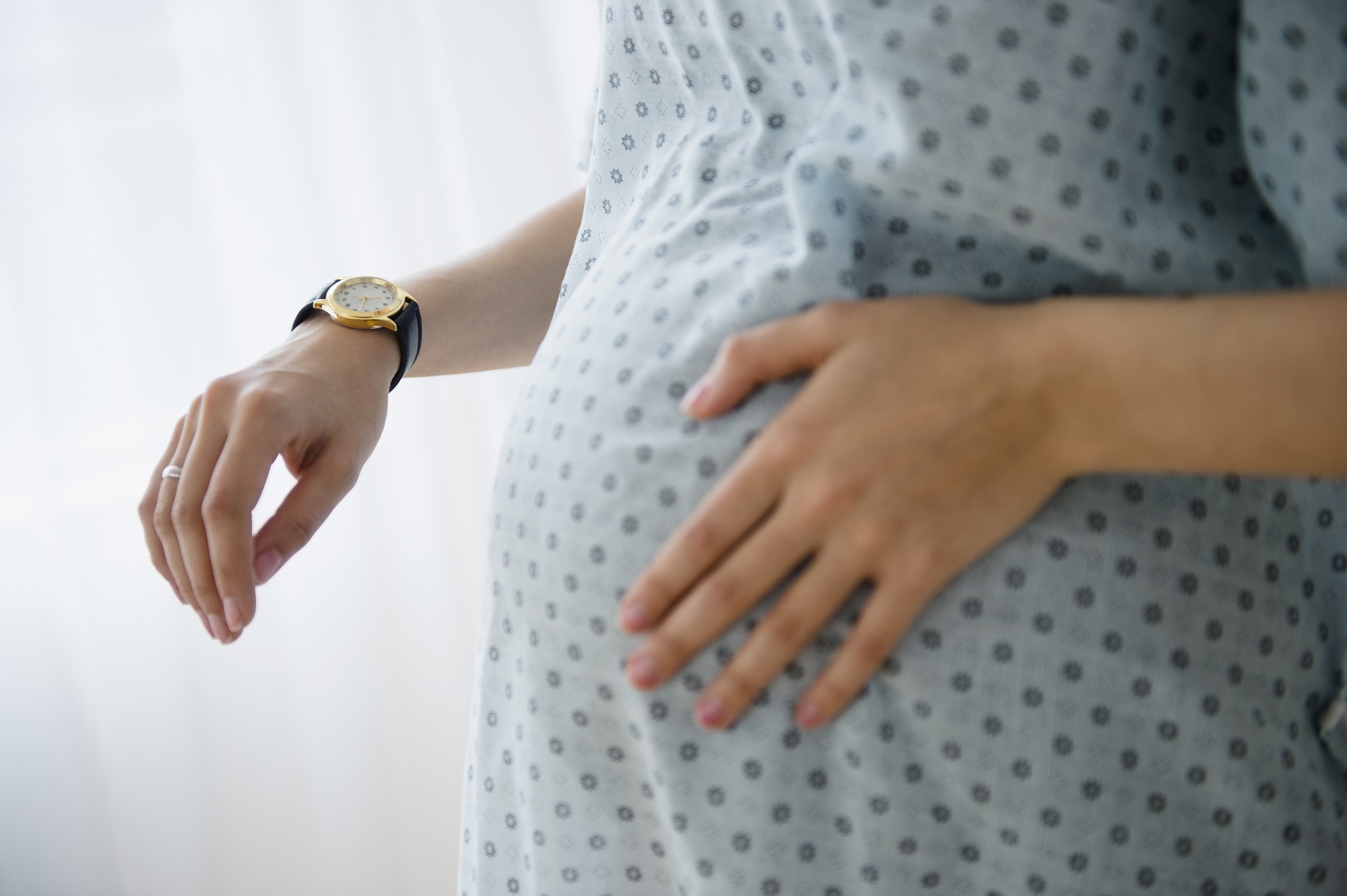
Findings in the Pregnancy and Influenza Multinational Epidemiologic (PRIME) Study indicates that WHO case definitions for influenza-like illness (ILI) were highly specific but had low sensitivity in detecting influenza in a cohort of pregnant women, according to results published in Clinical Infectious Diseases.
In total, 11,277 pregnant women were contacted twice a week during the influenza seasons in India, Peru, and Thailand. Investigators calculated the sensitivities, specificities, positive predictive values, and negative predictive values of symptom-predictors, World Health Organization (WHO) respiratory illness case definitions, and a de novo definition derived from results of multivariable modelling.
Of the 5444 women who met the inclusion criteria, 310 (6%) were positive for influenza by real time reverse transcription polymerase chain reaction. Women positive for influenza were more likely to live in India or Peru, be unvaccinated against influenza, be older in age, and have higher parity. The most commonly reported symptoms included runny nose (89%) and sore throat (77%). The least commonly reported symptom was a fever of at least 38.0 degrees Celsius (3%).
After adjustments for several factors such as site, age, and vaccination status, investigators found that a fever of at least 38.0 degrees Celsius (adjusted odds ratio [aOR], 4.6; 95% CI, 3.1-6.8), myalgia (aOR, 3.0; 95% CI, 2.2-4.0), cough (aOR, 2.7; 95% CI, 1.9-3.9), and chills (aOR, 1.6; 95% CI, 1.1-2.4) were all significantly associated with confirmed influenza. The sensitivities and specificities of individual symptoms varied. Runny nose had the highest sensitivity (91%; 95% CI, 87-94%) but lowest specificity (11%; 95% CI, 10-12%), while fever had the highest specificity (99%; 95% CI, 99-100%) but lowest sensitivity (5%; 95% CI, 3-7%).
The current WHO ILI case definition had low sensitivity (16%; 95% CI, 12-20%), but high specificity for confirmed influenza cases (98%; 95% CI, 98-99%). A modest increase in sensitivity (25%; 95% CI, 20-30%) and decrease in specificity (95%; 95% CI, 94-95%) occurred when the WHO definition was expanded to include subjective fever. This trend continued if the definition was further expanded to subjective fever and chills. The de novo definition from modelling results included at least 1 of the following symptoms: fever greater than 38 degrees Celsius, chills, cough, or myalgia resulted in high sensitivity (95%; 95% CI, 93-98%) and moderate specificity (26%; 95% CI, 25-27%).
This study was able to test case definition performance across a large, diverse, and multi-year sample of pregnant women. The low prevalence of influenza in the study population across two flu seasons was a limitation, as was the possibility that differences in syntax across the varied study population led to differences in interpretations of symptoms like chills or myalgia.
Investigators report that the influenza case definitions performed similarly among the pregnant women in this study compared with non-pregnant adults and children in prior studies. This supports “the applicability of case definitions for influenza surveillance in the general population to pregnant women,” said investigators. They also recommend that the intended use of case definitions be considered when evaluating the tradeoff between sensitivity and specificity.
“[C]ase definitions that require measured or even subjective fever will miss a substantial proportion of influenza cases among pregnant women and may be suboptimal for studies that aim to quantify influenza disease burden or describe the full spectrum of influenza disease among pregnant women,” investigators concluded.

more recommended stories
 Visual Impairment Linked to Higher Dementia Risk
Key findings at a glance A.
 Long-Acting HIV Treatment May Help Drug-Resistant Cases
Key Takeaways A UCSF study found.
 Night Shift Work Alters Key Circadian Gene Expression
A recent study published in Frontiers.
 Tirzepatide Weight Loss: Fat Mass and Muscle Findings
Key points Tirzepatide was associated with.
 Coffee and Gut Microbiome: Brewing and Metabolic Effects
Key Points Coffee contains caffeine, chlorogenic.
 Low-Dose Radiation Therapy Shows Promise in Early Knee OA
Key Points Low-dose radiation therapy was.
 Oral Hormone Replacement Therapy Raises Blood Clot Risk
Key Points Oral hormone replacement therapy.
 GLP-1 Health Information: Quality, Completeness, & Engagement
Key Points A study assessed 128.
 DNA Damage Response May Drive Biological Aging
Key Points Chronic DNA damage response.
 Maternal Diet Fails to Reduce Infant Egg and Peanut Allergy
Key Points A large Australian randomized.
Leave a Comment