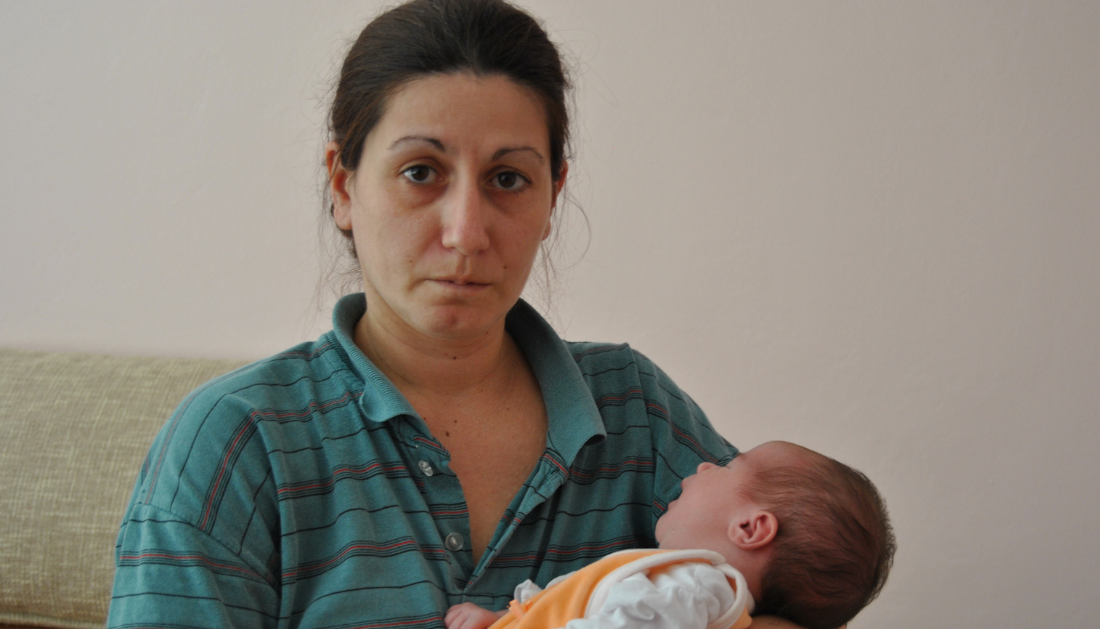
Unplanned births and their effects on maternal Health

A study by the University of the Basque Country (UPV/EHU) has shed light on the health impacts of unplanned pregnancy. Using a unique longitudinal approach, researchers analyzed pre- and postnatal data to reveal how unintended pregnancies affect women’s physical and mental well-being, providing more accurate insights than traditional studies.
Examining data from over 11,500 pregnant women in France, the study found that 20% experienced unplanned pregnancies. While health declines after childbirth are common, the research showed these declines were significantly sharper in cases of unintended pregnancy. Younger women, particularly those under 30, faced greater short-term health challenges, likely due to factors like unstable jobs or ongoing education. However, their stronger initial health often led to quicker recovery compared to older mothers.
The research also differentiated between unwanted pregnancies and those occurring earlier than planned. Unplanned pregnancy, where women had no desire to conceive, were associated with more severe health impacts. This distinction offered a deeper understanding of how pregnancy intentions shape maternal outcomes.
Contrary to expectations, the study found no significant increase in postpartum depression among women with unplanned pregnancies. Although these women showed higher vulnerability to psychological stress before childbirth, their mental health after delivery was comparable to mothers with planned pregnancies.
What sets this study apart is its longitudinal design, which tracked participants’ health over time rather than relying solely on retrospective surveys. This approach provided clearer links between unplanned pregnancy and health outcomes, minimizing the influence of external factors like socioeconomic conditions.
“This research highlights how the planning behind a pregnancy influences women’s health, helping us better understand their challenges,” noted lead researcher Anna Barbuscia.
The findings underscore the need for tailored support for pregnant women, particularly younger mothers or those with unwanted pregnancies, to mitigate health risks and promote long-term well-being.
Read more: Anna Barbuscia, Ariane Pailhé, Anne Solaz Unplanned births and their effects on maternal Health: Findings from the Constances Cohort Social Science & Medicine DOI: 10.1016/j.socscimed.2024.117350

 Gamma Oscillations Restored in Alzheimer’s Disease Mice
Key takeaways Researchers restored parvalbumin (PV).
 Coffee Consumption Linked to Lower Recurrent VTE Risk
Key points at a glance Study.
 Body Roundness Index Linked to Higher Heart Attack Risk
Key findings at a glance Study.
 Maternal Diet Fails to Reduce Infant Egg and Peanut Allergy
Key Points A large Australian randomized.
 Visual Impairment Linked to Higher Dementia Risk
Key findings at a glance A.
 Long-Acting HIV Treatment May Help Drug-Resistant Cases
Key Takeaways A UCSF study found.
 Night Shift Work Alters Key Circadian Gene Expression
A recent study published in Frontiers.
 Tirzepatide Weight Loss: Fat Mass and Muscle Findings
Key points Tirzepatide was associated with.
 Coffee and Gut Microbiome: Brewing and Metabolic Effects
Key Points Coffee contains caffeine, chlorogenic.
 Low-Dose Radiation Therapy Shows Promise in Early Knee OA
Key Points Low-dose radiation therapy was.
Leave a Comment