
Image by Freepik

A new study in Nature Communications discovered a relationship between zinc and a gut sensor protein in the prevention and management of bowel diseases like inflammatory bowel disease.
Professor Christer Hogstrand led an international team that generated human stem cell and mouse ‘mini-guts’ Zinc and the intestinal sensor ‘Aryl Hydrocarbon Receptor’ (AHR) were studied. The AHR helps the body react to nutrients, medicines, and hazardous substances. IBD was almost completely eliminated in mice fed zinc and cruciferous vegetable chemicals like broccoli that stimulate the AHR. AHR activation did not aid zinc-deficient animals.
The research, funded by Guts UK, affects around a third of the world’s zinc-deficient population, which is highest in nations that eat mostly plant-based foods, which are poor suppliers of zinc. New IBD treatments include zinc supplementation and plant-derived bioactive chemicals that promote AHR, which are plentiful in cruciferous vegetables.
Meat and seafood are the best dietary sources of zinc, however global poverty, sustainability issues, and animal welfare concerns are moving the planet’s population away from animal-based diets and towards plant-based foods. Therefore, to avoid insufficient intake of this critically important micronutrient it is necessary to ensure that there is an adequate zinc supply.” Professor Christer Hogstrand, Professor of Molecular Ecotoxicology.
One of the gut’s tasks is to act as a barrier against bacteria, fungi, viruses, and other potentially dangerous substances. Tight junctions seal the interior layer of the gut. These tight connections can sometimes grow looser, and the colon becomes more porous, resulting in ‘leaky gut’ or IBD. To prevent this, some foods bind to AHR, which then communicates with cell ‘tight junctions’ and the immune system to keep the colon healthy and protect it from inflammation and IBD. According to the latest findings, AHR accomplishes this by allowing the important mineral zinc into the cells, which enhances the seal of the ‘tight junctions’.
Crohn’s disease and ulcerative colitis are the two kinds of IBD. They arise when the digestive tract lining becomes irritated and swells, resulting in symptoms such as stomach pain, diarrhoea, and bleeding. Leaky gut occurs when the digestive tract is compromised and the gut no longer protects against harmful chemicals. It is a primary cause of inflammation, organ damage, and hence a variety of disorders.

 Long-Acting HIV Treatment May Help Drug-Resistant Cases
Key Takeaways A UCSF study found.
 Night Shift Work Alters Key Circadian Gene Expression
A recent study published in Frontiers.
 Tirzepatide Weight Loss: Fat Mass and Muscle Findings
Key points Tirzepatide was associated with.
 Coffee and Gut Microbiome: Brewing and Metabolic Effects
Key Points Coffee contains caffeine, chlorogenic.
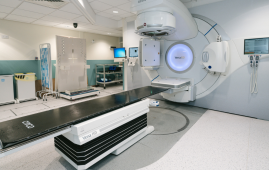 Low-Dose Radiation Therapy Shows Promise in Early Knee OA
Key Points Low-dose radiation therapy was.
 Oral Hormone Replacement Therapy Raises Blood Clot Risk
Key Points Oral hormone replacement therapy.
 GLP-1 Health Information: Quality, Completeness, & Engagement
Key Points A study assessed 128.
 DNA Damage Response May Drive Biological Aging
Key Points Chronic DNA damage response.
 Maternal Diet Fails to Reduce Infant Egg and Peanut Allergy
Key Points A large Australian randomized.
 Psychedelic-Assisted Psychotherapy: Music in Treatment
Key Takeaways Psychedelic-assisted psychotherapy combines psychedelic.
Leave a Comment