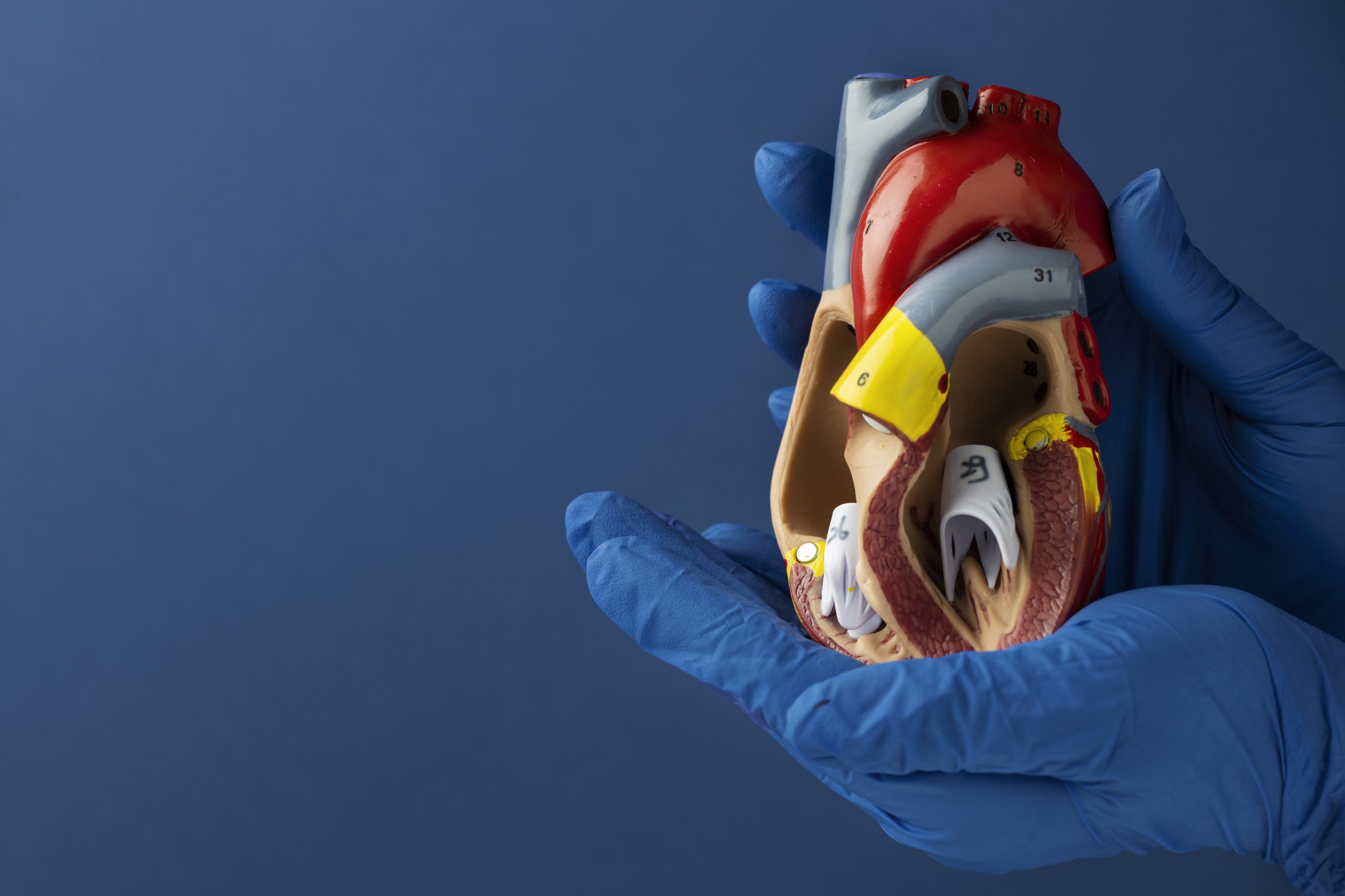
Image by Freepik

According to a study published online on January 24 in Transplant Infectious Disease, organ transplantation from SARS-CoV-2 nucleic acid test (NAT), positive donors appear to be safe for short-term outcomes.
The Swedish Medical Center in Seattle’s Jason D. Goldman, M.D., and colleagues evaluated organ transplantation and recipient outcomes between NAT-positive and NAT-negative donors for the SARS-CoV-2 virus. Between May 27, 2021, and January 31, 2022, 617 NAT-positive donors from all OPTN regions and 53 of 57 organ procurement organizations had their organs recovered.
The researchers discovered that NAT-positive donors were younger and had higher kidney and liver organ quality ratings. Organ usage was decreased in NAT-positive donors compared to NAT-negative donors. In total, 1,241 organs from 514 NAT-positive donors were transplanted, as opposed to 21,946 organs from 8,853 NAT-negative donors.
The medical urgency was less for liver and heart transplant recipients who tested positive for NAT. The median wait time for liver recipients was greater for NAT-positive donors. The match run sequence number for the final acceptor was greater for NAT-positive donors for all organ types. Results for hospital duration of stay, 30-day mortality, and 30-day graft loss were comparable across all organ types. Throughout this study period, no SARS-CoV-2 donor-derived transmission incidents were documented.
“These data suggest that the careful use of SARS-CoV-2 NAT+ donors can balance the risk for waitlist mortality in the setting of scarcity of available deceased donor organs,” the authors write.
Several authors disclosed financial ties to the pharmaceutical industry.

 GLP-1 Health Information: Quality, Completeness, & Engagement
Key Points A study assessed 128.
 DNA Damage Response May Drive Biological Aging
Key Points Chronic DNA damage response.
 Maternal Diet Fails to Reduce Infant Egg and Peanut Allergy
Key Points A large Australian randomized.
 Psychedelic-Assisted Psychotherapy: Music in Treatment
Key Takeaways Psychedelic-assisted psychotherapy combines psychedelic.
 Cardiovascular Frailty Links Heart Health and Aging
Key Points Cardiovascular frailty may connect.
 Laser Blended Vision: Simple Test Predicts Success
Key Points A simple phoropter-based test.
 Pink Noise Boosts Brain Waste Clearance During Sleep
Key Points Pink noise delivered during.
 Psilocybin Microdosing Research Raises Key Questions
Key points: Psilocybin microdosing research shows.
 Maternal Illness Linked to Epigenetic Fetal Brain Changes
Maternal illness during pregnancy may influence.
 SGLT2 Inhibitors Boost Cardiac Energy Through PANK1
Key Points SGLT2 inhibitors directly activate.
Leave a Comment