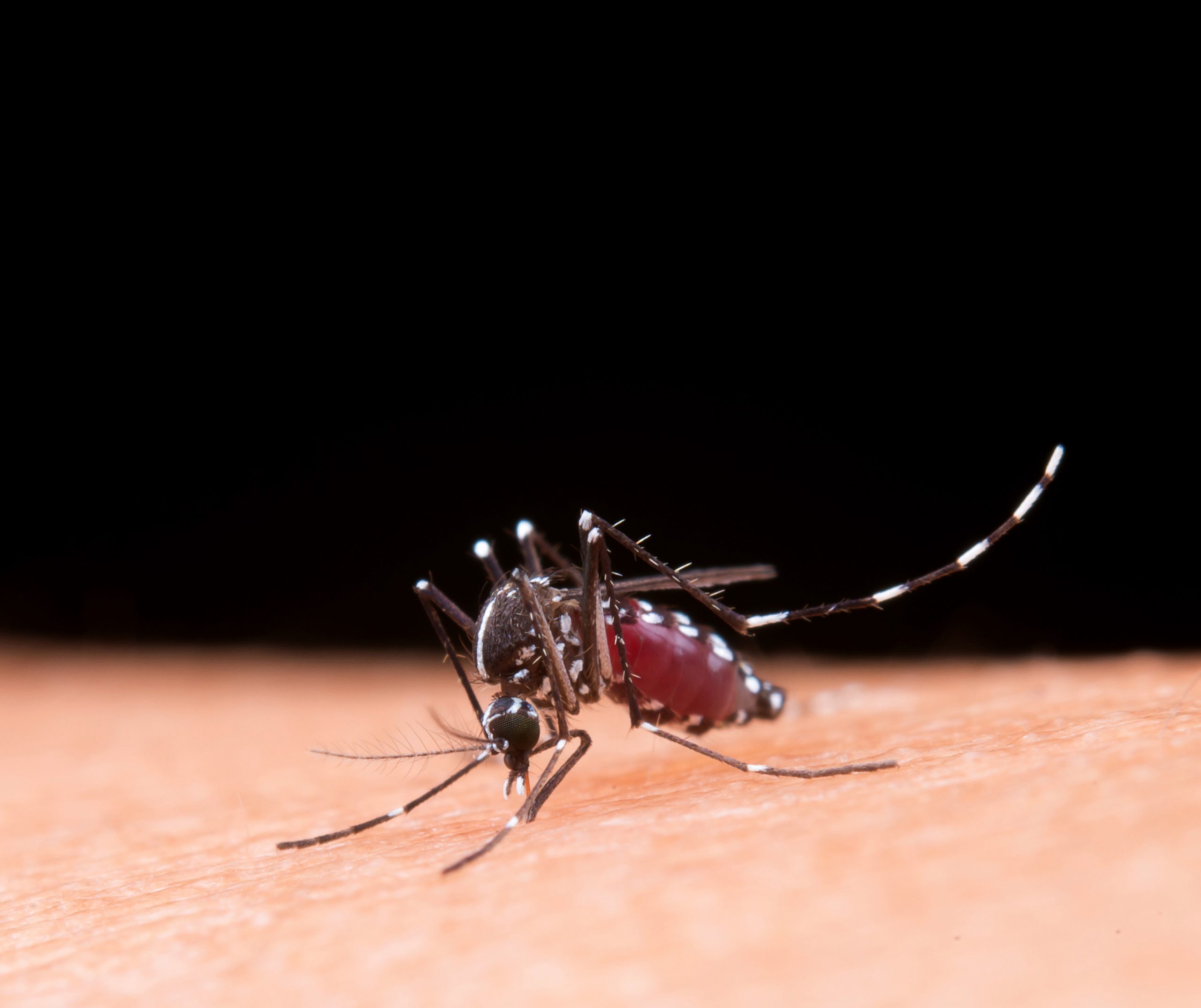
Image by jcomp on Freepik

According to recent research published in PLOS Pathogens, the saliva of mosquitoes carrying dengue viruses includes a substance that interferes with the human immune system and makes it simpler for people to contract the potentially fatal viruses.
In addition to perennial dengue hotspots like Southeast Asia, Africa, and Latin America, dengue has recently expanded to Europe and the southern United States. The new finding, made by a researcher at the University of Virginia School of Medicine and his team, serves to explain why the illness is so easily spread and may eventually result in improved methods of infection prevention.
“It is remarkable how clever these viruses are. They subvert mosquito biology to tamp down our immune responses so that infection can take hold,” said Dr. Mariano A. Garcia-Blanco, who recently joined the UVA faculty as chair of the Department of Microbiology, Immunology and Cancer Biology. “There is no doubt in my mind that a better understanding of the fundamental biology of transmission will eventually lead to effective transmission-blocking measures.”
Garcia-Blanco suspects that researchers will find similar immune-dampening substances accompanying other mosquito-borne infections such as Zika, West Nile, and yellow fever. “Our findings are almost certainly going to be applicable to infections with other flaviviruses,” he said. “The specific molecules here are unlikely to apply to malaria, but the concept is generalizable to viral infections.”
Dengue affects 400 million people annually and is in danger for about half the world’s population. The symptoms of dengue, such as fever, nausea, and skin rash, are frequently confused with those of other illnesses. Most people will only experience mild symptoms, but 1 in 20 people will experience a severe illness that can cause shock, internal bleeding, and even mortality. Unfortunately, because dengue is brought on by four closely related viruses that are mainly spread by the Aedes aegypti species of mosquito, it is possible to acquire it repeatedly. Although there is no cure, Garcia-Blanco and his team’s latest finding points to a critical factor in the disease’s growth as they work to develop more effective treatments.
In addition to the anticipated dengue virus, Garcia-Blanco and his colleagues discovered that the saliva of infected mosquitoes also carried molecules produced by the virus that can suppress the body’s immune response. The experts come to the conclusion that the introduction of these molecules, known as sfRNAs, during the mosquito bite increases the likelihood that the victim will contract dengue.
“By introducing this RNA at the biting site, dengue-infected saliva prepares the terrain for an efficient infection and gives the virus an advantage in the first battle between it and our immune defenses,” the researchers write in a new scientific paper outlining their findings.
Prior to now, researchers who study mosquitoes had a sneaking suspicion that the insects’ saliva might carry a payload to increase the likelihood of transmission. The most recent research by Garcia-Blanco’s team identifies one weapon in the viral arsenal and provides a new avenue for exploring potential means of preventing transmission and containing the spread of the illness. Avoiding being bitten is still the best method to prevent getting seriously ill from dengue at this time.
“It’s incredible that the virus can hijack these molecules so that their co-delivery at the mosquito bite site gives it an advantage in establishing an infection,” said researcher Tania Strilets, a graduate student with Garcia-Blanco and co-first author of the scientific paper. “These findings provide new perspectives on how we can counteract dengue virus infections from the very first bite of the mosquito.”

 Maternal Illness Linked to Epigenetic Fetal Brain Changes
Maternal illness during pregnancy may influence.
 SGLT2 Inhibitors Boost Cardiac Energy Through PANK1
Key Points SGLT2 inhibitors directly activate.
 Daraxonrasib Approved for Metastatic Pancreatic Cancer
Key Points FDA approved daraxonrasib (RASONQUE).
 Nicotine E-Cigarettes Help More Smokers Quit Than NRT
Key Points Nicotine e-cigarettes helped more.
 AI Identifies Key Gene Driving Hematopoietic Stem Cell Aging
Key Points AI analysis identified Pbx1.
 Intravenous Iron Improves Recovery After Heart Surgery
Key points A large multicenter randomized.
 Childhood Epilepsy Linked to Lower Educational Achievement
Key Takeaways Childhood epilepsy was associated.
 Laser Treatment for Glioblastoma Shows Survival Benefit
Key Points A multicenter analysis of.
 Malaria Vaccination Turns Mosquito Bites Into Immune Boosters
Key takeaways: WEHI researchers developed a.
 Inhaled Cannabis Linked to Fewer Premature Heartbeats
Key Points Habitual cannabis users had.
Leave a Comment