Cat Fleas May Spread Murine Typhus, Texas Research Shows

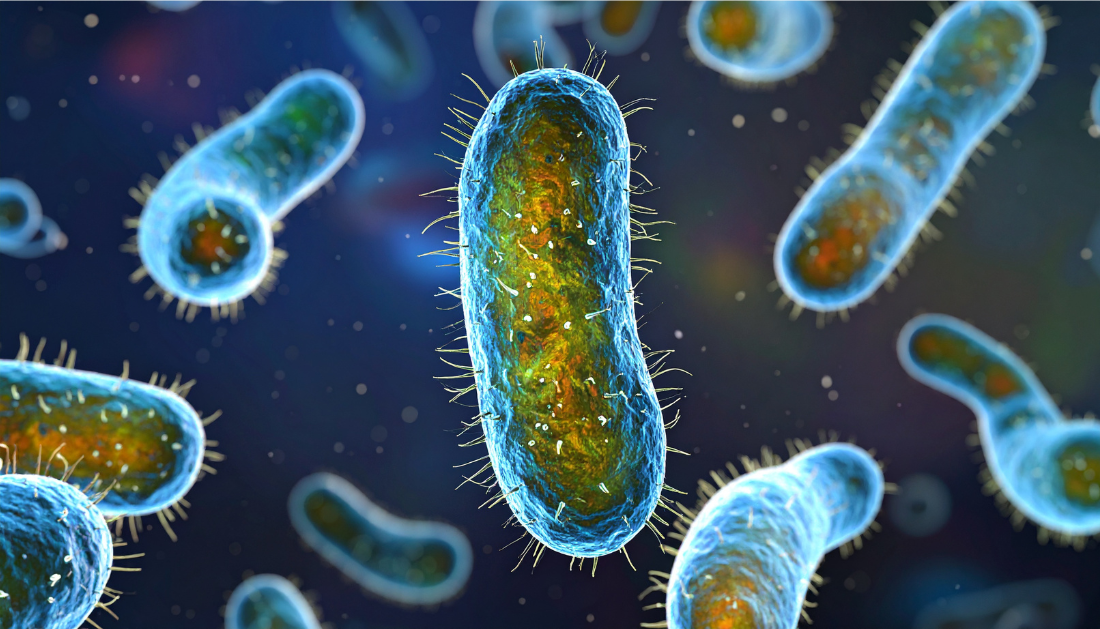
A new study from researchers at Texas A&M University has identified Rickettsia typhi, the bacterium responsible for murine typhus, in cat fleas collected from domestic cats in South Texas. The findings provide valuable evidence that cat fleas may play a role in maintaining the transmission cycle of this flea-borne bacterial disease in regions where human infections continue to occur.
Murine typhus remains an important public health concern in South Texas, where more than 6,700 human cases have been reported between 2008 and 2023. Unlike the historical transmission cycle that primarily involved rats and rat fleas, current evidence suggests that domestic and stray cats, along with their fleas, may now contribute to disease circulation.
Researchers examined fleas collected from 167 domestic cats in the Rio Grande Valley and detected R. typhi DNA in fleas from six animals. Although the proportion was relatively small, the study fills an important knowledge gap regarding pathogen circulation in one of the state’s highest-risk regions.
Beyond Rickettsia typhi, investigators also detected Bartonella henselae and Bartonella clarridgeiae, two bacterial pathogens associated with cat scratch disease. The presence of multiple zoonotic pathogens in cat fleas highlights the broader veterinary and public health significance of flea surveillance.
The study did not demonstrate direct transmission from cats to humans. Instead, it provides evidence that infected flea populations may serve as an important component of the disease ecology. Humans become accidental hosts when infected fleas seek blood meals after feeding on animal hosts such as cats or opossums.
Researchers noted that increasing populations of pet, stray, and feral cats, limited access to affordable flea prevention, and warmer environmental conditions may all contribute to persistent flea infestations and ongoing murine typhus transmission in South Texas.
The findings reinforce the importance of the One Health framework, which recognizes the close relationship between human, animal, and environmental health. Understanding interactions among flea vectors, animal reservoirs, wildlife, and people is essential for improving surveillance and reducing zoonotic disease risk.
Although cats rarely develop severe illness from R. typhi, veterinarians recommend routine flea prevention to protect both pets and people. Keeping cats indoors, minimizing contact with wildlife, and maintaining consistent flea control can reduce opportunities for infected fleas to spread disease.
Researchers believe additional surveillance is needed to determine how murine typhus circulates among pet, stray, and feral animal populations. Continued monitoring will help healthcare professionals, veterinarians, and public health agencies better assess changing transmission patterns and strengthen prevention strategies for this re-emerging infectious disease.

 Gamma Oscillations Restored in Alzheimer’s Disease Mice
Key takeaways Researchers restored parvalbumin (PV).
 Coffee Consumption Linked to Lower Recurrent VTE Risk
Key points at a glance Study.
 Body Roundness Index Linked to Higher Heart Attack Risk
Key findings at a glance Study.
 Maternal Diet Fails to Reduce Infant Egg and Peanut Allergy
Key Points A large Australian randomized.
 Visual Impairment Linked to Higher Dementia Risk
Key findings at a glance A.
 Long-Acting HIV Treatment May Help Drug-Resistant Cases
Key Takeaways A UCSF study found.
 Night Shift Work Alters Key Circadian Gene Expression
A recent study published in Frontiers.
 Tirzepatide Weight Loss: Fat Mass and Muscle Findings
Key points Tirzepatide was associated with.
 Coffee and Gut Microbiome: Brewing and Metabolic Effects
Key Points Coffee contains caffeine, chlorogenic.
 Low-Dose Radiation Therapy Shows Promise in Early Knee OA
Key Points Low-dose radiation therapy was.
Leave a Comment