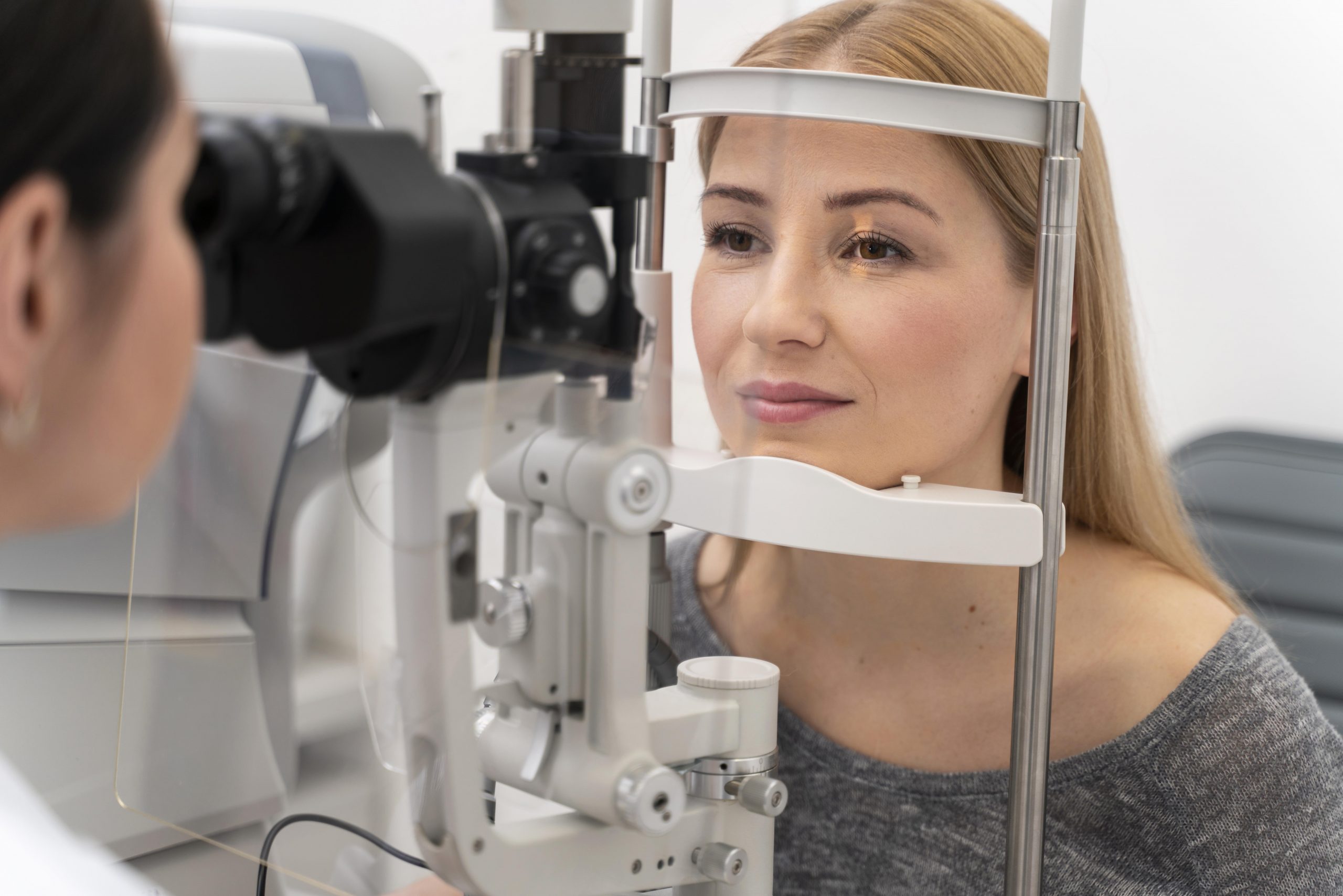
Image by Freepik

The Army Medical University, the Luzhou Maternal and Child Health Hospital, and a group of medical researchers from the University of Electronic Science and Technology of China have discovered a link between immune cells in the gut and glaucoma-related damage to the retina. The team examined the interactions between the protein integrin 7 and CD4+ T cell activity in their study, which was published in the journal Science Translational Medicine.
Although there is no known cure for glaucoma, there are therapies that can lessen the damage it can cause, making it one of the major causes of blindness. It is a disorder where the optic nerve and retinal ganglion cells are harmed. One of the symptoms of glaucoma, decreased intraocular pressure, is the goal of the majority of treatments.
Although earlier studies have suggested that T cells may be involved in glaucoma damage, the exact mechanism has largely remained unknown. The research team believed that CD4+ T cells might contribute to the illness in this latest endeavor.
They started by analyzing blood samples from 519 glaucoma patients and discovered that individuals with greater levels of CD4+ T cells had worse eye damage.
Integrin 7, a protein that is produced by the ITGB7 gene, is expressed by CD4+ T cells in the stomach of mice. They also discovered that when the CD4+ T cells were carried via the blood, the stomach altered them in a way that allowed them to use integrin 7 to get access to the retina and attack retinal ganglion cells.
The scientists provided test mice antibodies that stopped the cells from connecting with a protein known as MAdCAM-1 in order to understand more about the relationship between CD4+ T cells and glaucoma damage. This resulted in a decrease in ocular inflammation and retinal damage.
The group claims that in addition to showing a connection between gut immune cells and glaucoma damage, their work also emphasizes the potential significance of the immune system in conditions like glaucoma.

 Tirzepatide Weight Loss: Fat Mass and Muscle Findings
Key points Tirzepatide was associated with.
 Coffee and Gut Microbiome: Brewing and Metabolic Effects
Key Points Coffee contains caffeine, chlorogenic.
 Low-Dose Radiation Therapy Shows Promise in Early Knee OA
Key Points Low-dose radiation therapy was.
 Oral Hormone Replacement Therapy Raises Blood Clot Risk
Key Points Oral hormone replacement therapy.
 GLP-1 Health Information: Quality, Completeness, & Engagement
Key Points A study assessed 128.
 DNA Damage Response May Drive Biological Aging
Key Points Chronic DNA damage response.
 Maternal Diet Fails to Reduce Infant Egg and Peanut Allergy
Key Points A large Australian randomized.
 Psychedelic-Assisted Psychotherapy: Music in Treatment
Key Takeaways Psychedelic-assisted psychotherapy combines psychedelic.
 Cardiovascular Frailty Links Heart Health and Aging
Key Points Cardiovascular frailty may connect.
 Laser Blended Vision: Simple Test Predicts Success
Key Points A simple phoropter-based test.
Leave a Comment