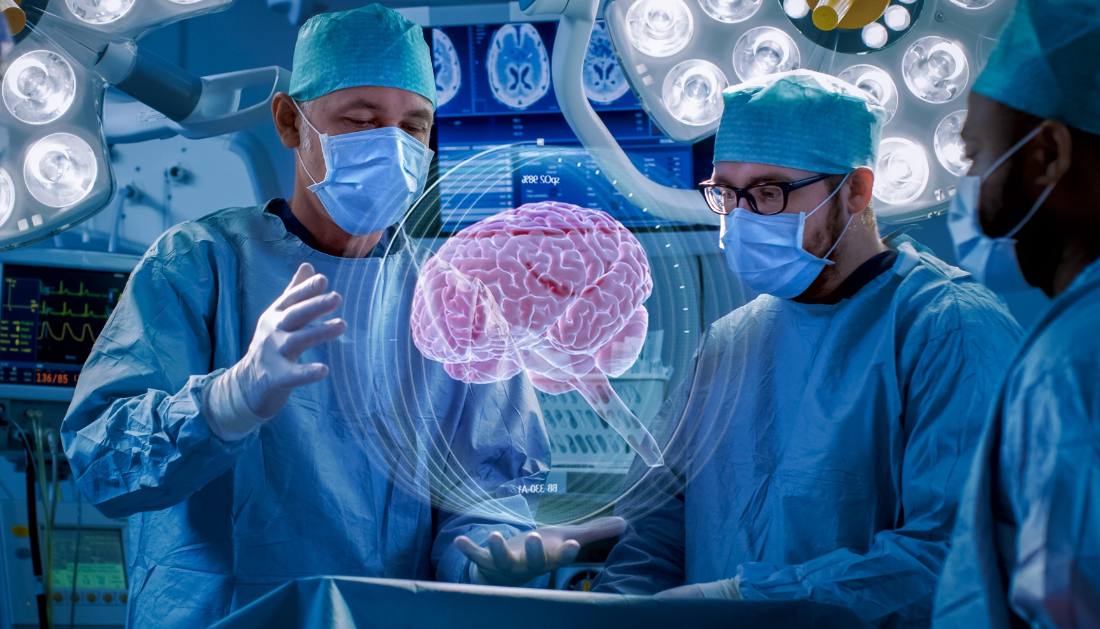
STUDY: Investigating the potential for independence after traumatic brain injury and life-sustaining treatment withdrawal.

According to a recent study published in the peer-reviewed Journal of Neurotrauma, over 30% of traumatic brain injury (TBI) patients who did not receive life-sustaining treatment (WLST) were able to regain some degree of independence.
Yelena Bodien, PhD, of Harvard Medical School and Massachusetts Hospital, together with her coauthors, issued a warning, stating that when the likelihood of WLST is high, death or serious disability is a frequent consequence. In patients who passed away following WLST, the authors looked into the chances of survival and independent recovery following severe traumatic brain injury. They made a comparison between acute TBI patients who passed away following WLST and those who did not have WLST removed.
Traditionally, decisions surrounding WLST withdrawal for TBI patients have been guided by the assumption of poor prognosis. This often leads families to opt for withdrawal, fearing a prolonged state of minimal consciousness or severe disability for their loved one. However, Dr. Bodien’s study challenges this notion. By demonstrating a significant possibility of regaining independence even after WLST is withheld, the research suggests the need for revised communication strategies. Doctors should focus on presenting a more nuanced prognosis, outlining the potential for meaningful recovery alongside the risks involved in forgoing WLST. This would empower families to make informed decisions based on a more complete picture of their loved one’s potential future.
“Our results support recent calls for a cautionary approach toward early WLST after acute TBI and suggest that a lifetime in a vegetative state or with a lower severe disability is not a common outcome, even after a very serious injury,” stated the investigators.
“My congratulations to Dr. Bodien and colleagues for this carefully articulated communication. Their findings have important implications for the practice of critical care medicine around the world. Everyone who is involved in the care of patients with acute ‘severe’ traumatic brain injury should read this article carefully.” – David L. Brody, MD, PhD, Editor-in-Chief of Journal of Neurotrauma
For more information: Recovery Potential in Patients Who Died After Withdrawal of Life-Sustaining Treatment: A TRACK-TBI Propensity Score Analysis, Journal of Neurotrauma, doi.org/10.1089/neu.2024.0014

 Brain-Computer Interface Uses EEG in Unresponsive Patients
Key findings at a glance Mind-controlled.
 Gamma Oscillations Restored in Alzheimer’s Disease Mice
Key takeaways Researchers restored parvalbumin (PV).
 Coffee Consumption Linked to Lower Recurrent VTE Risk
Key points at a glance Study.
 Body Roundness Index Linked to Higher Heart Attack Risk
Key findings at a glance Study.
 Maternal Diet Fails to Reduce Infant Egg and Peanut Allergy
Key Points A large Australian randomized.
 Visual Impairment Linked to Higher Dementia Risk
Key findings at a glance A.
 Long-Acting HIV Treatment May Help Drug-Resistant Cases
Key Takeaways A UCSF study found.
 Night Shift Work Alters Key Circadian Gene Expression
A recent study published in Frontiers.
 Tirzepatide Weight Loss: Fat Mass and Muscle Findings
Key points Tirzepatide was associated with.
 Coffee and Gut Microbiome: Brewing and Metabolic Effects
Key Points Coffee contains caffeine, chlorogenic.
Leave a Comment