
CTNNB1 Syndrome Study Explores Beta-Catenin Defects

On Rare Disease Day, researchers from the Biofisika Institute highlighted progress in a national project focused on CTNNB1 neurodevelopmental syndrome, a rare condition caused by pathogenic variants in the beta-catenin protein. Although fewer than 50 patients have been identified in Spain, rare diseases collectively affect nearly three million individuals nationwide, underscoring the broader public health relevance.
The study is led by Sonia Bañuelos, who also teaches biochemistry and molecular biology at the University of the Basque Country. Her team aims to clarify how CTNNB1 mutations interfere with normal brain formation at the molecular level.
Beta-catenin is a multifunctional protein essential for cell adhesion and synaptic plasticity, processes critical during embryonic brain development and ongoing neural function. In CTNNB1 syndrome, most genetic variants result in truncated or misfolded proteins, impairing their interaction with cadherins and destabilizing neural tissue architecture.
To address this, the Biofisika Institute collaborates with neuropsychology specialists from the University of Deusto, molecular geneticists at the Biobizkaia Institute, and the brain organoid platform at the Achucarro Neuroscience Center. The Spanish Association of CTNNB1 Syndrome Patients also plays an active role, ensuring patient-centered research priorities.
Using AI-supported structural protein analysis, researchers predict how specific CTNNB1 mutations alter beta-catenin–cadherin binding. These predictions are experimentally validated through biophysical assays using mutant proteins produced in bacterial systems.
To bridge molecular findings with neurodevelopmental outcomes, brain organoids are employed to model how these defects influence nervous tissue formation. While the work is foundational, it may guide rational therapy design in the future.
For clinicians and researchers, this study reinforces the importance of mechanism-driven rare disease research. As Dr. Bañuelos notes, understanding disease biology is a prerequisite for any therapeutic strategy, especially in genetically complex neurodevelopmental disorders.

 Gamma Oscillations Restored in Alzheimer’s Disease Mice
Key takeaways Researchers restored parvalbumin (PV).
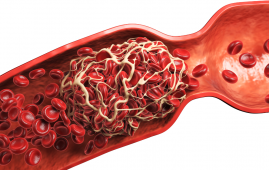 Coffee Consumption Linked to Lower Recurrent VTE Risk
Key points at a glance Study.
 Body Roundness Index Linked to Higher Heart Attack Risk
Key findings at a glance Study.
 Maternal Diet Fails to Reduce Infant Egg and Peanut Allergy
Key Points A large Australian randomized.
 Visual Impairment Linked to Higher Dementia Risk
Key findings at a glance A.
 Long-Acting HIV Treatment May Help Drug-Resistant Cases
Key Takeaways A UCSF study found.
 Epilepsy Drugs May Interact With Hormonal Contraceptives
Key points: Nearly one-third of people.
 Night Shift Work Alters Key Circadian Gene Expression
A recent study published in Frontiers.
 Tirzepatide Weight Loss: Fat Mass and Muscle Findings
Key points Tirzepatide was associated with.
 Coffee and Gut Microbiome: Brewing and Metabolic Effects
Key Points Coffee contains caffeine, chlorogenic.
Leave a Comment