
post amputation Pain Varies by Movement and Prosthetic Design

A recent study examining post amputation pain highlights the complexity of pain experienced by people with lower limb loss. Investigators from the University of Colorado Anschutz Medical Campus analyzed pain patterns among 83 adults with unilateral transfemoral or transtibial amputations, assessing symptoms both at rest and during real-world movement.
The findings reveal that most patients experience multiple pain types simultaneously, each with distinct triggers and functional implications. Traditionally, clinical assessments rely on a single overall pain rating, but the research suggests this method may overlook meaningful differences between pain sources.
Three major pain categories were identified:
For healthcare professionals, distinguishing between these pain patterns could provide clearer insights into functional limitations and treatment strategies for individuals living with limb loss.
The study also highlights how activity levels and prosthetic design affect pain intensity and patterns.
Patients using traditional socket prostheses experienced significant increases in musculoskeletal pain during walking and daily movement. Researchers believe this may stem from changes in gait mechanics and uneven load distribution during ambulation.
Residual limb pain was also closely associated with reduced ability to perform everyday tasks among users of socket prostheses. Pressure and friction at the socket interface may contribute to discomfort and reduced quality of life.
In contrast, individuals using bone-anchored limb (BAL) systems, also known as osseointegrated prostheses, reported more stable pain levels during activity. Pain in this group was less strongly linked to physical movement, suggesting that the design may reduce mechanical stress during mobility.
Notably, phantom limb pain demonstrated inconsistent patterns and did not reliably increase during physical activity, particularly among individuals with osseointegrated prostheses.
The research emphasizes the importance of separate pain assessments in post amputation care. For clinicians in physical medicine, rehabilitation, and prosthetics, detailed pain profiling may help guide more targeted treatment strategies.
Potential clinical interventions include:
Because pain often determines whether patients remain active and independent, identifying the precise source of discomfort could improve mobility, daily function, and long-term quality of life.
With nearly two million Americans living with limb loss, and numbers projected to increase, this research underscores the need for personalized pain management strategies in modern amputation rehabilitation.

 Night Shift Work Alters Key Circadian Gene Expression
A recent study published in Frontiers.
 Tirzepatide Weight Loss: Fat Mass and Muscle Findings
Key points Tirzepatide was associated with.
 Coffee and Gut Microbiome: Brewing and Metabolic Effects
Key Points Coffee contains caffeine, chlorogenic.
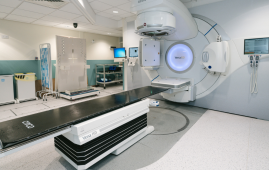 Low-Dose Radiation Therapy Shows Promise in Early Knee OA
Key Points Low-dose radiation therapy was.
 Oral Hormone Replacement Therapy Raises Blood Clot Risk
Key Points Oral hormone replacement therapy.
 GLP-1 Health Information: Quality, Completeness, & Engagement
Key Points A study assessed 128.
 DNA Damage Response May Drive Biological Aging
Key Points Chronic DNA damage response.
 Dietary Polyphenol Intake Associated With Lower MCI Odds
Key Points Older adults without mild.
 Maternal Diet Fails to Reduce Infant Egg and Peanut Allergy
Key Points A large Australian randomized.
 Psychedelic-Assisted Psychotherapy: Music in Treatment
Key Takeaways Psychedelic-assisted psychotherapy combines psychedelic.
Leave a Comment