
saRNA Therapy Could Improve Heart Attack Recovery

A new heart attack recovery strategy could transform post-infarction care by using a single injection that stimulates the body’s own protective hormone production. Researchers led by Ke Huang have demonstrated that a one-time injection into skeletal muscle can trigger the release of atrial natriuretic peptide (ANP) for several weeks, helping the heart manage stress during a critical healing period.
The research, reported in Science (journal), highlights how RNA-based therapeutic approaches may support cardiac repair after myocardial injury.
After a heart attack, damaged heart tissue struggles to function normally. The body releases atrial natriuretic peptide (ANP) to reduce cardiac pressure and regulate fluid balance, but natural levels are often too low to significantly aid recovery.
The experimental therapy uses self-amplifying RNA (saRNA) delivered via injection into skeletal muscle. Once inside the cells, the RNA temporarily instructs them to produce ANP, which then travels through the bloodstream to the heart to reduce stress and support healing.
Because saRNA briefly replicates its instructions, it can provide a longer-lasting effect without requiring large doses. For clinicians and researchers, this approach may help reinforce the body’s natural cardiac defense mechanisms during the vulnerable post-infarction period.
Cardiac remodeling and scarring remain major concerns after myocardial infarction, often leading to progressive cardiac weakening and heart failure. Earlier research by Ke Huang explored a microneedle patch placed directly on the heart to deliver healing molecules, identifying the NPR1 signaling pathway as a key driver of immune regulation and tissue repair.
Because atrial natriuretic peptide (ANP) naturally activates the NPR1 receptor, the new injection strategy increases ANP levels during the early recovery window. This approach aims to reduce inflammation, preserve healthy heart muscle, and maintain cardiac function.
The transition from a surgical patch to a standard injection could make this therapy more practical for routine clinical care.
The study was conducted through collaboration among Texas A&M University, Columbia University, and the University of Oxford. Researchers will now focus on evaluating safety, optimal dosing, and treatment timing before beginning human clinical trials.
If future studies confirm its effectiveness, the therapy could become a practical tool for cardiologists and cardiovascular care teams, offering a simple intervention that supports cardiac healing for weeks after a heart attack.
For healthcare professionals, the concept illustrates how RNA-based therapies may reshape post-infarction treatment strategies, potentially improving long-term cardiac outcomes with a single dose.

 Night Shift Work Alters Key Circadian Gene Expression
A recent study published in Frontiers.
 Tirzepatide Weight Loss: Fat Mass and Muscle Findings
Key points Tirzepatide was associated with.
 Coffee and Gut Microbiome: Brewing and Metabolic Effects
Key Points Coffee contains caffeine, chlorogenic.
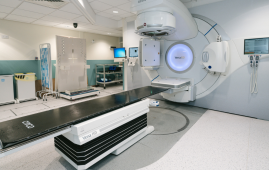 Low-Dose Radiation Therapy Shows Promise in Early Knee OA
Key Points Low-dose radiation therapy was.
 Oral Hormone Replacement Therapy Raises Blood Clot Risk
Key Points Oral hormone replacement therapy.
 GLP-1 Health Information: Quality, Completeness, & Engagement
Key Points A study assessed 128.
 DNA Damage Response May Drive Biological Aging
Key Points Chronic DNA damage response.
 Maternal Diet Fails to Reduce Infant Egg and Peanut Allergy
Key Points A large Australian randomized.
 Psychedelic-Assisted Psychotherapy: Music in Treatment
Key Takeaways Psychedelic-assisted psychotherapy combines psychedelic.
 Cardiovascular Frailty Links Heart Health and Aging
Key Points Cardiovascular frailty may connect.
Leave a Comment