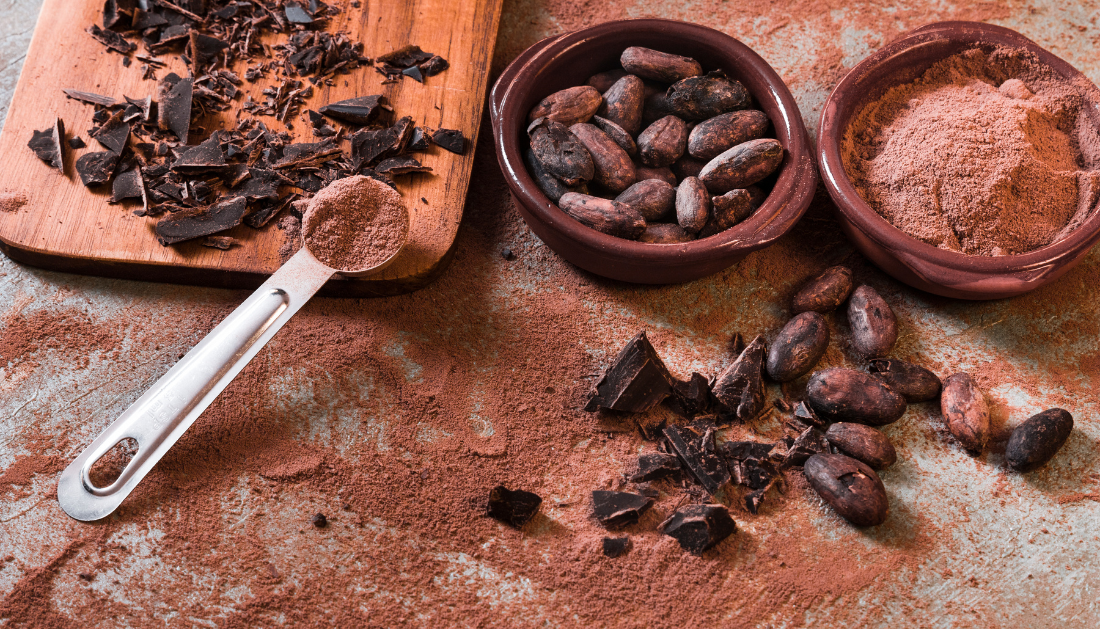
Study: Cocoa flavanols rescue stress-induced declines in endothelial function after a high-fat meal, but do not affect cerebral oxygenation during stress in young, healthy adults

Cocoa Flavonols on combatting Stress: Stress and bad dietary choices frequently coexist, resulting in a vicious cycle that can harm cardiovascular health. Acute emotional stress has been shown to alter vascular function, increasing the risk of cardiovascular disease over time.
This problem is exacerbated when stressed people eat high-fat foods, which have been linked to delayed vascular repair. A recent study published in Food & Function looked at whether cocoa flavonols—compounds found in specific fruits, vegetables, and cocoa products—could counteract these negative effects.
The randomized, double-blind, crossover trial included 23 young, healthy adults who were served a high-fat meal (56.5 g of fat) with either high-flavonol or low-flavonol chocolate.
The participants next completed an acute stress challenge intended to simulate real-world mental stress. The researchers examined vascular and cerebral parameters before and after the stress test to assess cocoa flavonols’ preventive potential.
Stress has long been associated with acute and chronic cardiovascular issues. Mental stress can produce transitory endothelial dysfunction, as seen by reduced flow-mediated dilatation (FMD) of the brachial artery.
FMD assesses how well blood vessels dilate in response to increasing blood flow, which is an important sign of vascular health. A 1% decrease in FMD has been linked to a 9-13% increase in future cardiovascular events like heart attack or stroke.
Stress also alters eating behavior, generally leading to increased consumption of high-fat and sugary foods. These food choices not only increase weight gain, but they also worsen stress-related vascular dysfunction.
Fat consumption during stressful times has been demonstrated to impede endothelium healing, delaying the return to normal vascular function following a stressful incident.

 Low-Dose Radiation Therapy Shows Promise in Early Knee OA
Key Points Low-dose radiation therapy was.
 Oral Hormone Replacement Therapy Raises Blood Clot Risk
Key Points Oral hormone replacement therapy.
 GLP-1 Health Information: Quality, Completeness, & Engagement
Key Points A study assessed 128.
 DNA Damage Response May Drive Biological Aging
Key Points Chronic DNA damage response.
 Maternal Diet Fails to Reduce Infant Egg and Peanut Allergy
Key Points A large Australian randomized.
 Psychedelic-Assisted Psychotherapy: Music in Treatment
Key Takeaways Psychedelic-assisted psychotherapy combines psychedelic.
 Cardiovascular Frailty Links Heart Health and Aging
Key Points Cardiovascular frailty may connect.
 Laser Blended Vision: Simple Test Predicts Success
Key Points A simple phoropter-based test.
 Pink Noise Boosts Brain Waste Clearance During Sleep
Key Points Pink noise delivered during.
 Psilocybin Microdosing Research Raises Key Questions
Key points: Psilocybin microdosing research shows.
Leave a Comment