
CDC Links Human-to-Cat Transmission of Bird Flu

A new study published in the Morbidity and Mortality Weekly Report by the U.S. Centers for Disease Control and Prevention (CDC) suggests that household cats can contract deadly bird flu (H5N1) from infected humans.
Two Michigan cases in May 2024 documented fatal bird flu infections in domestic cats living with dairy farmworkers. This finding raises urgent concerns about viral mutation and pandemic risks as avian influenza continues to spread among birds and mammals.
Symptoms & Progression:
Household Exposure:
Symptoms & Exposure:
Possible transmission routes:
Experts fear that continued virus circulation among mammals could lead to a strain capable of human-to-human transmission.
Current Stats in the U.S.:
CDC advises farm workers to change clothes and wash thoroughly before entering homes to reduce transmission risks.
This study highlights the urgent need for stricter biosecurity measures to prevent further spillover from animals to humans. As bird flu spreads across species, rapid surveillance, protective measures, and vaccination strategies could be crucial in preventing a future pandemic.
More Information: Ramya Naraharisetti et al, Highly Pathogenic Avian Influenza A(H5N1) Virus Infection of Indoor Domestic Cats Within Dairy Industry Worker Households — Michigan, May 2024, MMWR. Morbidity and Mortality Weekly Report (2025). DOI: 10.15585/mmwr.mm7405a2

 Smoking and Loneliness Linked in Large European Study
Key points: A Europe-wide study of.
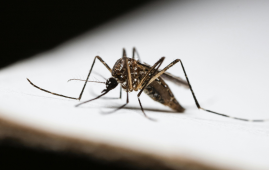 Malaria Vaccination Turns Mosquito Bites Into Immune Boosters
Key takeaways: WEHI researchers developed a.
 Lead Exposure in Indoors and Contamination in Soil
Key Points Lead contamination in soil.
 Drinking Water With Meals Linked to Higher Food Intake
Key Points Summary A new Appetite.
 Cyclosporiasis Risk: Who Faces the Highest Threat?
Key Summary Cyclosporiasis cases are increasing.
 EP2 Receptor Research Opens New Path for Healthy Aging
Key Points Researchers identified the EP2.
 Lifestyle Behaviors and Mood Linked in Daily Life Study
Key Points A 70-day diary study.
 England Obesity Prevalence Climbs to 30%, Lancet Study
Key Points A nationwide study of.
 Li-Fraumeni Syndrome Surveillance Improves Survival
Key Summary A Europe-wide study found.
 WHO: Andes Hantavirus Not a COVID-19-Level Threat
Key Summary Andes hantavirus has drawn.
Leave a Comment