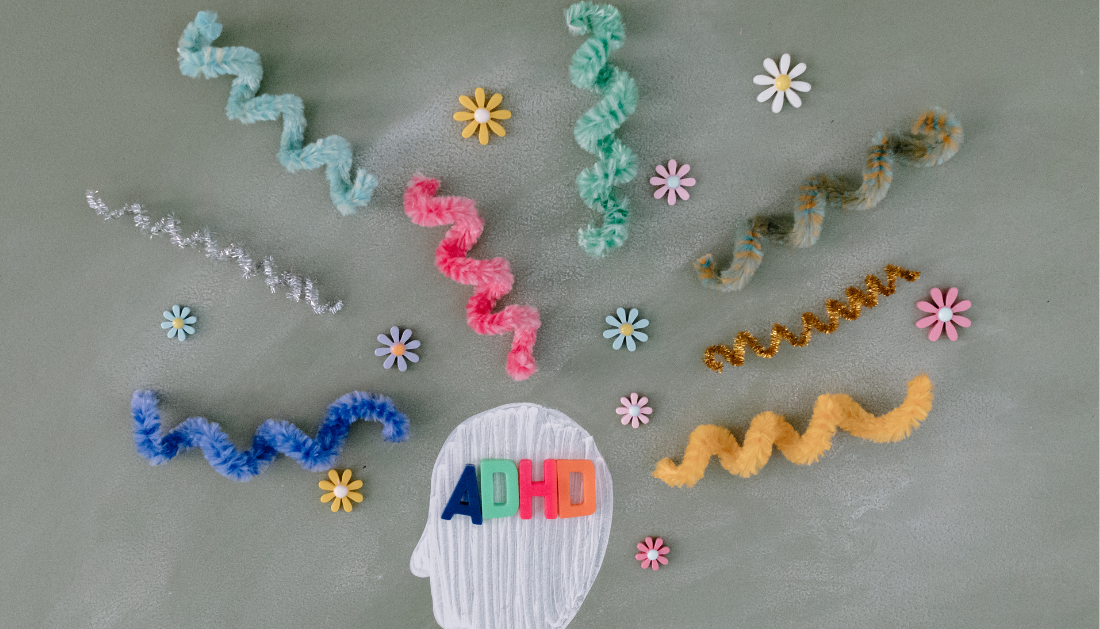
ADHD and Gut Health The Role of Chili Peppers

A recent review in Frontiers in Nutrition suggests that capsaicin, the active compound in chili peppers, may influence ADHD symptoms through its effects on the gut health microbiome and neurotransmitter regulation.
Attention deficit hyperactivity disorder (ADHD) affects millions worldwide, impacting focus, impulse control, and behavior. While medications like methylphenidate and atomoxetine help manage symptoms, they can cause side effects such as mood instability, insomnia, and appetite loss.
Could dietary interventions provide a safer, complementary approach?
Scientists believe gut bacteria play a crucial role in ADHD by influencing dopamine and serotonin production—neurotransmitters essential for mood, attention, and impulse control.
Key findings from gut-brain research:
Chili peppers contain compounds that may enhance gut health and regulate neurotransmitters, potentially improving focus and reducing hyperactivity.
Capsaicin, known for its spicy kick, has been linked to:
Vitamin C in chili peppers may also reduce brain inflammation and oxidative stress, while omega-3 fatty acids found in some varieties may support cognitive function.
Limitations & Concerns:
While chili peppers show promise, they are not a replacement for ADHD medications. However, dietary changes may play a supportive role in managing symptoms. Further clinical trials are needed to determine if capsaicin-based interventions could become a viable ADHD therapy. Join American Neurology Summit 2025 for the latest neurology updates.
More Information: The possible effects of chili peppers on ADHD in relation to the gut microbiota. Li, Y., Feng, J., Ding, G., Deng, L., He, Y., Zhang, Q., Wang, J., Chen, X. Frontiers in Nutrition (2025). DOI: 10.3389/fnut.2025.1551650

 Gamma Oscillations Restored in Alzheimer’s Disease Mice
Key takeaways Researchers restored parvalbumin (PV).
 Coffee Consumption Linked to Lower Recurrent VTE Risk
Key points at a glance Study.
 Body Roundness Index Linked to Higher Heart Attack Risk
Key findings at a glance Study.
 Maternal Diet Fails to Reduce Infant Egg and Peanut Allergy
Key Points A large Australian randomized.
 Visual Impairment Linked to Higher Dementia Risk
Key findings at a glance A.
 Long-Acting HIV Treatment May Help Drug-Resistant Cases
Key Takeaways A UCSF study found.
 Epilepsy Drugs May Interact With Hormonal Contraceptives
Key points: Nearly one-third of people.
 Night Shift Work Alters Key Circadian Gene Expression
A recent study published in Frontiers.
 Tirzepatide Weight Loss: Fat Mass and Muscle Findings
Key points Tirzepatide was associated with.
 Coffee and Gut Microbiome: Brewing and Metabolic Effects
Key Points Coffee contains caffeine, chlorogenic.
Leave a Comment