
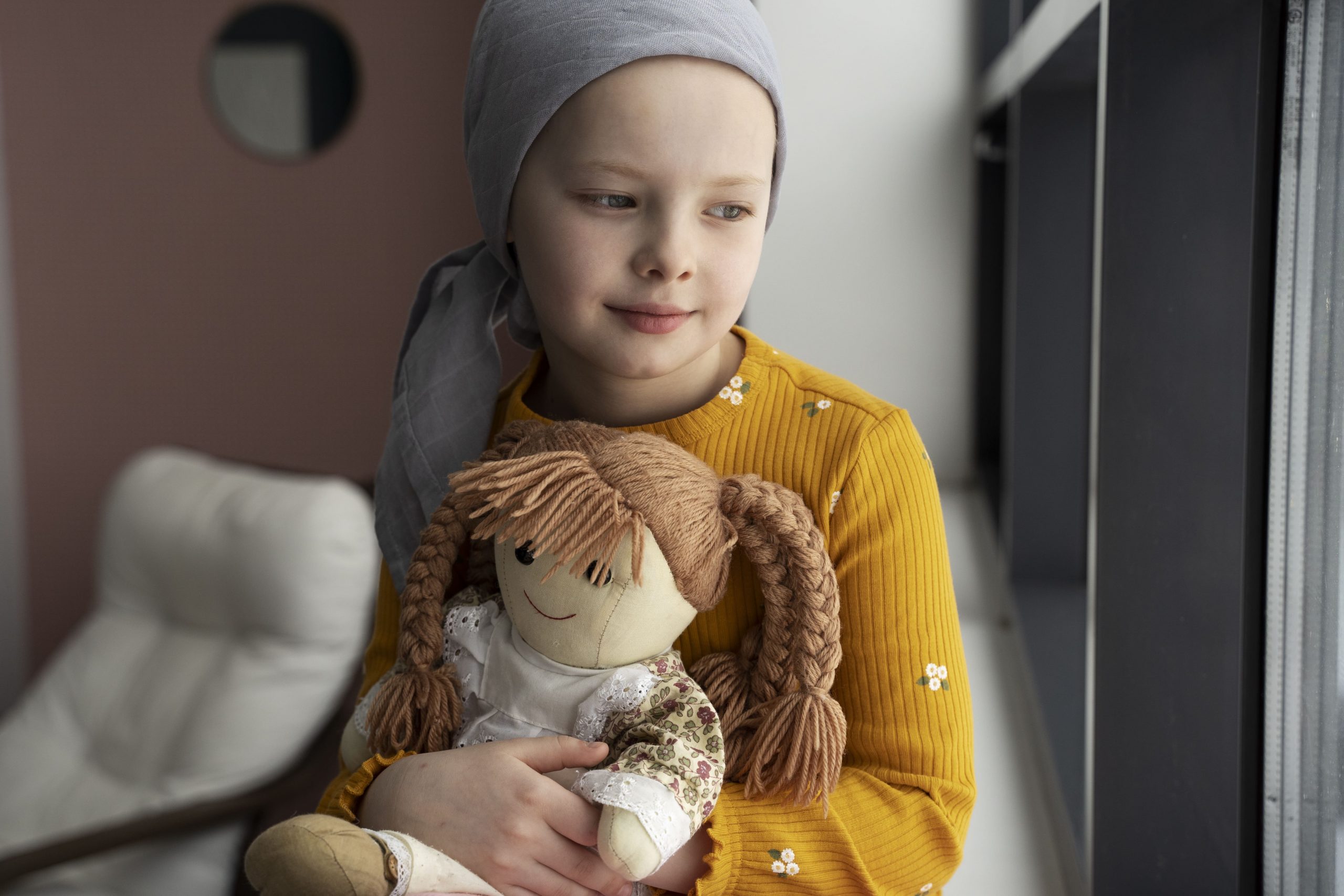
Delays in childhood cancer diagnosis remain a critical concern, especially for teenagers and patients with specific tumor types like bone tumors, according to a major new study by the University of Nottingham. Published in The Lancet Regional Health – Europe and funded by the National Institute for Health and Care Research (NIHR), the study sheds light on diagnostic inequalities not by access but by age and cancer type.
Study Reveals Disparities in Cancer Diagnosis Timelines
The Childhood Cancer Diagnosis Study tracked 1,957 young patients (aged 0–18) diagnosed with cancer between September 2020 and March 2023. Researchers led by Dr. Shaarna Shanmugavadivel, Professor Shalini Ojha, and Professor David Walker found that the median time to diagnosis was 4.6 weeks. However, this varied widely:
-
Teenagers (15–18 years): 8.7 weeks
-
Infants under one year: 3.7 weeks
-
Bone tumors: 12.6 weeks
-
Kidney tumors: 2.3 weeks
Notably, sex, ethnicity, and socioeconomic status had no measurable impact on diagnostic timing—marking a significant milestone in ensuring equity in cancer care access.
Barriers in Diagnosis: Tumor Type and Age
Though demographic equality was evident, challenges persist for certain tumor types. Bone, brain, soft tissue tumors, and Langerhans Cell Histiocytosis (LCH) often required more medical visits before diagnosis. These delays increase the risk of tumor progression, necessitating more invasive treatment and potentially worsening outcomes.
Approximately 74% of young patients had 1–3 healthcare visits before diagnosis. Alarmingly, 67% were diagnosed in emergency settings, underscoring a lack of early recognition and timely referral in routine medical consultations.
Path Forward: National Strategy and Awareness Campaigns
Dr. Shanmugavadivel, recently appointed Vice-Chair of the Department of Health and Social Care’s Children and Young People Taskforce, emphasized that earlier diagnosis is vital. The findings will feed into the Child Cancer Smart campaign by CCLG, aiming to improve early diagnosis through education and public awareness.
Ashley Ball-Gamble, CEO of CCLG, noted, “Understanding why teenagers and certain tumor types experience delays is key to improving survival rates.”
This research supports the development of the National Cancer Plan, where policymakers, health professionals, and advocates aim to shorten the time between symptom onset and diagnosis for all children and adolescents.
Time is Crucial in Childhood Cancer
While demographic barriers have been leveled, childhood cancer diagnosis delays still persist in specific groups. The study marks a vital step in identifying where improvements are urgently needed. With coordinated national efforts, the goal is clear: faster diagnoses, more effective treatment, and better outcomes for every child.
For more information: University of Nottingham

more recommended stories
 Pink Noise Boosts Brain Waste Clearance During Sleep
Key Points Pink noise delivered during.
 Psilocybin Microdosing Research Raises Key Questions
Key points: Psilocybin microdosing research shows.
 Maternal Illness Linked to Epigenetic Fetal Brain Changes
Maternal illness during pregnancy may influence.
 SGLT2 Inhibitors Boost Cardiac Energy Through PANK1
Key Points SGLT2 inhibitors directly activate.
 Daraxonrasib Approved for Metastatic Pancreatic Cancer
Key Points FDA approved daraxonrasib (RASONQUE).
 Nicotine E-Cigarettes Help More Smokers Quit Than NRT
Key Points Nicotine e-cigarettes helped more.
 AI Identifies Key Gene Driving Hematopoietic Stem Cell Aging
Key Points AI analysis identified Pbx1.
 Intravenous Iron Improves Recovery After Heart Surgery
Key points A large multicenter randomized.
 Childhood Epilepsy Linked to Lower Educational Achievement
Key Takeaways Childhood epilepsy was associated.
 Laser Treatment for Glioblastoma Shows Survival Benefit
Key Points A multicenter analysis of.
Leave a Comment