Microbial Metabolites Reveal Health Insights

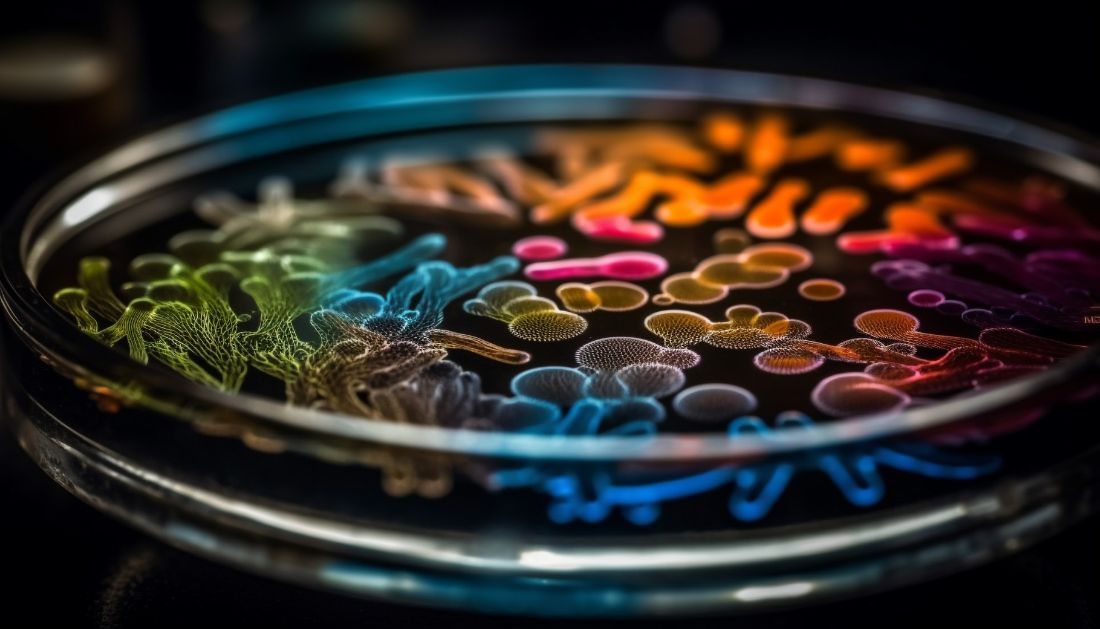
The human body is not just a collection of cells but a dynamic ecosystem teeming with microbes that influence our health in profound ways. In a groundbreaking study, researchers from the University of California San Diego have uncovered hundreds of previously unknown microbial metabolites, significantly advancing our understanding of how the gut microbiome shapes human metabolism.
The study, published in Cell, identified 851 distinct N-acyl lipids, with 777 of them never documented before. These molecules are critical in regulating immune responses and stress management, and many appear to be directly produced by gut microbes. This research highlights how microbial metabolites serve as biochemical messengers between the microbiome and the human host.
The distribution of these newly identified compounds varies based on diet, microbial composition, and disease conditions like diabetes. The presence of short-chain fatty acids—hallmarks of microbial metabolism—strongly suggests that these metabolites are microbial in origin. This discovery may bridge gaps in understanding diseases related to metabolic dysfunction and immune response.
One of the most intriguing findings of the study is the potential link between microbial metabolites, HIV status, and cognitive impairment. While further research is needed, this opens new possibilities for exploring how microbial activity in the gut could influence brain health and neurological disorders.
“This is just the beginning,” says Helena Mannochio Russo, Ph.D., the study’s lead author. Using reverse metabolomics, scientists can now uncover hidden biochemical conversations between humans and their microbes—conversations that hold keys to diagnosing and treating diseases.
The discovery of these new microbial metabolites not only expands our “metabolic dictionary” but also reinforces the crucial role of the gut microbiome in human health. As research continues, the potential for personalized medicine and targeted therapies based on microbial interactions becomes increasingly promising.
For more information: Mannochio-Russo, H., et al. (2025). The microbiome diversifies long- to short-chain fatty acid-derived N-acyl lipids. Cell. doi.org/10.1016/j.cell.2025.05.015.

 Tirzepatide Weight Loss: Fat Mass and Muscle Findings
Key points Tirzepatide was associated with.
 Coffee and Gut Microbiome: Brewing and Metabolic Effects
Key Points Coffee contains caffeine, chlorogenic.
 Low-Dose Radiation Therapy Shows Promise in Early Knee OA
Key Points Low-dose radiation therapy was.
 Oral Hormone Replacement Therapy Raises Blood Clot Risk
Key Points Oral hormone replacement therapy.
 GLP-1 Health Information: Quality, Completeness, & Engagement
Key Points A study assessed 128.
 DNA Damage Response May Drive Biological Aging
Key Points Chronic DNA damage response.
 Maternal Diet Fails to Reduce Infant Egg and Peanut Allergy
Key Points A large Australian randomized.
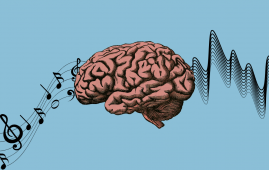 Psychedelic-Assisted Psychotherapy: Music in Treatment
Key Takeaways Psychedelic-assisted psychotherapy combines psychedelic.
 Cardiovascular Frailty Links Heart Health and Aging
Key Points Cardiovascular frailty may connect.
 Laser Blended Vision: Simple Test Predicts Success
Key Points A simple phoropter-based test.
Leave a Comment