A simple blood test identifies ALS with accuracy

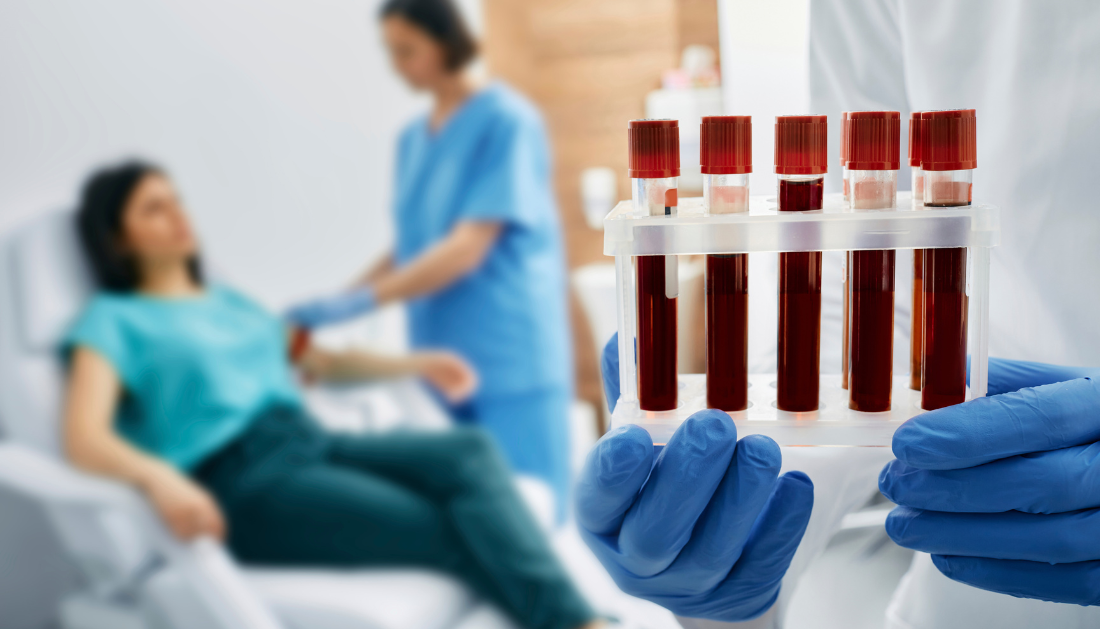
A UCLA Health study published in Genome Medicine reveals that measuring cell-free DNA (cfDNA) in the blood could allow for earlier and more accurate ALS diagnosis. The test differentiates ALS from other neurological disorders and gauges disease severity, offering neurologists a noninvasive diagnostic tool that may improve care and survival outcomes.
A team at UCLA Health, in collaboration with the University of Queensland, has developed a simple blood test that measures cell-free DNA, fragments shed into the bloodstream by dying cells, to identify amyotrophic lateral sclerosis (ALS) more quickly and accurately.
Published in Genome Medicine, the study introduces cell-free DNA (cfDNA) as a potential biomarker for ALS, showing that distinct DNA methylation patterns can signal neurodegenerative activity in ALS patients. The findings could help neurologists detect disease earlier, differentiate ALS from other motor neuron disorders, and make treatment decisions sooner.
ALS, or Lou Gehrig’s disease, progressively destroys motor neurons in the brain and spinal cord, leading to muscle weakness and respiratory failure. Most patients are diagnosed between the ages of 50–70, with a life expectancy of just 2–5 years after diagnosis. Current diagnostic approaches rely on exclusion, ruling out other conditions, which delays intervention.
Lead author Dr. Christa Caggiano, postdoctoral fellow at UCLA’s Neurology Department, emphasized the need for a reliable biomarker:
“Our study presents cell-free DNA, combined with a machine learning model, as a promising candidate to fill this gap.”
The research showed that cfDNA-based signatures not only distinguish ALS patients from healthy individuals but also from those with other neurological diseases, an advancement over existing biomarkers.
The cfDNA test also revealed unique signals from muscle and immune cells, underscoring ALS’s systemic impact beyond motor neurons. By integrating these molecular patterns with machine learning models, researchers achieved accurate classification of disease presence and severity.
This noninvasive diagnostic method could:
However, researchers caution that larger, diverse clinical studies are needed before the test becomes standard practice. UCLA Health and its partners are currently conducting expanded validation trials.
For neurologists, nurse specialists, and clinical researchers, this emerging biomarker could soon enhance diagnostic confidence and accelerate therapeutic interventions for ALS. Continued collaboration between clinical and molecular researchers may be key to bringing this test into real-world neurology practice.

 Pink Noise Boosts Brain Waste Clearance During Sleep
Key Points Pink noise delivered during.
 Psilocybin Microdosing Research Raises Key Questions
Key points: Psilocybin microdosing research shows.
 Maternal Illness Linked to Epigenetic Fetal Brain Changes
Maternal illness during pregnancy may influence.
 Rett Syndrome: Carotid Body Linked to Breathing Dysfunction
Key Points Rett syndrome is associated.
 SGLT2 Inhibitors Boost Cardiac Energy Through PANK1
Key Points SGLT2 inhibitors directly activate.
 Daraxonrasib Approved for Metastatic Pancreatic Cancer
Key Points FDA approved daraxonrasib (RASONQUE).
 Nicotine E-Cigarettes Help More Smokers Quit Than NRT
Key Points Nicotine e-cigarettes helped more.
 AI Identifies Key Gene Driving Hematopoietic Stem Cell Aging
Key Points AI analysis identified Pbx1.
 Alzheimer’s Disease Blood Test Receives FDA Clearance
Key Points FDA clears PrecivityAD2, a.
 Intravenous Iron Improves Recovery After Heart Surgery
Key points A large multicenter randomized.
Leave a Comment