
Night Shifts and Irritable Bowel Syndrome: Key Findings

Recent research involving over 266,000 UK adults has highlighted a concerning association between permanent night shift work and irritable bowel syndrome (IBS). Published in Frontiers in Public Health, the study shows that consistent night shifts can disrupt the circadian rhythm, impair gastrointestinal function, and increase the likelihood of developing IBS. For healthcare professionals, nurses, and allied health staff, these findings emphasize the importance of monitoring digestive health in colleagues and patients who work nonstandard schedules.
IBS is a common gastrointestinal disorder marked by abdominal pain, bloating, and irregular bowel habits, including constipation and diarrhea. The global prevalence of IBS ranges from 0.2% to 7.6%, depending on regional demographics and population characteristics. Chronic symptoms can significantly affect quality of life, reduce workplace productivity, and complicate daily routines. Although the exact cause is unclear, factors such as visceral hypersensitivity, gut microbiota imbalance, impaired gut-brain signaling, intestinal barrier dysfunction, low-grade inflammation, and neuroendocrine disturbances are thought to contribute to disease onset.
The circadian system, our internal biological clock, regulates 24-hour cycles of metabolism, hormone secretion, immune function, and gastrointestinal motility. Permanent night shifts create a mismatch between internal rhythms and external light-dark cycles, leading to metabolic disturbances, altered gastrointestinal transit, and dysbiosis of gut microbiota. These physiological changes may collectively elevate the risk of IBS.
The Jiaotong University team analyzed 266,605 participants from the UK Biobank over nine years. Participants with a prior diagnosis of IBS, coeliac disease, or gluten sensitivity were excluded to minimize bias. During follow-up, researchers documented 5,218 new IBS cases. Findings revealed that individuals who consistently worked night shifts had a 36% higher risk of developing IBS (hazard ratio: 1.36), particularly those with a body mass index (BMI) over 25, classified as overweight or obese. Intermittent or rotating night shifts did not show a significant increase in risk, highlighting the specific danger of permanent night schedules.
Permanent night shifts can suppress melatonin, a hormone that regulates sleep and provides protective effects in the gastrointestinal tract. Night shifts may also trigger low-grade intestinal inflammation, irregular eating patterns, and reduced physical activity, which are all factors that exacerbate digestive issues. Overweight or obese workers face additional risks due to altered intestinal transit, increased consumption of processed foods, and systemic low-grade inflammation.
Healthcare providers and nurse managers should proactively screen night shift workers for gastrointestinal symptoms and advise lifestyle adjustments, including consistent sleep-wake schedules, balanced nutrition, regular physical activity, and weight management strategies. While the observational study cannot definitively establish causation, the findings emphasize occupational health vigilance and the importance of preventive interventions.

 Tirzepatide Weight Loss: Fat Mass and Muscle Findings
Key points Tirzepatide was associated with.
 Coffee and Gut Microbiome: Brewing and Metabolic Effects
Key Points Coffee contains caffeine, chlorogenic.
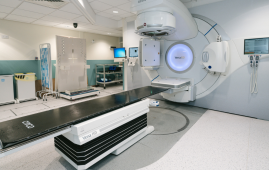 Low-Dose Radiation Therapy Shows Promise in Early Knee OA
Key Points Low-dose radiation therapy was.
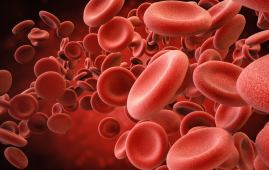 Oral Hormone Replacement Therapy Raises Blood Clot Risk
Key Points Oral hormone replacement therapy.
 GLP-1 Health Information: Quality, Completeness, & Engagement
Key Points A study assessed 128.
 DNA Damage Response May Drive Biological Aging
Key Points Chronic DNA damage response.
 Maternal Diet Fails to Reduce Infant Egg and Peanut Allergy
Key Points A large Australian randomized.
 Psychedelic-Assisted Psychotherapy: Music in Treatment
Key Takeaways Psychedelic-assisted psychotherapy combines psychedelic.
 Cardiovascular Frailty Links Heart Health and Aging
Key Points Cardiovascular frailty may connect.
 Laser Blended Vision: Simple Test Predicts Success
Key Points A simple phoropter-based test.
Leave a Comment