
Endometriosis Risk Reduced with Mediterranean Diet

A recent study published in Scientific Reports indicates that adherence to a Mediterranean diet is associated with dramatically lower odds of endometriosis in women. Researchers observed that women who consistently consumed a plant-based, nutrient-rich Mediterranean diet had up to 94% lower odds of developing the condition. While causality cannot be established due to the observational nature of the study, these findings underscore the potential role of diet in reducing systemic inflammation and supporting reproductive health.
Endometriosis is a chronic, estrogen-dependent disorder affecting roughly 10% of women of reproductive age, characterized by the growth of uterine-like tissue outside the uterus, commonly in the pelvic cavity. It often leads to pelvic pain, dysmenorrhea, and infertility, presenting a significant clinical burden. Diet, alongside other modifiable lifestyle factors, may influence hormonal regulation, oxidative stress, and inflammatory pathways implicated in disease progression, making nutrition an increasingly relevant focus in patient counseling.
The study, conducted in Tehran, Iran, used a hospital-based case–control design with 105 women diagnosed with endometriosis and 208 healthy controls. Dietary intake over the previous year was assessed via a validated 168-item Food Frequency Questionnaire (FFQ). Adherence to the Mediterranean diet was scored using the Medi-Lite index, which evaluates consumption of fruits, vegetables, legumes, fish, nuts, meat, dairy, and the MUFA: SFA ratio. Alcohol intake was excluded due to insufficient reporting.
Results revealed that women without endometriosis had higher intakes of fruits, vegetables, legumes, fish, and nuts, whereas those with the condition reported greater consumption of meat, dairy, and, surprisingly, whole grains. High adherence to the Mediterranean diet was associated with a 94% reduction in odds of endometriosis (adjusted OR 0.06), and a high Healthy Diet Indicator (HDI) score was linked to a 95% lower risk. Protective dietary components included fiber, fruits, vegetables, legumes, and nuts, highlighting the anti-inflammatory and antioxidant potential of these foods.
These findings suggest that a Mediterranean-style, plant-focused diet may be an important adjunct in risk reduction strategies for endometriosis. While unexpected associations with whole grains and MUFAs require cautious interpretation, possibly reflecting population-specific dietary sources or confounding factors, the overall trend reinforces the value of nutritional counseling in reproductive health.
For healthcare professionals and nurses, this evidence supports discussing dietary patterns as part of comprehensive care, particularly for women presenting with pelvic pain or infertility concerns. While diet alone cannot prevent or treat endometriosis, integrating anti-inflammatory and nutrient-dense foods may complement medical management, improve overall well-being, and potentially reduce symptom severity.
Source:

 Tirzepatide Weight Loss: Fat Mass and Muscle Findings
Key points Tirzepatide was associated with.
 Coffee and Gut Microbiome: Brewing and Metabolic Effects
Key Points Coffee contains caffeine, chlorogenic.
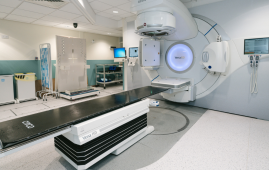 Low-Dose Radiation Therapy Shows Promise in Early Knee OA
Key Points Low-dose radiation therapy was.
 Oral Hormone Replacement Therapy Raises Blood Clot Risk
Key Points Oral hormone replacement therapy.
 GLP-1 Health Information: Quality, Completeness, & Engagement
Key Points A study assessed 128.
 DNA Damage Response May Drive Biological Aging
Key Points Chronic DNA damage response.
 Maternal Diet Fails to Reduce Infant Egg and Peanut Allergy
Key Points A large Australian randomized.
 Psychedelic-Assisted Psychotherapy: Music in Treatment
Key Takeaways Psychedelic-assisted psychotherapy combines psychedelic.
 Cardiovascular Frailty Links Heart Health and Aging
Key Points Cardiovascular frailty may connect.
 Laser Blended Vision: Simple Test Predicts Success
Key Points A simple phoropter-based test.
Leave a Comment