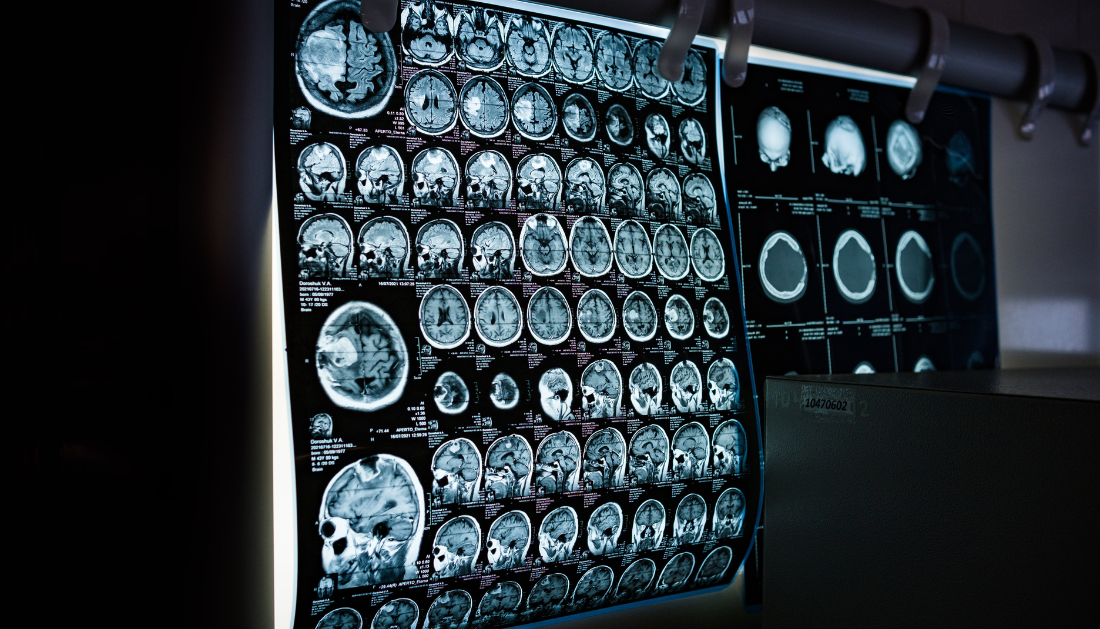
Loberamisal Shows Promise in Acute Ischemic Stroke Recovery

A novel neuroprotective drug, loberamisal, demonstrated significantly better functional recovery in patients with acute ischemic stroke, according to late-breaking results presented at the American Stroke Association’s International Stroke Conference 2026 in New Orleans. The findings come from a large Phase III randomized trial and add momentum to renewed clinical interest in neuroprotection for stroke management.
Loberamisal is a dual-target, small-molecule neuroprotective agent designed to preserve neurovascular unit integrity during the early phase of ischemic stroke. Neuroprotective therapies aim to reduce secondary brain injury after vessel occlusion, an area where prior clinical trials have largely fallen short.
In this multicenter, double-blind, placebo-controlled Phase III trial, researchers evaluated whether early intravenous loberamisal could improve outcomes when administered within 48 hours of stroke symptom onset. Preclinical studies had previously shown promising neuroprotective effects in rodent models, prompting large-scale human evaluation.
The study enrolled 998 adults (18–80 years) with moderate to severe ischemic stroke (NIHSS scores 7–20) across 32 stroke centers in China. Participants received either 40 mg IV loberamisal daily for 10 days or a matched placebo.
At the 90-day follow-up, functional outcomes were assessed using the modified Rankin Scale (mRS):
Only 17% of participants received standard thrombolytic therapy, and patients undergoing mechanical thrombectomy were excluded, limiting assessment of combination strategies.
The 2026 ASA Guideline for Early Management of Acute Ischemic Stroke notes growing scientific interest in neuroprotection, while acknowledging persistent evidence gaps. Investigators emphasized the need for:
While results cannot yet be generalized beyond the study population, the findings suggest that multi-target neuroprotective strategies may contribute to improved post-stroke recovery when administered early.

 Gamma Oscillations Restored in Alzheimer’s Disease Mice
Key takeaways Researchers restored parvalbumin (PV).
 Coffee Consumption Linked to Lower Recurrent VTE Risk
Key points at a glance Study.
 Body Roundness Index Linked to Higher Heart Attack Risk
Key findings at a glance Study.
 Maternal Diet Fails to Reduce Infant Egg and Peanut Allergy
Key Points A large Australian randomized.
 Visual Impairment Linked to Higher Dementia Risk
Key findings at a glance A.
 Long-Acting HIV Treatment May Help Drug-Resistant Cases
Key Takeaways A UCSF study found.
 Epilepsy Drugs May Interact With Hormonal Contraceptives
Key points: Nearly one-third of people.
 Night Shift Work Alters Key Circadian Gene Expression
A recent study published in Frontiers.
 Tirzepatide Weight Loss: Fat Mass and Muscle Findings
Key points Tirzepatide was associated with.
 Coffee and Gut Microbiome: Brewing and Metabolic Effects
Key Points Coffee contains caffeine, chlorogenic.
Leave a Comment