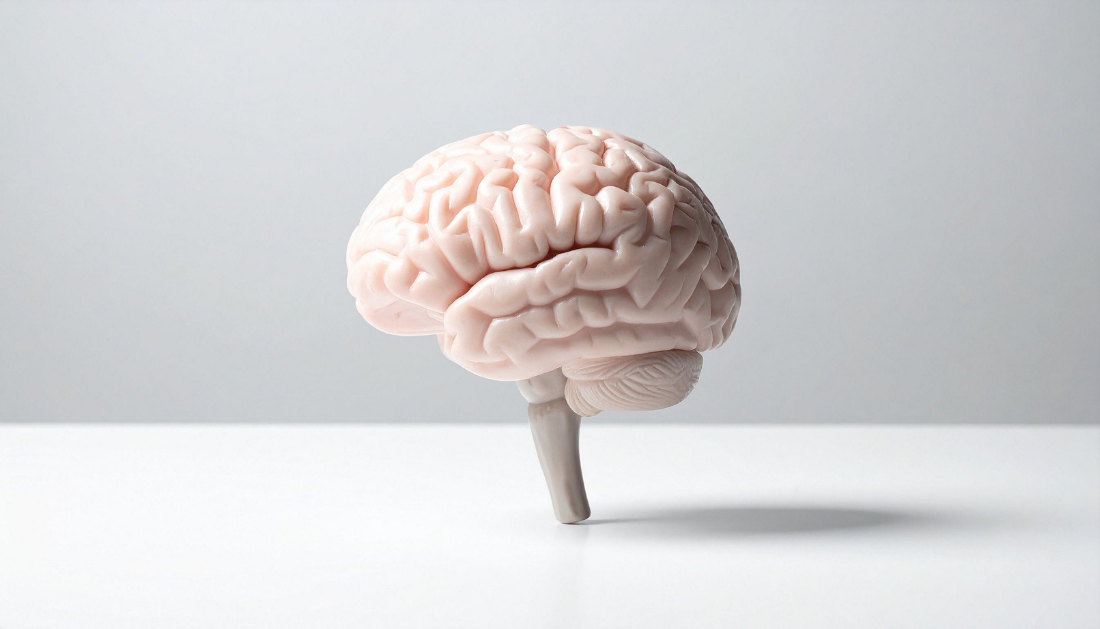
Needle-Thin Brain Implant Enables Precision Neural Drug Delivery

Needle-thin brain implant technology is redefining how researchers study and interact with the brain. A multidisciplinary research team from DTU, the University of Copenhagen, and University College London has introduced a microfluidic Axialtrode (mAxialtrode). This flexible, fiber-based brain implant enables recording of neural signals, optical stimulation, and targeted drug delivery along a single implant shaft.
Published in Advanced Science, this innovation addresses a long-standing challenge in neuroscience: the inability of conventional implants to monitor and modulate multiple brain layers simultaneously. For clinicians and researchers focused on epilepsy, memory, and decision-making disorders, this represents a meaningful shift in experimental precision.
Unlike traditional silicon electrodes that can irritate neural tissue, the mAxialtrode is fabricated from soft, plastic-like polymer fibers using a thermal drawing process similar to ultra-fine fiber pulling. The implant measures less than 0.5 mm in diameter and includes:
Its angled, tapered tip reduces insertion trauma, while its flexibility allows it to move with the brain, an important factor in reducing inflammatory responses seen with rigid implants.
In mouse models, the mAxialtrode demonstrated the ability to:
Notably, animals tolerated the implant well, carrying the lightweight fiber without visible distress. These findings are particularly relevant for epilepsy research, where understanding cross-layer neural signaling is critical.
While further testing and regulatory approvals are required, the researchers are actively pursuing patent protection and evaluating clinical translation pathways. For neurologists, neurosurgeons, and neuroscience researchers, the mAxialtrode introduces a less invasive, multi-functional interface that could shape future strategies in targeted neuromodulation and precision drug delivery.

 Visual Impairment Linked to Higher Dementia Risk
Key findings at a glance A.
 Long-Acting HIV Treatment May Help Drug-Resistant Cases
Key Takeaways A UCSF study found.
 Epilepsy Drugs May Interact With Hormonal Contraceptives
Key points: Nearly one-third of people.
 Night Shift Work Alters Key Circadian Gene Expression
A recent study published in Frontiers.
 Coffee and Gut Microbiome: Brewing and Metabolic Effects
Key Points Coffee contains caffeine, chlorogenic.
 Low-Dose Radiation Therapy Shows Promise in Early Knee OA
Key Points Low-dose radiation therapy was.
 GLP-1 Health Information: Quality, Completeness, & Engagement
Key Points A study assessed 128.
 DNA Damage Response May Drive Biological Aging
Key Points Chronic DNA damage response.
 Dietary Polyphenol Intake Associated With Lower MCI Odds
Key Points Older adults without mild.
 Psychedelic-Assisted Psychotherapy: Music in Treatment
Key Takeaways Psychedelic-assisted psychotherapy combines psychedelic.
Leave a Comment