Intravenous Iron Before Heart Surgery Reduces Transfusions

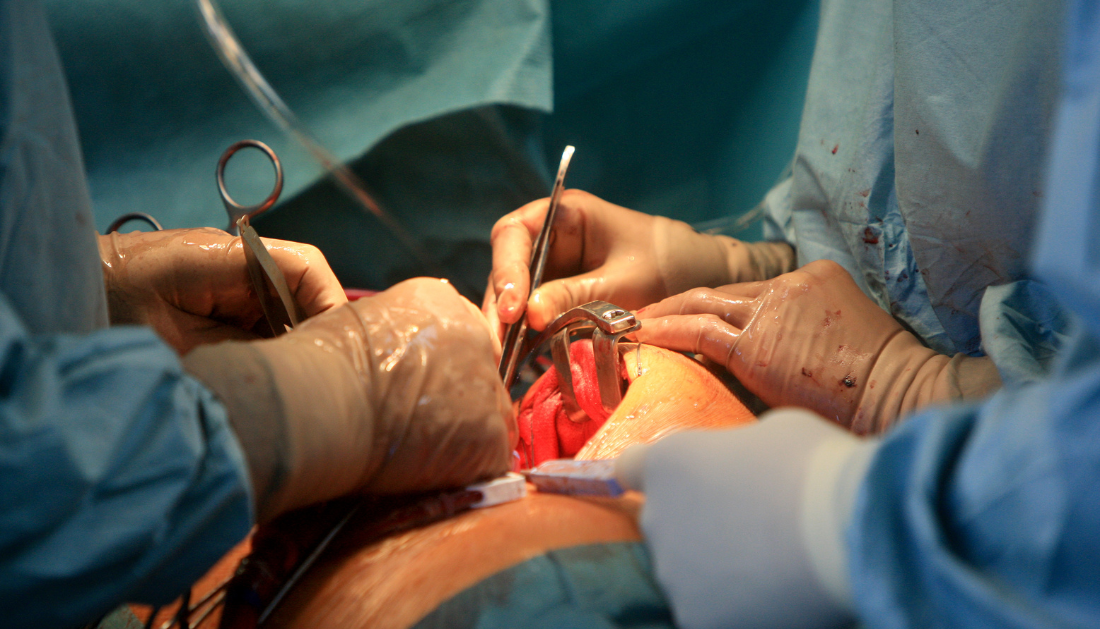
Intravenous iron before heart surgery may help reduce the need for red blood cell transfusions in patients with anemia undergoing elective cardiac procedures, according to a large international clinical trial published in The BMJ. The findings provide important evidence for cardiac surgeons, anesthesiologists, hematologists, perioperative teams, and nurses managing patients with preoperative anemia.
Preoperative anemia remains one of the most common challenges in cardiac surgery, affecting nearly one-third of patients scheduled for elective heart procedures. Between 20% and 50% of these patients receive blood transfusions after surgery, increasing the risk of postoperative complications, prolonged recovery, and poorer clinical outcomes.
Researchers conducted a randomized placebo-controlled trial involving 955 adults with anemia across 33 hospitals in 10 countries between July 2016 and December 2023. The participants had an average age of 66 years, and 60% were men undergoing elective cardiac surgery. Investigators randomly assigned patients to receive intravenous iron or placebo between one and 26 weeks before surgery.
The study focused on patient-centered outcomes rather than transfusion rates alone. Researchers measured the number of days patients remained alive and at home during the first 90 days after surgery, alongside transfusion requirements, postoperative complications, and recovery outcomes.
The trial adds meaningful evidence to ongoing discussions surrounding perioperative blood management in cardiac surgery and supports earlier identification and treatment of anemia before elective procedures.
Among the 921 patients included in the final analysis, intravenous iron produced measurable improvements in several clinically relevant outcomes.
Patients receiving intravenous iron spent an average of 81 days alive and at home during the first 90 postoperative days compared with 80 days among those receiving placebo. Although the difference represents a modest one-day improvement, it reflects a patient-centered recovery measure increasingly valued in perioperative medicine.
The strongest benefit appeared in blood utilization. During hospitalization, 61% of patients in the intravenous iron group required red blood cell transfusion compared with 68% in the placebo group. Researchers estimated that treating 100 eligible patients with intravenous iron could save approximately 44 units of blood products.
Importantly, investigators also reported that intravenous iron increased preoperative hemoglobin concentrations, supporting the biological rationale for correcting anemia before major cardiac surgery. Higher hemoglobin levels may reduce the likelihood that patients reach transfusion thresholds during or after surgery.
For healthcare professionals, these findings reinforce the importance of structured preoperative anemia assessment, particularly within patient blood management programs where optimizing hemoglobin before surgery remains a key clinical priority.
Despite the reduction in transfusion requirements, intravenous iron did not significantly reduce major postoperative complications or shorten hospital length of stay. Researchers also acknowledged that they enrolled patients based on anemia rather than confirmed absolute iron deficiency, which may limit how broadly clinicians apply the findings.
Another important consideration is the magnitude of benefit. While an additional day at home within a 90-day recovery period represents a positive patient-centered outcome, the investigators emphasized that the absolute treatment effect remains relatively small.
Nevertheless, the study’s strengths include its multinational design, large sample size, low dropout rate, and focus on meaningful recovery outcomes such as quality of life and time spent at home rather than traditional surgical endpoints alone.
For cardiology and perioperative care teams, the results suggest that intravenous iron before heart surgery could become an increasingly valuable strategy for appropriately selected patients with preoperative anemia, helping reduce exposure to donor blood while supporting improved recovery following elective cardiac procedures.

 Long-Acting HIV Treatment May Help Drug-Resistant Cases
Key Takeaways A UCSF study found.
 Night Shift Work Alters Key Circadian Gene Expression
A recent study published in Frontiers.
 Tirzepatide Weight Loss: Fat Mass and Muscle Findings
Key points Tirzepatide was associated with.
 Coffee and Gut Microbiome: Brewing and Metabolic Effects
Key Points Coffee contains caffeine, chlorogenic.
 Low-Dose Radiation Therapy Shows Promise in Early Knee OA
Key Points Low-dose radiation therapy was.
 Oral Hormone Replacement Therapy Raises Blood Clot Risk
Key Points Oral hormone replacement therapy.
 GLP-1 Health Information: Quality, Completeness, & Engagement
Key Points A study assessed 128.
 DNA Damage Response May Drive Biological Aging
Key Points Chronic DNA damage response.
 Maternal Diet Fails to Reduce Infant Egg and Peanut Allergy
Key Points A large Australian randomized.
 Psychedelic-Assisted Psychotherapy: Music in Treatment
Key Takeaways Psychedelic-assisted psychotherapy combines psychedelic.
Leave a Comment