
Anxiety Disorders and Social Media Emotional Support

Anxiety disorders remain a major public health challenge, ranking as the second leading cause of disability worldwide. In the U.S., nearly one in three adults will experience an anxiety disorder during their lifetime, with symptoms often emerging in adolescence. Anxiety is closely linked to depression, suicide risk, sleep disruption, inflammation, and impaired academic and workplace functioning, making early, accessible interventions a priority for healthcare professionals.
While social media has often been associated with psychological distress, emerging evidence suggests it may also play a supportive role in mental health under specific conditions.
A recent study published in Psychiatry International examined whether perceived emotional support on social media is associated with anxiety outcomes in young adults. The national sample included 2,403 U.S. adults aged 18–30, with anxiety assessed using the Patient-Reported Outcomes Measurement Information System (PROMIS).
Researchers found that individuals reporting higher emotional support on social media platforms were significantly more likely to report lower anxiety symptoms. The association was especially notable among participants with:
Personality was measured using the Big Five Inventory, offering insight into why certain individuals may benefit more from positive digital interactions.
The study also identified gender-based differences, with females reporting stronger associations between emotional support. Although the research does not establish causality, it suggests that perceived emotional connection and validation may act as a protective factor against anxiety-related distress.
Given anxiety’s links to stress-related inflammation, migraines, maladaptive perfectionism, and reduced academic performance, these findings may inform holistic mental health screening and counseling approaches, especially for younger populations.
For clinicians, nurses, and allied health professionals, the findings reinforce the importance of:
As researchers emphasize, individuals tend to experience better mental health outcomes when they feel valued, supported, and socially connected, both offline and online.

 Gamma Oscillations Restored in Alzheimer’s Disease Mice
Key takeaways Researchers restored parvalbumin (PV).
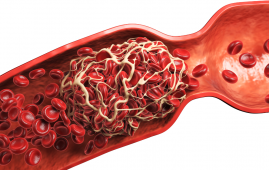 Coffee Consumption Linked to Lower Recurrent VTE Risk
Key points at a glance Study.
 Body Roundness Index Linked to Higher Heart Attack Risk
Key findings at a glance Study.
 Maternal Diet Fails to Reduce Infant Egg and Peanut Allergy
Key Points A large Australian randomized.
 Visual Impairment Linked to Higher Dementia Risk
Key findings at a glance A.
 Long-Acting HIV Treatment May Help Drug-Resistant Cases
Key Takeaways A UCSF study found.
 Night Shift Work Alters Key Circadian Gene Expression
A recent study published in Frontiers.
 Tirzepatide Weight Loss: Fat Mass and Muscle Findings
Key points Tirzepatide was associated with.
 Coffee and Gut Microbiome: Brewing and Metabolic Effects
Key Points Coffee contains caffeine, chlorogenic.
 Low-Dose Radiation Therapy Shows Promise in Early Knee OA
Key Points Low-dose radiation therapy was.
Leave a Comment