
Healthy Longevity Trial Targets Midlife Aging Decline

The Sam and Ann Barshop Institute for Longevity and Aging Studies at UT Health San Antonio has secured up to $38 million in federal funding to lead the Validation and Intervention Testing for Aging, Longevity and Healthspan (VITAL-H) trial. Awarded by ARPA-H, this contract positions San Antonio as a national hub for clinical longevity science.
VITAL-H is embedded within ARPA-H’s Proactive Solutions for Prolonging Resilience (PROSPR) program, which aims to challenge the long-held assumption that aging inevitably leads to disability. According to Andrew Brack, PROSPR is designed to identify therapeutics that preserve functional ability during critical stages of midlife aging.
The VITAL-H trial will evaluate three FDA-approved medications, rapamycin, dapagliflozin, and semaglutide, selected for their distinct mechanisms of action, oral administration, and long-term safety profiles. Backed by strong preclinical data and early human evidence, these agents may help slow age-related decline in generally healthy adults.
The study will be led by Elena Volpi, MD, PhD, director of the Barshop Institute. She notes that while life expectancy has increased globally, the onset of age-related disability has not shifted, creating an urgent need for preventive, function-focused interventions rather than disease-centric care.
Unlike prior aging trials, VITAL-H targets earlier intervention and uses Intrinsic Capacity as a primary outcome. This multidimensional construct assesses cognition, mobility, psychological health, vitality, and sensory function, offering a regulatory-grade framework to detect meaningful functional change.
Wearable technologies will continuously monitor participants recruited from South Texas, a region reflecting future U.S. demographic trends. Regional partners include VA research centers, metabolic disease institutes, food security organizations, and mobile clinical research units, supporting broad access and real-world relevance.
By reframing aging as a modifiable functional trajectory, VITAL-H could inform future preventive strategies, clinical development pathways, and policy decisions in geriatric and preventive medicine. For clinicians and researchers, this trial marks a pivotal step toward evidence-based interventions that prioritize quality of life alongside longevity.
The University of Texas at San Antonio Health Science Center

 Gamma Oscillations Restored in Alzheimer’s Disease Mice
Key takeaways Researchers restored parvalbumin (PV).
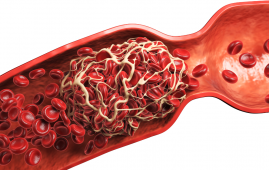 Coffee Consumption Linked to Lower Recurrent VTE Risk
Key points at a glance Study.
 Body Roundness Index Linked to Higher Heart Attack Risk
Key findings at a glance Study.
 Maternal Diet Fails to Reduce Infant Egg and Peanut Allergy
Key Points A large Australian randomized.
 Visual Impairment Linked to Higher Dementia Risk
Key findings at a glance A.
 Long-Acting HIV Treatment May Help Drug-Resistant Cases
Key Takeaways A UCSF study found.
 Night Shift Work Alters Key Circadian Gene Expression
A recent study published in Frontiers.
 Tirzepatide Weight Loss: Fat Mass and Muscle Findings
Key points Tirzepatide was associated with.
 Coffee and Gut Microbiome: Brewing and Metabolic Effects
Key Points Coffee contains caffeine, chlorogenic.
 Low-Dose Radiation Therapy Shows Promise in Early Knee OA
Key Points Low-dose radiation therapy was.
Leave a Comment