PFK Enzyme Dual Role Links Metabolism to Cell Cycle Progression

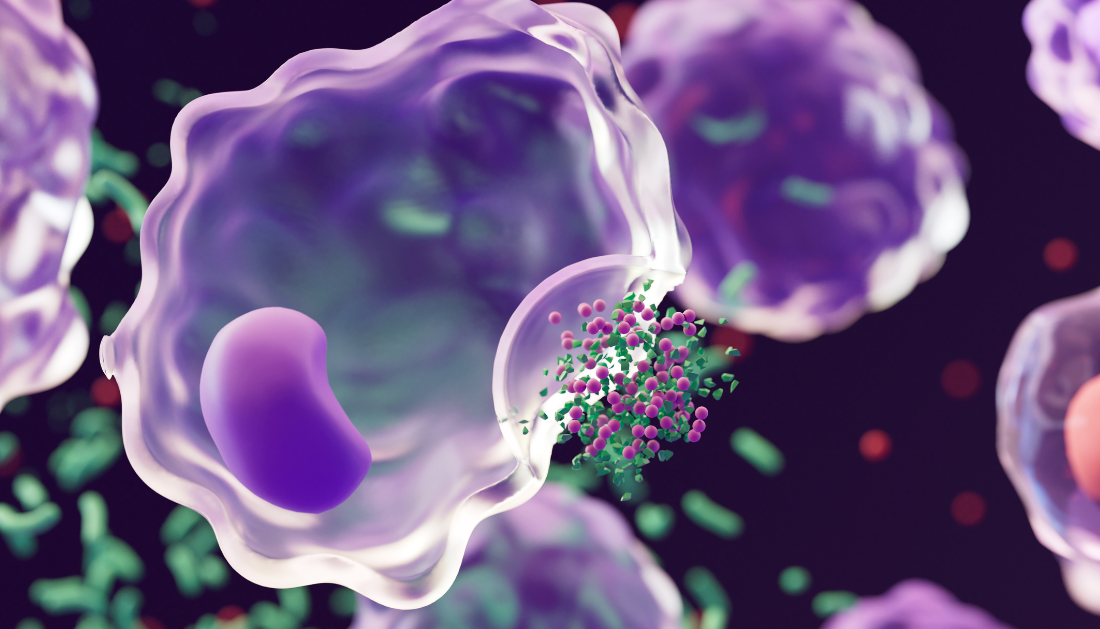
A new study led by the University of Surrey reveals that the well-known metabolic enzyme phosphofructokinase (PFK) plays a second, unexpected role in regulating cell division. Traditionally recognized as a key regulator of glycolysis, PFK has now been shown to influence cell cycle progression through RNA interaction.
In Saccharomyces cerevisiae, the PFK Enzyme consists of two subunits, Pfk1 and Pfk2. While both contribute to energy metabolism, researchers discovered that Pfk2 functions independently as an RNA-binding protein, interacting with more than 800 messenger RNAs (mRNAs). Notably, Pfk2 can unwind double-stranded RNA, a property typically associated with RNA helicases.
Experimental findings demonstrated that yeast cells lacking Pfk2 exhibited delayed growth, increased cell size, and impaired transition from G1 to S phase—a critical checkpoint in cell division.
Further analysis using polysome profiling revealed reduced translation of key regulatory proteins, such as:
Importantly, restoring a glycolysis-deficient version of Pfk2 reversed these defects. This confirms that Pfk2’s role in cell cycle regulation is independent of its metabolic function.
The study proposes a “molecular relay switch” model:
This dual functionality establishes a direct mechanistic link between metabolism and cell proliferation, offering new insights into diseases characterized by dysregulated cell growth, including cancer.
For healthcare professionals and researchers, these findings highlight a critical paradigm shift: metabolic enzymes may have hidden regulatory roles impacting gene expression and cell division.
Understanding the dual role of PFK could influence future research in:
This discovery opens the door to exploring non-canonical functions of enzymes, potentially identifying new therapeutic targets in oncology and molecular medicine.

 Maternal Diet Fails to Reduce Infant Egg and Peanut Allergy
Key Points A large Australian randomized.
 Psychedelic-Assisted Psychotherapy: Music in Treatment
Key Takeaways Psychedelic-assisted psychotherapy combines psychedelic.
 Cardiovascular Frailty Links Heart Health and Aging
Key Points Cardiovascular frailty may connect.
 Laser Blended Vision: Simple Test Predicts Success
Key Points A simple phoropter-based test.
 Pink Noise Boosts Brain Waste Clearance During Sleep
Key Points Pink noise delivered during.
 Psilocybin Microdosing Research Raises Key Questions
Key points: Psilocybin microdosing research shows.
 Smoking and Loneliness Linked in Large European Study
Key points: A Europe-wide study of.
 Maternal Illness Linked to Epigenetic Fetal Brain Changes
Maternal illness during pregnancy may influence.
 SGLT2 Inhibitors Boost Cardiac Energy Through PANK1
Key Points SGLT2 inhibitors directly activate.
 Daraxonrasib Approved for Metastatic Pancreatic Cancer
Key Points FDA approved daraxonrasib (RASONQUE).
Leave a Comment