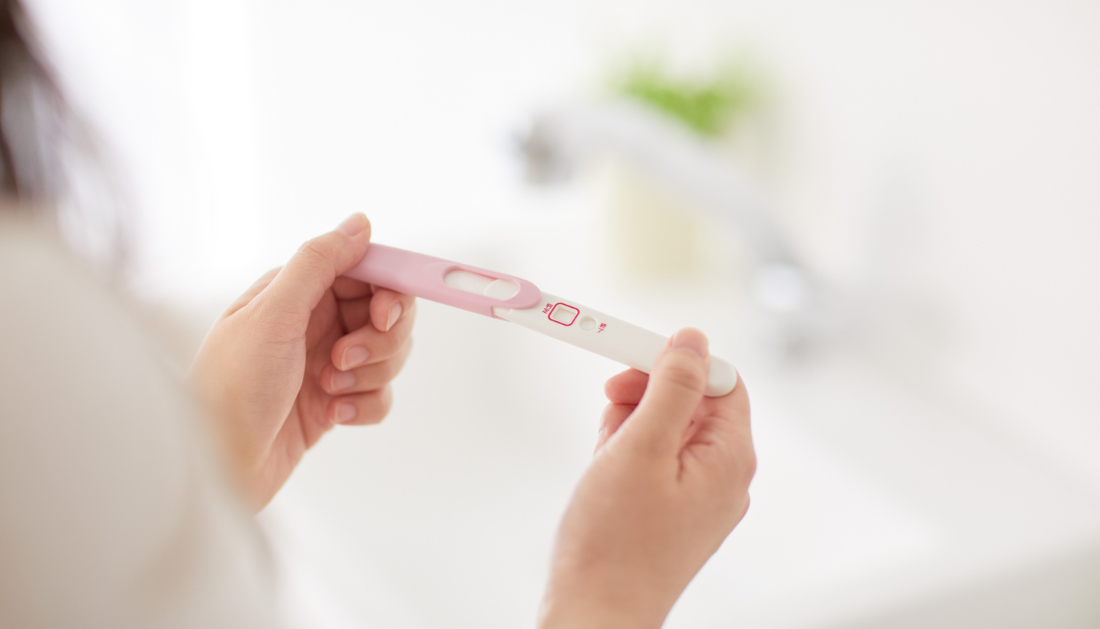
Vitamin E Intake Linked to Fertility Hormone in Women Trying to Conceive

A recent study in Scientific Reports highlights a potential link between vitamin E intake and fertility hormone levels in women undergoing infertility care. For clinicians and fertility specialists, this raises an important question: can micronutrient intake meaningfully influence reproductive endocrinology?
Infertility affects nearly one in six couples globally, making modifiable lifestyle factors, particularly diet, an area of increasing clinical interest. While prior research has explored nutrition in general populations, targeted data in women actively seeking fertility treatment has remained limited.
This cross-sectional study assessed 97 women aged 18–40 years who attended a fertility clinic in Spain. Researchers evaluated dietary intake using a validated food frequency questionnaire and correlated findings with body composition and reproductive hormone levels.
Key clinical markers included anti-Müllerian hormone (AMH), follicle-stimulating hormone, luteinizing hormone, thyroid-stimulating hormone, estradiol, and prolactin. Body composition analysis revealed a consistent trend—higher body fat percentage and lower muscle mass, factors known to influence hormonal balance.
A notable finding: vitamin E intake was inversely associated with prolactin levels. Elevated prolactin can disrupt ovulation and menstrual cycles, making this association clinically relevant. Importantly, this relationship remained significant after adjusting for BMI, caloric intake, smoking, and physical activity.
Beyond vitamin E, the study found that riboflavin (vitamin B2) and calcium intake were positively associated with muscle mass percentage. These findings suggest that micronutrients may contribute to metabolic profiles that support reproductive health.
Additionally, vitamin E intake showed an inverse relationship with hip circumference, pointing toward a possible role in fat distribution. However, clinicians should interpret these findings with caution, given the observational design.
Current evidence suggests a link between vitamin E intake and lower prolactin levels, but no direct causal relationship has been established.
For healthcare professionals, this study reinforces the importance of integrating nutritional assessment into fertility care. While dietary interventions cannot replace established treatments, they may serve as supportive strategies for optimizing hormonal and metabolic health.
However, larger longitudinal studies are required before translating these findings into clinical guidelines. Until then, individualized nutrition counseling remains a prudent approach in reproductive medicine.

 Alzheimer’s Disease Blood Test Receives FDA Clearance
Key Points FDA clears PrecivityAD2, a.
 Pediatric Cancer Clinical Trial Participation: Key Barriers
Key Takeaways Black and Hispanic families.
 Tobacco Risk Awareness Stagnates Despite Global Efforts
Key Summary A global analysis of.
 AI in Women’s Health May Reinforce Gender Bias, Study Warns
Key Takeaways Researchers caution that AI.
 Rapid-Acting Antidepressants Share Neuroimmune Pathways
Key Points Researchers identified common neuroimmune.
 Brain Energy During REM Sleep Shows ATP Paradox
Key Points Researchers identified a unique.
 Moderate Coffee Intake Associated With Lower CVD Risk
Key Summary Moderate coffee intake (3–5.
 Chronic Xanthan Gum Alters Gut Microbiota and Colon Health
Key Points Chronic xanthan gum consumption.
 Drug Delivery Nanoparticles Studied with New AF4-SANS Tool
Key Points Researchers developed the first.
 Early Menopause Risk Higher in Rural Women: New Study
Key Points Early menopause affects more.
Leave a Comment