
Short Sleep and Poor Sleep Quality Linked to Parkinson's Disease Risk

Parkinson’s disease risk may be influenced by more than genetics and aging. New research published in npj Parkinson’s Disease suggests that sleep duration and sleep quality could serve as valuable indicators for identifying individuals at higher risk before the appearance of classic motor symptoms.
Parkinson’s disease is the second most common neurodegenerative disorder after Alzheimer’s disease and affects millions of older adults worldwide. While tremors and movement difficulties define the condition, non-motor symptoms, including sleep disturbances, often develop years before diagnosis. Researchers analyzed data from the China Health and Retirement Longitudinal Study (CHARLS) to determine whether sleep characteristics could help predict future Parkinson’s disease risk.
The investigators performed both cross-sectional and longitudinal analyses involving more than 16,000 participants, examining self-reported sleep duration, sleep quality, daytime napping habits, and multiple demographic and lifestyle factors. Statistical models also accounted for age, sex, smoking, alcohol consumption, marital status, residence, and agricultural work.
The study identified sleep duration and sleep quality as the two sleep measures most closely associated with Parkinson’s disease risk. Participants sleeping four hours or less per night demonstrated a significantly higher likelihood of Parkinson’s disease compared with those sleeping seven to nine hours.
Researchers also found age-specific differences. Among adults aged 60 years or younger, longer sleep duration was associated with a lower Parkinson’s disease risk. In contrast, adults older than 60 displayed a U-shaped relationship, indicating that both very short and longer sleep durations may be associated with increased risk, with the highest estimated risk occurring at approximately 5.2 hours of sleep.
The longitudinal analysis followed 8,624 participants, documenting 97 new Parkinson’s disease cases. Individuals reporting both shorter sleep duration and poor sleep quality experienced the highest incidence of Parkinson’s disease, highlighting the importance of evaluating multiple sleep dimensions rather than sleep duration alone.
The predictive ability of sleep measurements alone remained modest. Sleep duration achieved an AUROC of 0.59, while sleep quality reached 0.62. Combining both factors improved prediction to 0.64, suggesting that comprehensive sleep assessment may provide greater clinical value than evaluating either measure independently.
Although the results support sleep assessment as a potential component of early Parkinson’s disease risk stratification, the investigators emphasize important limitations. Parkinson’s disease status was based on questionnaire responses instead of confirmed clinical diagnoses, sleep data relied on self-reporting, and the findings may not fully apply to populations outside China.
For healthcare professionals, these findings reinforce the growing recognition of sleep as an important component of neurological health. Routine assessment of sleep duration and sleep quality may help identify individuals who could benefit from closer neurological monitoring, although further prospective studies with objective sleep measurements and clinically confirmed Parkinson’s disease diagnoses are needed before sleep characteristics can be incorporated into routine screening strategies.

 Gamma Oscillations Restored in Alzheimer’s Disease Mice
Key takeaways Researchers restored parvalbumin (PV).
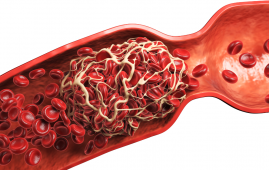 Coffee Consumption Linked to Lower Recurrent VTE Risk
Key points at a glance Study.
 Body Roundness Index Linked to Higher Heart Attack Risk
Key findings at a glance Study.
 Maternal Diet Fails to Reduce Infant Egg and Peanut Allergy
Key Points A large Australian randomized.
 Visual Impairment Linked to Higher Dementia Risk
Key findings at a glance A.
 Long-Acting HIV Treatment May Help Drug-Resistant Cases
Key Takeaways A UCSF study found.
 Epilepsy Drugs May Interact With Hormonal Contraceptives
Key points: Nearly one-third of people.
 Night Shift Work Alters Key Circadian Gene Expression
A recent study published in Frontiers.
 Tirzepatide Weight Loss: Fat Mass and Muscle Findings
Key points Tirzepatide was associated with.
 Coffee and Gut Microbiome: Brewing and Metabolic Effects
Key Points Coffee contains caffeine, chlorogenic.
Leave a Comment