Blood Biomarker Could Personalize Alzheimer's Disease Care

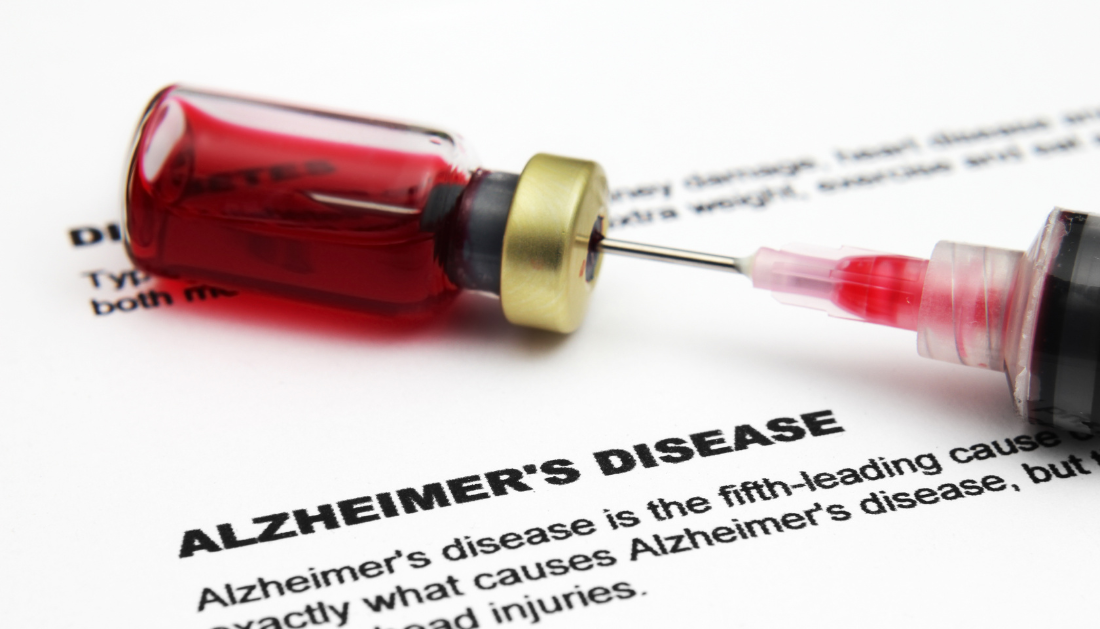
Alzheimer’s disease remains one of the leading causes of cognitive decline worldwide, creating an urgent need for accessible biomarkers that can identify disease progression before irreversible neurological damage occurs. A recent review published in Brain Medicine suggests that plasma neurofilament light chain (NfL), a blood biomarker of neuronal injury, may provide different prognostic value in men and women. The findings highlight the growing importance of personalized approaches when interpreting Alzheimer’s disease biomarkers.
Neurofilament light chain (NfL) is a structural protein released into the bloodstream when nerve cells sustain damage. Unlike cerebrospinal fluid analysis or PET imaging, measuring plasma NfL requires only a routine blood sample, making it a practical option for repeated monitoring in both clinical practice and research.
The review synthesized evidence from multiple studies showing that plasma NfL concentrations rise during the preclinical, prodromal, and dementia stages of Alzheimer’s disease. Elevated levels consistently correlated with poorer cognitive performance, hippocampal atrophy on MRI, and reduced brain metabolism on FDG-PET imaging. In individuals carrying inherited Alzheimer’s mutations, plasma NfL increased years before clinical symptoms appeared, reinforcing its potential role as an early indicator of neurodegeneration.
Researchers emphasize that plasma NfL reflects ongoing neuronal injury rather than identifying the underlying cause, making it a valuable complement to amyloid and tau biomarkers used in Alzheimer’s disease evaluation.
One of the review’s most significant observations is that the same plasma NfL concentration may indicate greater disease severity in men than in women. Across three racially diverse cohorts analyzed by the research team, increasing plasma NfL levels were associated with steeper cognitive decline, greater brain atrophy, and more pronounced functional impairment in male patients.
Interestingly, this sex-specific pattern appeared unique to NfL. Other Alzheimer’s biomarkers, including phosphorylated tau (p-tau181) and glial fibrillary acidic protein (GFAP), did not demonstrate similar associations.
Although the biological mechanisms remain uncertain, researchers discuss several possible explanations. Differences in neuroinflammatory responses, hormonal influences, and variations in brain size and white matter reserve could contribute to how neuronal injury affects biomarker interpretation. However, the authors caution that these mechanisms remain theoretical and require further clinical investigation.
The review suggests that interpreting Alzheimer’s blood biomarkers using a single threshold for all patients may overlook meaningful biological differences. Instead, clinicians may eventually require sex-specific reference values to improve prognostic accuracy and disease monitoring.
The authors also acknowledge several limitations, including limited sex-focused research, inconsistent laboratory standardization, and the high cost of ultrasensitive NfL testing platforms. Future studies involving diverse populations and age-specific reference ranges will be essential before plasma NfL can be routinely incorporated into personalized Alzheimer’s care.
As blood-based biomarkers become increasingly integrated into dementia care, sex-specific interpretation may represent an important step toward more precise diagnosis, individualized monitoring, and better-informed treatment decisions for patients living with Alzheimer’s disease.

 Visual Impairment Linked to Higher Dementia Risk
Key findings at a glance A.
 Long-Acting HIV Treatment May Help Drug-Resistant Cases
Key Takeaways A UCSF study found.
 Epilepsy Drugs May Interact With Hormonal Contraceptives
Key points: Nearly one-third of people.
 Night Shift Work Alters Key Circadian Gene Expression
A recent study published in Frontiers.
 Coffee and Gut Microbiome: Brewing and Metabolic Effects
Key Points Coffee contains caffeine, chlorogenic.
 Low-Dose Radiation Therapy Shows Promise in Early Knee OA
Key Points Low-dose radiation therapy was.
 GLP-1 Health Information: Quality, Completeness, & Engagement
Key Points A study assessed 128.
 DNA Damage Response May Drive Biological Aging
Key Points Chronic DNA damage response.
 Dietary Polyphenol Intake Associated With Lower MCI Odds
Key Points Older adults without mild.
 Psychedelic-Assisted Psychotherapy: Music in Treatment
Key Takeaways Psychedelic-assisted psychotherapy combines psychedelic.
Leave a Comment