Calcific Aortic Valve Stenosis and Oral Bacteria Connection

Emerging research presented at the American Heart Association’s Basic Cardiovascular Sciences Scientific Sessions 2026 suggests that gum disease bacteria could contribute to the development of calcific aortic valve stenosis (CAVS), one of the most common forms of heart valve disease. The preliminary findings identify a possible biological pathway linking chronic periodontal disease with progressive valve calcification, offering a new direction for cardiovascular research.
Calcific aortic valve stenosis develops when the aortic valve gradually thickens and accumulates calcium deposits, restricting blood flow from the heart. Early disease often remains asymptomatic; however, progressive narrowing can result in chest pain, fatigue, syncope, dyspnea, heart failure, and increased mortality. At present, valve replacement surgery remains the only effective treatment for advanced disease, as no approved medications have demonstrated an ability to slow its progression.
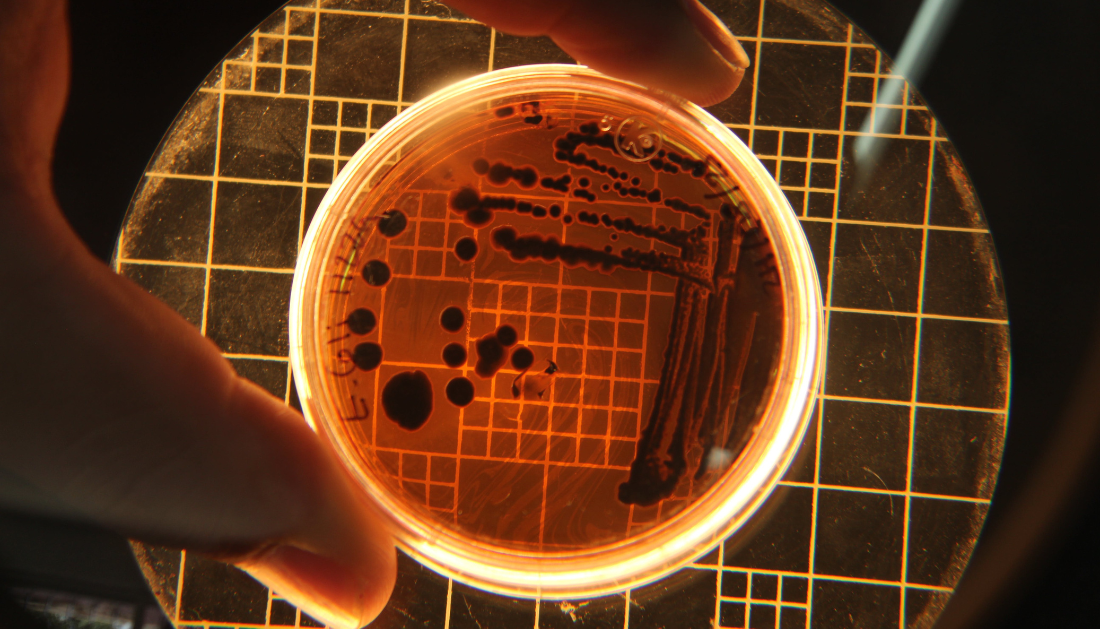
Investigators focused on Porphyromonas gingivalis, a major bacterial pathogen associated with chronic periodontal disease. Previous research has connected this microorganism with systemic inflammation and atherosclerotic cardiovascular disease. In this study, researchers examined surgically removed human heart valve tissue and discovered markedly higher levels of P. gingivalis in calcified aortic valves compared with valves affected by other conditions.
The unexpected enrichment of the bacterium prompted additional laboratory investigations using mouse models. Repeated exposure to live P. gingivalis resulted in bacterial accumulation within the aortic valve, greater calcium deposition, and features consistent with aortic stenosis. In contrast, heat-inactivated bacteria did not produce similar effects.
Researchers also observed that preventive antibiotic therapy significantly reduced bacterial accumulation and valve calcification, suggesting that bacterial persistence may play an important role in disease progression.
Further mechanistic studies revealed that P. gingivalis activated the inflammatory protein interleukin-1 beta (IL-1β) in valve cells. When researchers genetically eliminated IL-1β in mice, both valve calcification and functional impairment declined substantially despite bacterial exposure.
These findings indicate that IL-1β-mediated inflammation may represent a potential therapeutic target for future interventions. Although the results remain limited to preclinical models, they provide valuable insight into how chronic oral infections could influence structural heart disease.
The study also strengthens growing evidence supporting the relationship between oral health and cardiovascular health. Maintaining good oral hygiene and treating periodontal disease may offer benefits beyond preserving dental health, although researchers caution that additional clinical studies are necessary before changes to CAVS prevention strategies can be recommended.
Investigators have already initiated human clinical studies to determine whether controlling periodontal disease can reduce the risk or progression of calcific aortic valve stenosis. If confirmed, these findings could open new preventive approaches that integrate cardiology and dental care for patients at cardiovascular risk.
While these findings require confirmation in human studies, they strengthen the growing evidence linking oral health and cardiovascular disease. Cardiologists, researchers, dentists, and other healthcare professionals should stay updated on ongoing clinical trials, as future discoveries may influence risk assessment, preventive care, and new treatment strategies for calcific aortic valve stenosis.

 Pink Noise Boosts Brain Waste Clearance During Sleep
Key Points Pink noise delivered during.
 Psilocybin Microdosing Research Raises Key Questions
Key points: Psilocybin microdosing research shows.
 Maternal Illness Linked to Epigenetic Fetal Brain Changes
Maternal illness during pregnancy may influence.
 SGLT2 Inhibitors Boost Cardiac Energy Through PANK1
Key Points SGLT2 inhibitors directly activate.
 Daraxonrasib Approved for Metastatic Pancreatic Cancer
Key Points FDA approved daraxonrasib (RASONQUE).
 Nicotine E-Cigarettes Help More Smokers Quit Than NRT
Key Points Nicotine e-cigarettes helped more.
 AI Identifies Key Gene Driving Hematopoietic Stem Cell Aging
Key Points AI analysis identified Pbx1.
 Intravenous Iron Improves Recovery After Heart Surgery
Key points A large multicenter randomized.
 Childhood Epilepsy Linked to Lower Educational Achievement
Key Takeaways Childhood epilepsy was associated.
 Laser Treatment for Glioblastoma Shows Survival Benefit
Key Points A multicenter analysis of.
Leave a Comment