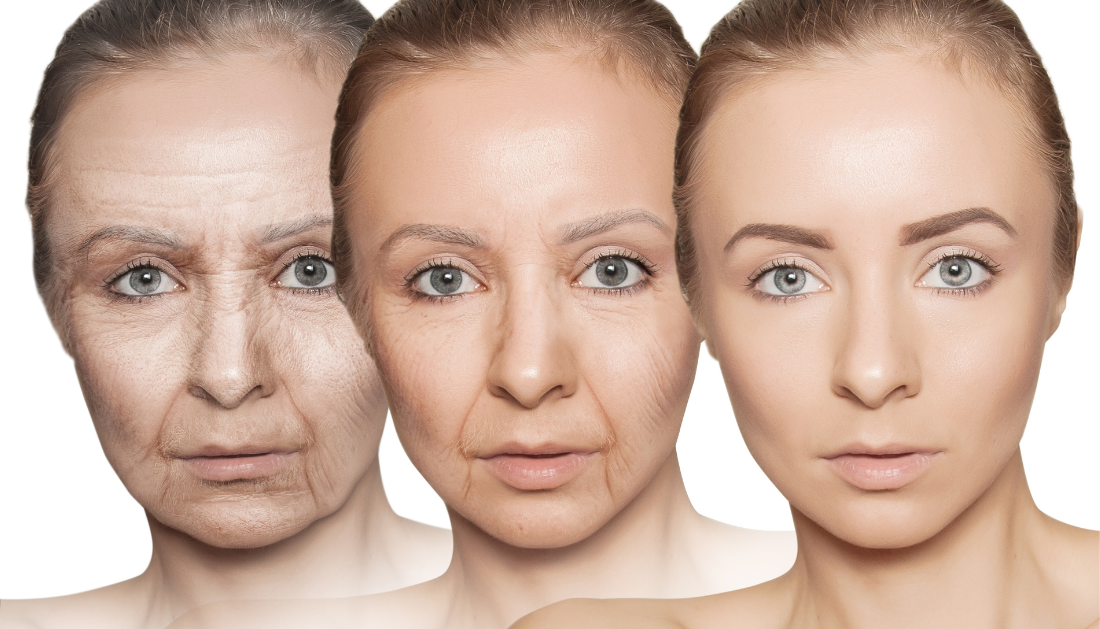
EP2 Receptor Identified as a Driver of Organ Aging

Aging is closely linked to chronic inflammation, but researchers have now identified a critical immune mechanism that may help explain why organs gradually lose function over time. A new study from Stanford Medicine reports that blocking the EP2 receptor on tissue-resident macrophages restores their ability to eliminate aging immune cells, reducing inflammation and preserving organ health in preclinical models.
Published in Science, the research highlights a promising therapeutic target that could help delay multiple age-related disorders by improving the body’s natural immune clearance system.
Tissue-resident macrophages serve as the body’s long-term immune maintenance cells. One of their essential responsibilities is clearing senescent neutrophils—aging immune cells that can release inflammatory molecules if they accumulate.
The Stanford team found that aging increases both the production of the inflammatory hormone prostaglandin E2 (PGE2) and the expression of its EP2 receptor on macrophages. Continuous EP2 signaling gradually weakens macrophages, reducing their ability to remove senescent neutrophils.
As these dysfunctional neutrophils accumulate, they contribute to persistent inflammation across multiple organs, including the liver, heart, brain, kidneys, spleen, bone marrow, and colon.
Researchers genetically removed the EP2 receptor specifically from tissue-resident macrophages in aged mice. They also tested an experimental EP2-blocking drug. Both approaches restored macrophage function, reduced senescent neutrophil accumulation, and significantly lowered systemic inflammation.
Older mice lacking the EP2 receptor demonstrated several characteristics typically associated with younger animals. Investigators observed improved muscle mass, lower visceral fat, stronger grip strength, better balance, preserved cognitive performance, and healthier blood protein profiles.
Memory testing also revealed that treated mice performed nearly as well as younger animals during maze navigation and object-recognition assessments.
Importantly, researchers analyzed human liver cell datasets and identified similar age-associated immune changes, including increased EP2 activity, macrophage dysfunction, and senescent neutrophil accumulation. These findings suggest the biological pathway may also contribute to human aging.
Although no selective EP2 inhibitors have received regulatory approval, the investigators believe targeting this receptor may provide a more precise strategy than broadly suppressing prostaglandin production with conventional anti-inflammatory drugs.
For healthcare professionals, geriatric specialists, neurologists, immunologists, and translational researchers, these findings strengthen growing evidence that immune cell function plays a central role in healthy aging. Future clinical studies will determine whether selective EP2 inhibition can reduce chronic inflammation, preserve organ function, and extend health span in humans.

 Psychedelic-Assisted Psychotherapy: Music in Treatment
Key Takeaways Psychedelic-assisted psychotherapy combines psychedelic.
 Cardiovascular Frailty Links Heart Health and Aging
Key Points Cardiovascular frailty may connect.
 Laser Blended Vision: Simple Test Predicts Success
Key Points A simple phoropter-based test.
 Pink Noise Boosts Brain Waste Clearance During Sleep
Key Points Pink noise delivered during.
 Psilocybin Microdosing Research Raises Key Questions
Key points: Psilocybin microdosing research shows.
 Smoking and Loneliness Linked in Large European Study
Key points: A Europe-wide study of.
 Maternal Illness Linked to Epigenetic Fetal Brain Changes
Maternal illness during pregnancy may influence.
 SGLT2 Inhibitors Boost Cardiac Energy Through PANK1
Key Points SGLT2 inhibitors directly activate.
 Daraxonrasib Approved for Metastatic Pancreatic Cancer
Key Points FDA approved daraxonrasib (RASONQUE).
 Nicotine E-Cigarettes Help More Smokers Quit Than NRT
Key Points Nicotine e-cigarettes helped more.
Leave a Comment