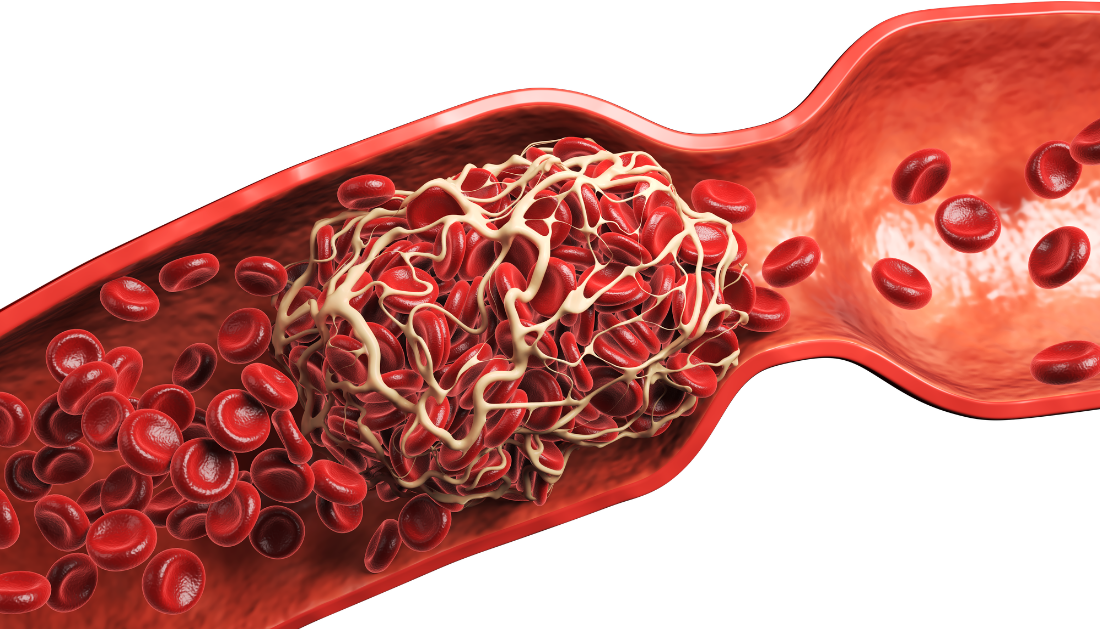
Coffee Consumption Linked to Lower Recurrent VTE Risk

Quick Summary: A Norwegian cohort study found that drinking 1–2 cups of coffee daily was associated with a lower estimated risk of recurrent venous thromboembolism (VTE). The association appeared strongest among patients whose initial blood clot had an identifiable trigger, but the observational findings do not establish a protective effect.
Coffee consumption may be associated with the risk of recurrent blood clots, according to a study published in Research and Practice in Thrombosis and Haemostasis. Researchers analyzed data from 2,071 individuals with a first lifetime VTE and found that participants who drank 1–2 cups of coffee daily had a lower estimated recurrence hazard than non-drinkers.
For healthcare professionals (HCPs) and nurses involved in thrombosis care, the findings highlight a potential lifestyle-related association that warrants further investigation.
VTE includes deep vein thrombosis (DVT) and pulmonary embolism (PE). Recurrent events can lead to serious complications, increased mortality, and long-term health consequences. Although anticoagulants reduce recurrence risk, they can increase the risk of major bleeding.
To investigate coffee consumption and recurrent VTE, researchers combined data from Norway’s Tromsø Study and Trøndelag Health Study (HUNT). Participants reported their coffee intake before their first VTE, with daily consumption grouped into five categories: none, 1–2 cups, 3–4 cups, 5–6 cups, and more than six cups.
Researchers identified 310 recurrent VTE events during a median follow-up of 2.8 years. After adjusting for age and sex, they found that participants drinking 1–2 cups daily had a 51% lower estimated recurrence hazard than non-drinkers. Additional adjustments for body mass index (BMI), smoking, and previous cardiovascular disease produced similar findings.
However, higher coffee intake did not demonstrate a progressively greater association with lower recurrence risk. The overall comparison between all coffee drinkers and non-drinkers also failed to reach statistical significance.
The association differed across analyses of the circumstances surrounding the initial clot. Among patients with provoked VTE, which occurs in the presence of identifiable triggers such as surgery, trauma, or immobilization, drinking 1–2 cups daily was associated with a 67% lower estimated recurrence hazard than drinking no coffee.
Researchers found no statistically significant association between coffee consumption and recurrent unprovoked VTE, which occurs without an identified provoking factor. The association also reached statistical significance in the DVT subgroup but not in the PE subgroup. These differences do not establish that coffee affects recurrence differently across patient groups.
The findings have important limitations. Only 140 participants reported no coffee consumption, which reduced the precision of comparisons. Researchers also lacked information on anticoagulant treatment duration and could not measure changes in coffee intake after the initial event. The predominantly White Norwegian population may also limit generalizability.
For clinicians and nurses, the results offer a research lead rather than a basis for clinical recommendations. Further studies must confirm the association before coffee consumption can inform recurrent VTE prevention strategies. Patients should continue prescribed anticoagulation and follow individualized clinical advice.

 Body Roundness Index Linked to Higher Heart Attack Risk
Key findings at a glance Study.
 Maternal Diet Fails to Reduce Infant Egg and Peanut Allergy
Key Points A large Australian randomized.
 Visual Impairment Linked to Higher Dementia Risk
Key findings at a glance A.
 Long-Acting HIV Treatment May Help Drug-Resistant Cases
Key Takeaways A UCSF study found.
 Night Shift Work Alters Key Circadian Gene Expression
A recent study published in Frontiers.
 Tirzepatide Weight Loss: Fat Mass and Muscle Findings
Key points Tirzepatide was associated with.
 Coffee and Gut Microbiome: Brewing and Metabolic Effects
Key Points Coffee contains caffeine, chlorogenic.
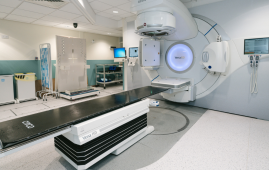 Low-Dose Radiation Therapy Shows Promise in Early Knee OA
Key Points Low-dose radiation therapy was.
 Oral Hormone Replacement Therapy Raises Blood Clot Risk
Key Points Oral hormone replacement therapy.
 GLP-1 Health Information: Quality, Completeness, & Engagement
Key Points A study assessed 128.
Leave a Comment