
Study: Use of Acid-Suppression Therapy and Odds of Migraine and Severe Headache in the National Health and Nutrition Examination Survey

Individuals who utilize acid-reducing drugs may find themselves at an elevated susceptibility to migraines and other severe forms of headaches compared to those who abstain from such pharmaceuticals. This revelation stems from a study featured in the April 24, 2024, online edition of Neurology® Clinical Practice, an esteemed publication affiliated with the American Academy of Neurology. Notable acid-reducing agents encompass proton pump inhibitors like omeprazole and esomeprazole, histamine H2-receptor antagonists (H2 blockers) such as cimetidine and famotidine, as well as antacid supplements. It is imperative to note that the study does not definitively establish a causal link between acid-reducing drugs and migraine; rather, it merely elucidates a correlation.
Acid reflux, characterized by the backward flow of stomach acid into the esophagus, typically manifests postprandially or during supine positioning. Individuals grappling with acid reflux may endure symptoms like heartburn and ulcerations. Prolonged and recurrent instances of acid reflux may culminate in the development of gastroesophageal reflux disease (GERD), a condition associated with an augmented risk of esophageal malignancy.
“Given the wide usage of acid-reducing drugs and these potential implications with migraine, these results warrant further investigation. These drugs are often considered to be overprescribed, and new research has shown other risks tied to long-term use of proton pump inhibitors, such as an increased risk of dementia.”- Margaret Slavin, PhD, RDN, study author of the University of Maryland in College Park
In this investigation, scholars analyzed data pertaining to 11,818 individuals who furnished details regarding their utilization of acid-reducing medications and their experience with migraines or severe headaches within the preceding three months.
Of the total cohort, 25% of individuals utilizing proton pump inhibitors reported instances of migraine or severe headache, contrasting with 19% of those abstaining from said medications. Similarly, 25% of subjects using H2 blockers exhibited severe headache symptoms, as opposed to 20% of their counterparts who refrained from such treatment. Moreover, 22% of participants consuming antacid supplements suffered from severe headache, in contrast to 20% of those who did not partake in antacid therapy.

 Brain-Computer Interface Uses EEG in Unresponsive Patients
Key findings at a glance Mind-controlled.
 Gamma Oscillations Restored in Alzheimer’s Disease Mice
Key takeaways Researchers restored parvalbumin (PV).
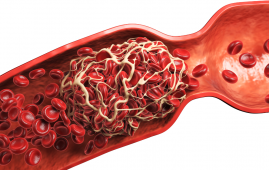 Coffee Consumption Linked to Lower Recurrent VTE Risk
Key points at a glance Study.
 Body Roundness Index Linked to Higher Heart Attack Risk
Key findings at a glance Study.
 Maternal Diet Fails to Reduce Infant Egg and Peanut Allergy
Key Points A large Australian randomized.
 Visual Impairment Linked to Higher Dementia Risk
Key findings at a glance A.
 Long-Acting HIV Treatment May Help Drug-Resistant Cases
Key Takeaways A UCSF study found.
 Night Shift Work Alters Key Circadian Gene Expression
A recent study published in Frontiers.
 Tirzepatide Weight Loss: Fat Mass and Muscle Findings
Key points Tirzepatide was associated with.
 Coffee and Gut Microbiome: Brewing and Metabolic Effects
Key Points Coffee contains caffeine, chlorogenic.
Leave a Comment