Simvastatin as Add-On Treatment to Escitalopram in Patients With Major Depression and Obesity: A Randomized Clinical Trial

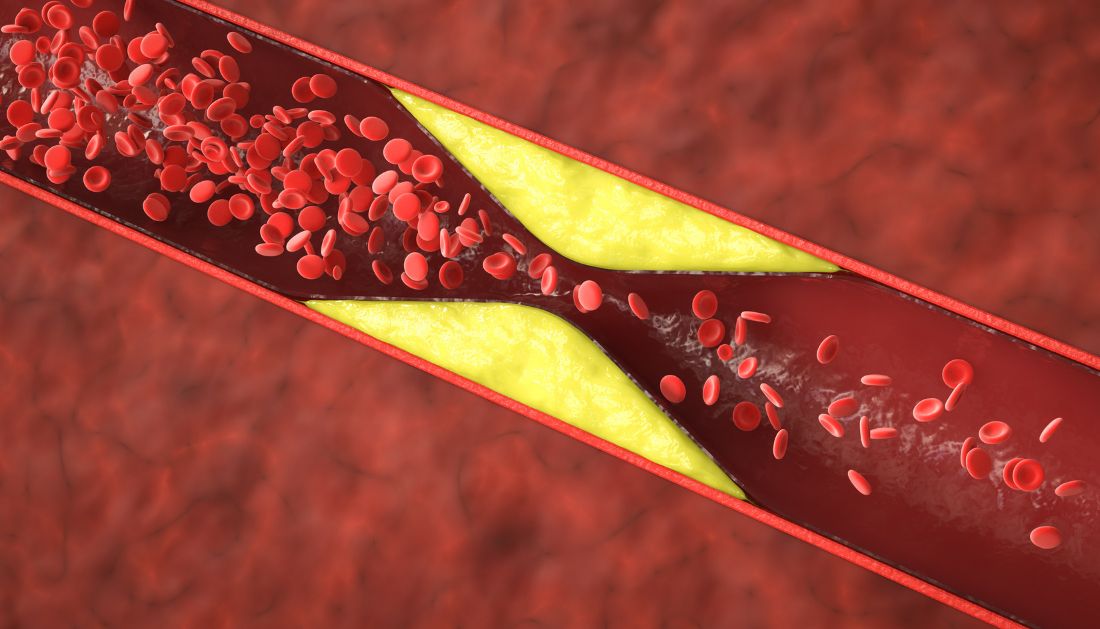
Statins are widely prescribed cholesterol-lowering medications that reduce the risk of heart attacks, strokes, and other cardiovascular diseases. These drugs work by lowering cholesterol production in the liver and have known anti-inflammatory effects. Because of this, some smaller studies suggested that statins might also help treat depression, especially in patients with obesity, a group at higher risk for both conditions.
To investigate this possible link, researchers at Charité – Universitätsmedizin Berlin conducted a large, randomized, double-blind study. The team, led by Prof. Christian Otte, examined whether statins could provide additional benefits for patients with depression.
In the 12-week study, 161 patients who had both obesity and moderate-to-severe depression were treated with the antidepressant escitalopram. Half of the group also received simvastatin, a commonly used statin, while the other half received a placebo.
Both groups showed improvement in depressive symptoms over the 12 weeks. However, the researchers found no significant difference in depression outcomes between those taking statins and those receiving a placebo. While statin users did see expected improvements in cholesterol levels and a reduction in inflammation markers like C-reactive protein (CRP), these changes did not translate into better mental health outcomes.
“We saw no indication that statins offered an additional antidepressive benefit,” said Dr. Woo Ri Chae, co-lead author of the study. The researchers concluded that while statins effectively manage cardiovascular risk, they should not be used to treat depression.
Despite promising theories, the evidence now suggests that statins should remain strictly within their approved use—to lower cholesterol and reduce cardiovascular risk. For those managing depression, traditional antidepressants remain the most effective treatment.
Healthcare professionals should continue to follow standard treatment guidelines and avoid prescribing statins for mental health benefits. The research team is currently analyzing blood samples on a cellular level for deeper insights and is working on improved treatment strategies for patients with both depression and chronic physical illnesses.

 Brain-Computer Interface Uses EEG in Unresponsive Patients
Key findings at a glance Mind-controlled.
 Gamma Oscillations Restored in Alzheimer’s Disease Mice
Key takeaways Researchers restored parvalbumin (PV).
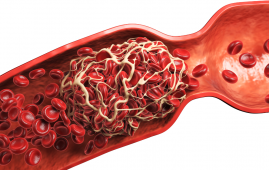 Coffee Consumption Linked to Lower Recurrent VTE Risk
Key points at a glance Study.
 Body Roundness Index Linked to Higher Heart Attack Risk
Key findings at a glance Study.
 Maternal Diet Fails to Reduce Infant Egg and Peanut Allergy
Key Points A large Australian randomized.
 Visual Impairment Linked to Higher Dementia Risk
Key findings at a glance A.
 Long-Acting HIV Treatment May Help Drug-Resistant Cases
Key Takeaways A UCSF study found.
 Night Shift Work Alters Key Circadian Gene Expression
A recent study published in Frontiers.
 Tirzepatide Weight Loss: Fat Mass and Muscle Findings
Key points Tirzepatide was associated with.
 Coffee and Gut Microbiome: Brewing and Metabolic Effects
Key Points Coffee contains caffeine, chlorogenic.
Leave a Comment